
The talks come as the Canadian government rolls out a new automotive strategy designed to protect domestic production and attract new investment.

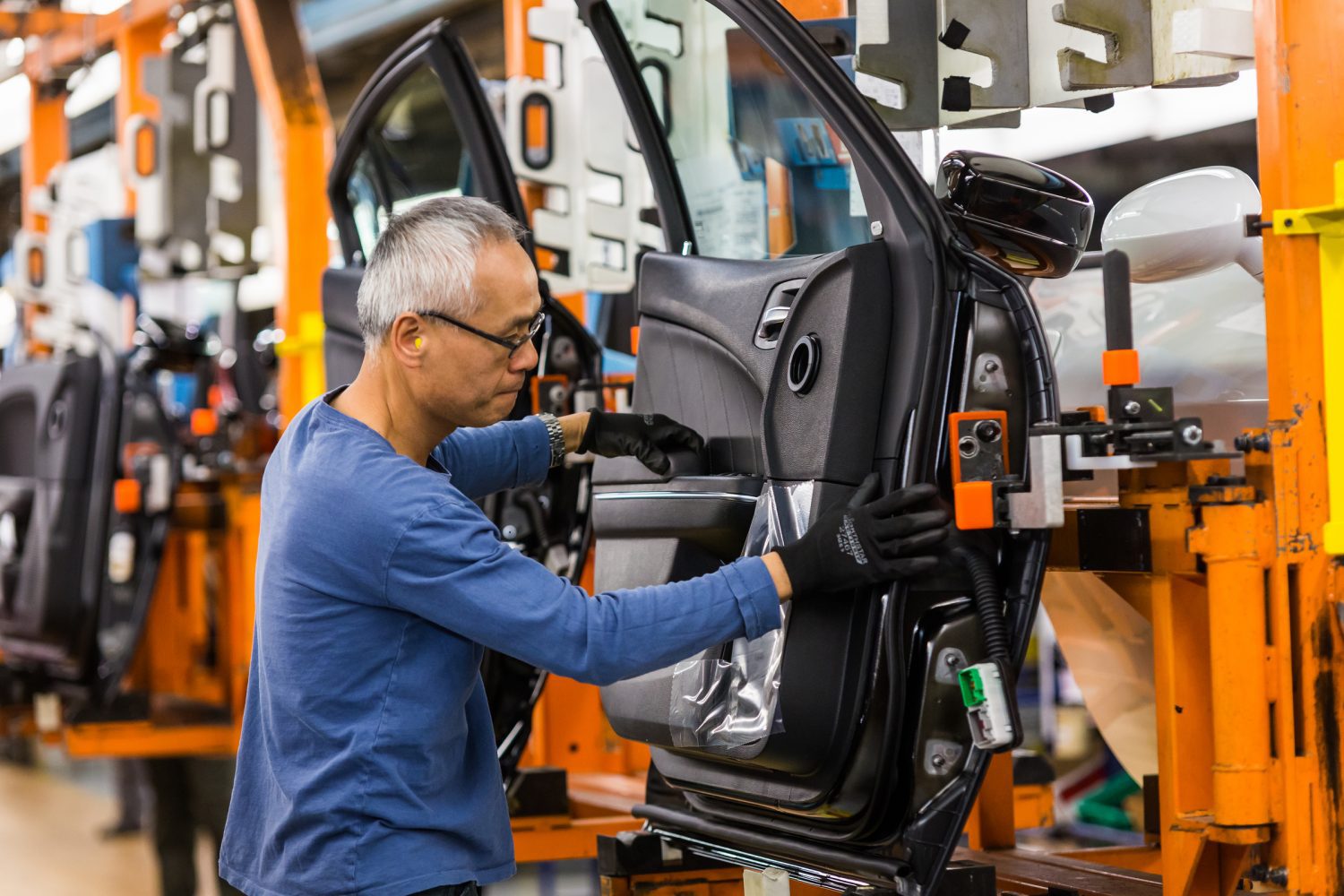
Image source | Stellantis Media
On the Dash:
Stellantis is negotiating with the Canadian government to restart production at its idled Brampton plant.
The automaker moved Jeep Compass production to Illinois as part of a $13 billion U.S. investment plan.
Canada’s new auto strategy could determine the plant’s long-term future.
Stellantis is working to restart vehicle production at its idled Brampton Assembly Plant in Ontario as it negotiates with the Canadian government and labor leaders over tariffs and future investment plans.
Speaking Thursday at the Canadian International AutoShow in Toronto, Stellantis Canada CEO Trevor Longley said the automaker wants to find a sustainable path forward for the Brampton facility after shifting Jeep Compass production to the United States. The plant currently sits idle, affecting approximately 3,000 Canadian workers.
The production move, announced in October, is part of Stellantis’ broader $13 billion investment strategy to strengthen its U.S. operations and mitigate tariff exposure. Compass production was relocated to Illinois, prompting backlash from Canadian officials.
Following the shift, Prime Minister Mark Carney’s government reduced the number of U.S.-made vehicles Stellantis can import into Canada without facing counter-tariffs. Those retaliatory levies were initially imposed in response to U.S. trade actions but include exemptions for automakers that continue to produce and invest in Canada.
Stellantis is now engaged in discussions with the federal government and Unifor, the union representing Brampton workers, to address tariff pressures and evaluate potential new product allocations for the plant. Longley indicated the company is still reviewing future production options.
Industry Minister Melanie Joly has threatened legal action over the production transfer and pledged to recover public funds previously granted to Stellantis as financial support.
The talks come as the Canadian government rolls out a new national automotive strategy designed to protect domestic production and attract new investment. The plan proposes changes to the tariff remission program that would allow automakers that build vehicles in Canada to earn import credits. Those credits could be used to bring U.S.-built vehicles into Canada tariff-free or traded with other companies.
Stellantis said additional clarity is needed to fully assess the proposal, but signaled support for measures that strengthen Canadian auto manufacturing competitiveness. The executive also raised concerns about Canada’s agreement with China to allow 49,000 electric vehicles into the country at a reduced 6.1% tariff, questioning whether domestic manufacturers are competing on equal footing.