
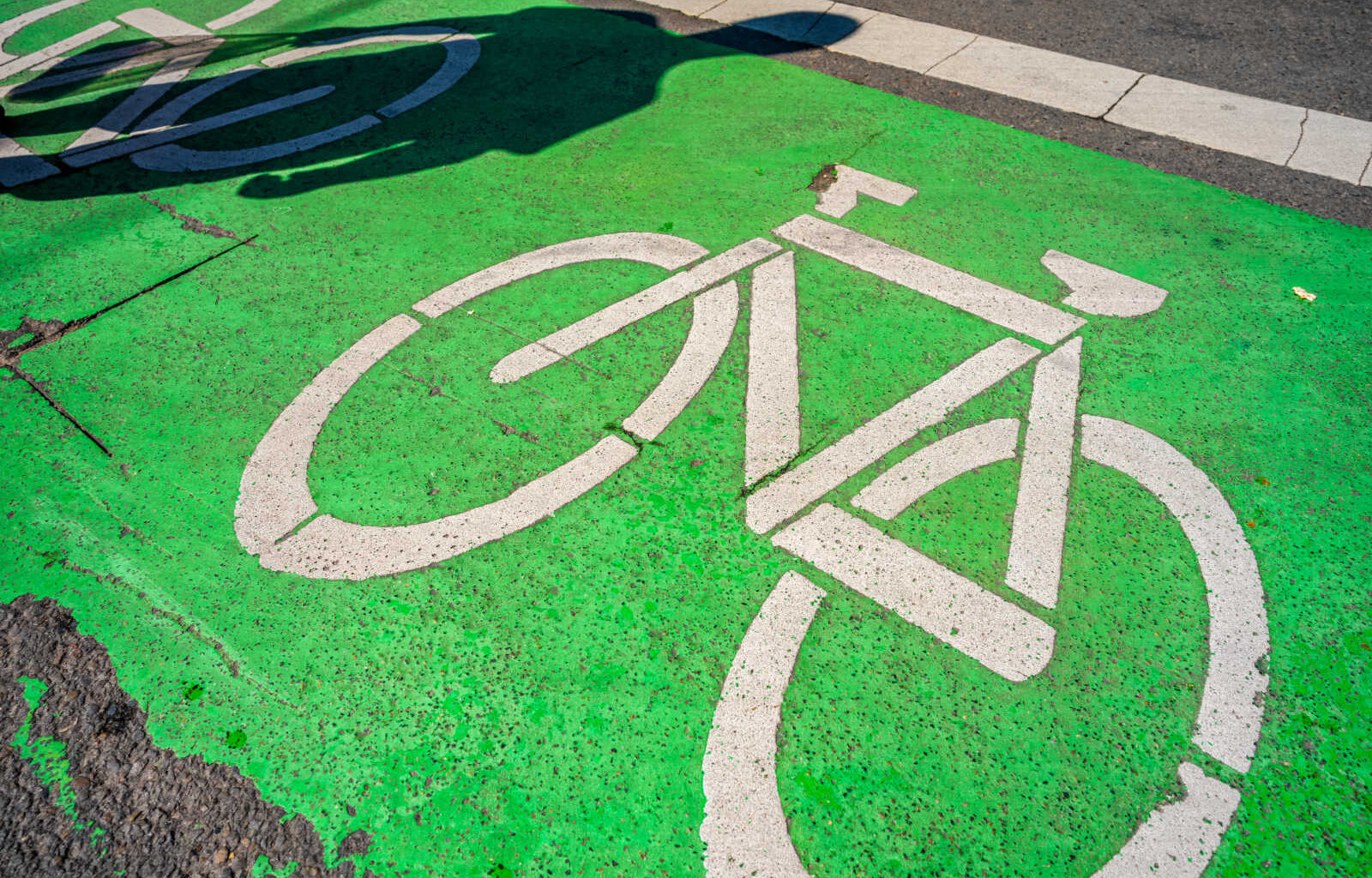
Would you look at that? Edmonton has emerged as the country’s most aggressive builder of cycling infrastructure, outpacing every major Canadian city over the past two years, according to a new academic study cited by the Edmonton Journal. It’s good news–especially given the state of affairs elsewhere in this country.
Edmonton’s Alberta Velodrome officially opens
While Edmonton accelerates construction other cities are slowing or reconsidering projects. Winnipeg, Halifax and Charlottetown recorded declines in protected lanes. In Ontario, proposed removals of popular and major Toronto bike lanes sparked a never-ending court battle. There was even a Charter challenge. It happened after the provincial government moved to assert greater control over municipal road decisions. A judge sided with cycling advocates, ruling that dismantling the lanes would jeopardize rider safety.
Doug Ford vows to fight bike lanes and build a giant car tunnel
Legal wrangling continues in Ontario… and it may be months before there’s a decision. And while that decision lags, bike lane growth has slowed. Then there’s Montreal, where a new administration may undo much of the work done by the previous one when it comes to cycling infrastructure.
And in Alberta, debate has intensified. Provincial officials have questioned whether bike lanes should replace vehicle lanes, while local cycling advocates argue if done right, they can limit impacts on traffic and parking.
Researchers found the city added 517 km of bike infrastructure between 2022 and 2024. That’s more than double the 245 km built in Calgary and well ahead of the 140 km added in Toronto. The analysis was led by Meghan Winters of Simon Fraser University and published in the Canadian Journal of Public Health.
Routes were weighted by comfort and safety. That means that protected, bike-only paths counted more heavily than painted on-road lanes. (As we know, paint ain’t infrastructure.)
Across Canada, cycling networks expanded by 3,596 km during the study window. Multi-use trails made up the bulk of that growth. They increased by 76 per cent. Even so, Winters noted that infrastructure gains are not evenly distributed. Neighbourhoods with higher proportions of children and seniors often have fewer cycling options.
City data suggest demand is rising. Automated counters show warm-weather cycling trips climbing sharply, with peak summer months reaching roughly 110,000 recorded crossings. Colder months remain steady, though combined fall and winter usage has grown markedly since 2022.
The takeaway: in Edmonton, expanded infrastructure appears to be translating into more people riding — even as the politics of bike lanes grow more charged nationwide.