
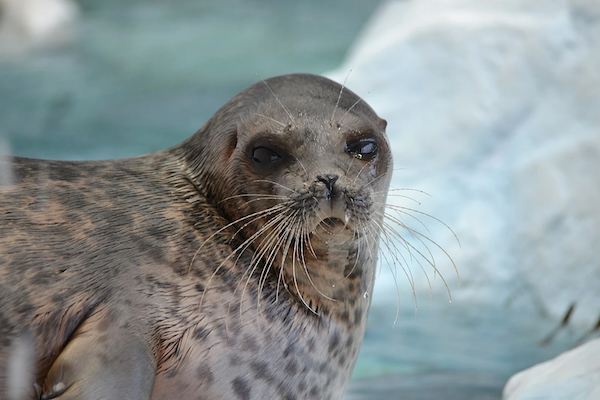
The study, published in Environmental Research, analyzed blood, blubber and liver samples from 38 Arctic ringed seals in Labrador’s Saglek Bay and adjacent fjords from 2009 to 2011. Saglek Bay is a known hotspot for polychlorinated biphenyls (PCBs), contamination left over from a Cold War-era military radar station.
Researchers also measured mercury, DDTs (synthetic insecticides), and chlordane, used in an old termite pesticide.
Liver samples showed consistently high levels of PCBs, mercury, DDTs and chlordane across all three years. These long‑lasting contaminants, several of which are banned internationally, are known to cause oxidative stress, a form of cellular damage linked to inflammation, chronic disease, tissue injury and reduced reproductive health.
Researchers also found that blood and blubber samples taken in 2010, an abnormally warm year with low Arctic sea ice, showed signs of malnutrition including a thinner blubber layer and depleted fatty acids.
“We saw that just one year of unusually warm temperatures and reduced ice is enough to change what these seals are eating and how their bodies process nutrients,” says Anaïs Remili, postdoctoral fellow and lead author of the study.