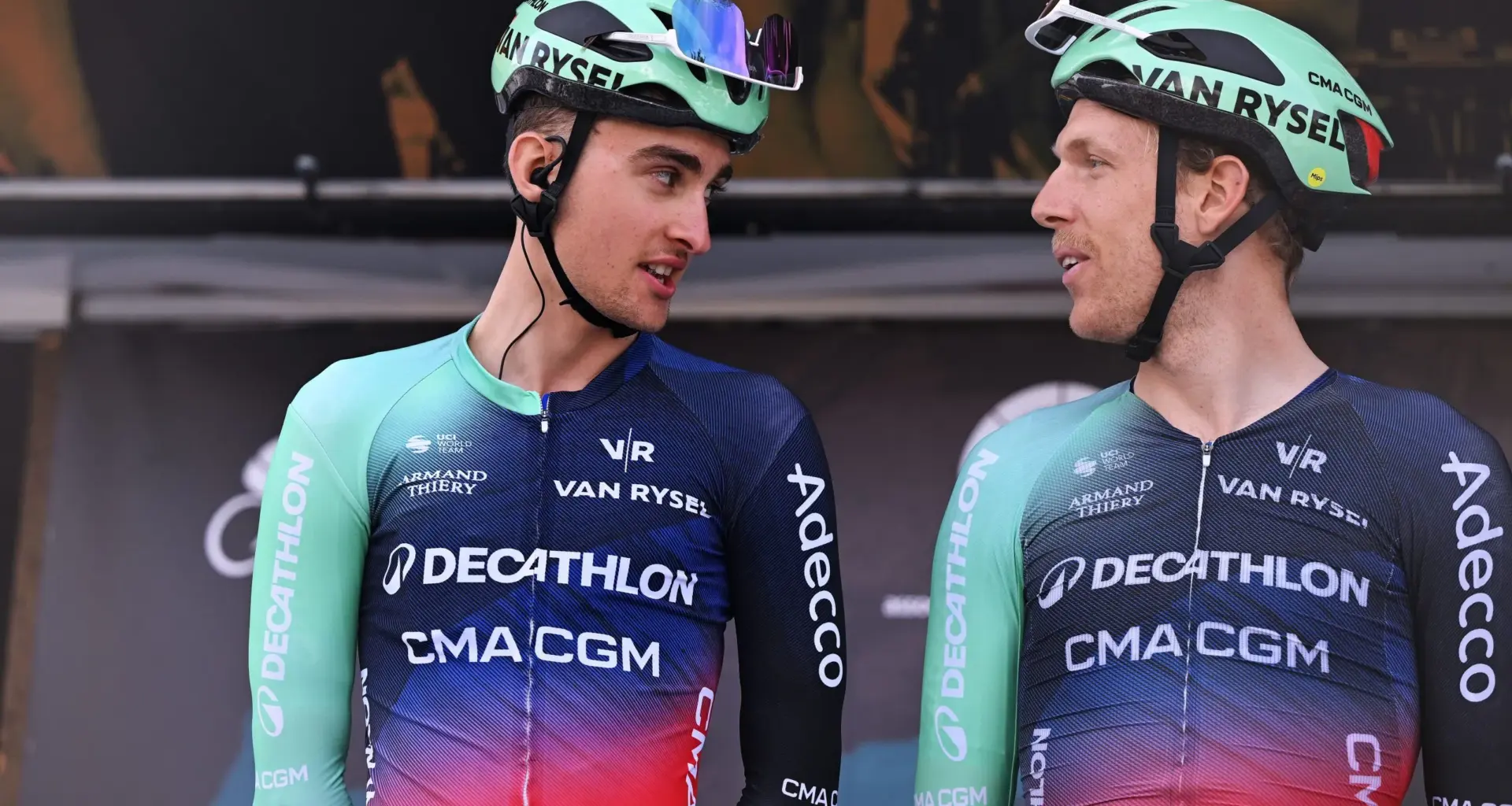
In professional cycling, the superteam handle has been gifted to several teams in recent years, among them UAE Team Emirates XRG, Red Bull-Bora-Hansgrohe, Visma-Lease a Bike and Ineos Grenadiers – teams that boast star-studded lineups filled with stage-winning potential, GC big guns and a staff room packed with the cycling’s brightest boffins.
Reaching such status isn’t easy, yet a certain French team seems to be nearing that rarified air. Over the past two seasons, Decathlon-CMA CGM have found themselves inside the top ten of the UCI rankings, with a real boost in both performance and results. In 2024, they secured their first Grand Tour podium finish since 2017, and the team have managed to triple their year-end victory tallies between 2024 and 2025 when compared to the five years prior.
That can be attributed to a handful of things: a restructuring of the roster, a wealth of young talent from the development system and, of course, improved finances. In an age where reaching the sport’s top strata seems increasingly unattainable, with required budgets creeping above €50 million, Decathlon-CMA CGM seem to have ticked all the boxes for an emerging superteam. Some work is still to be done, but 2026 seems like the year we start to mention the French team alongside those of Tadej Pogačar, Jonas Vingegaard and Remco Evenepoel.

Bolstered GC leadership
 Dario Belingheri/Getty Images
GC results provide some of the biggest returns on investment in pro cycling. The four superteams we’ve already mentioned have all won Grand Tours in recent years, enjoying the extra exposure, UCI points and financial security that come with it.
After the loss of both Romain Bardet and Ben O’Connor over the past five years, Decathlon-CMA CGM have had to rethink their GC strategy. However, after some years of rebuilding, it seems as though the team is in its healthiest GC state for some time.
Felix Gall is the most proven GC leader in the team now, having finished inside the top five at last year’s Tour de France. The Austrian will be bidding for another top five result at this year’s Giro d’Italia, and he has a real chance of getting the job done. Although he’s a long way away from being a Tour de France podium contender, he’s a reliable rider who could score podium finishes in stage races and lesser-contested Grand Tours.
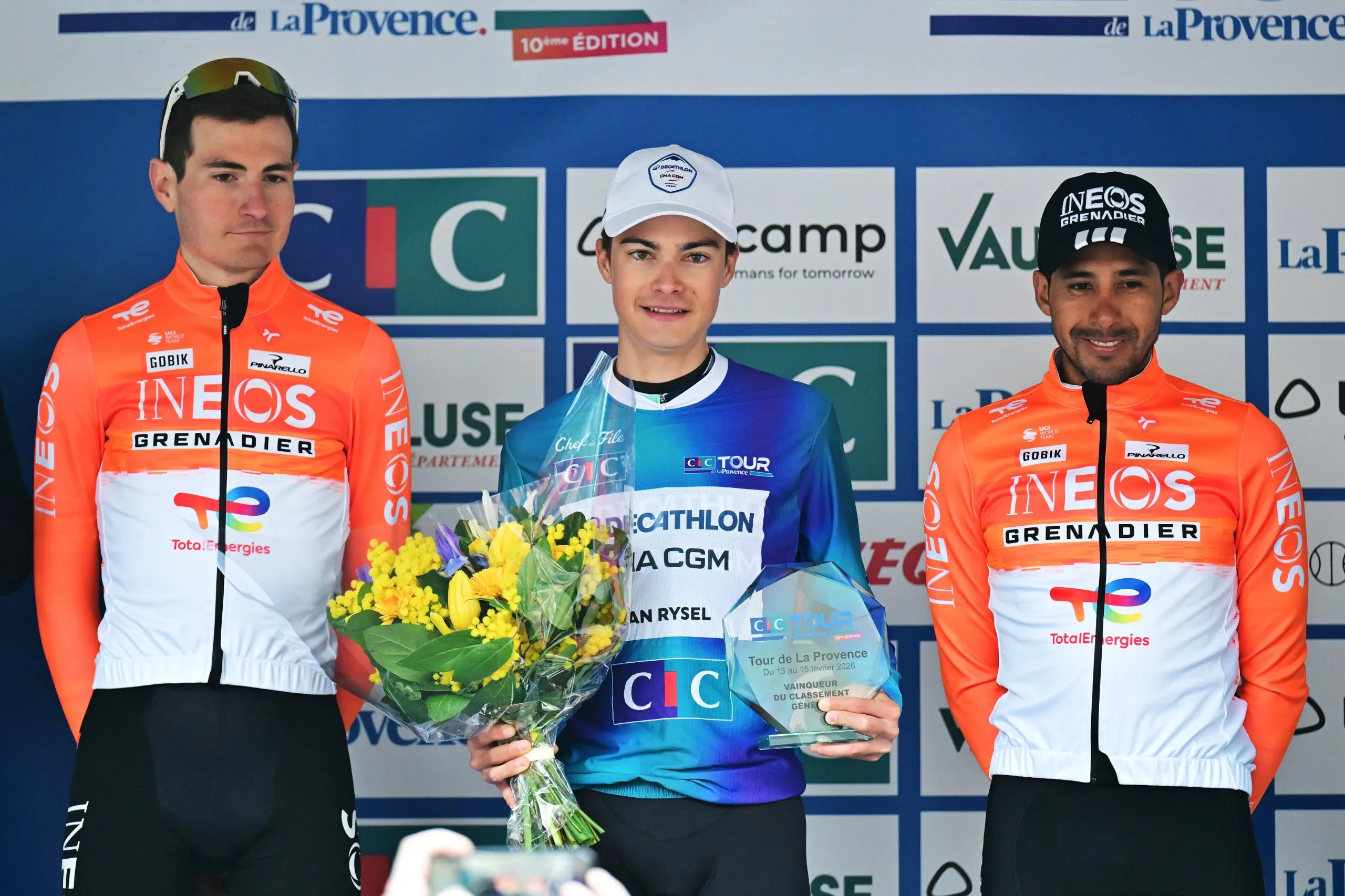
The team’s latest GC signing Matthew Riccitello adds another string to the team’s stage racing bow. An impressive showing at the 2023 Tour de l’Avenir – won by Isaac del Toro – saw the American first announce himself, and he left an even bigger impression at last year’s Vuelta a España, where he picked up a fifth place overall and the white jersey. After his move from Israel-Premier Tech, the American has already hit the ground running at Decathlon in 2026 with a GC win on his team debut at the Tour de la Provence, beating Ineos’s well-proven Carlos Rodríguez in the process. Like Gall, Riccitello is more of a thoroughbred climber, but his climbing legs are good enough to secure stage race podiums and future top ten bids at Grand Tours. At the age of just 23, his best years are yet to come.
The team boast a modest set of support riders. Aurélien Paret-Peintre has slipped from leader to loyal domestique, with Giro stage winner Nicolas Prodhomme and future stars Léo Bisiaux and Johannes Staune-Mittet providing further domestique options. While it’s not quite on the level of UAE or Visma, Decathlon have clearly improved their climbing strength. That much was evident at last year’s Tour de France, when the team supported Gall in his flight up the top ten during the final Alpine stages of the race. Now that they host several leaders in their own right, the next step is for the team to combine their forces to create a UAE-esque mountain train.
The star of tomorrow
 Xavier Pereyron
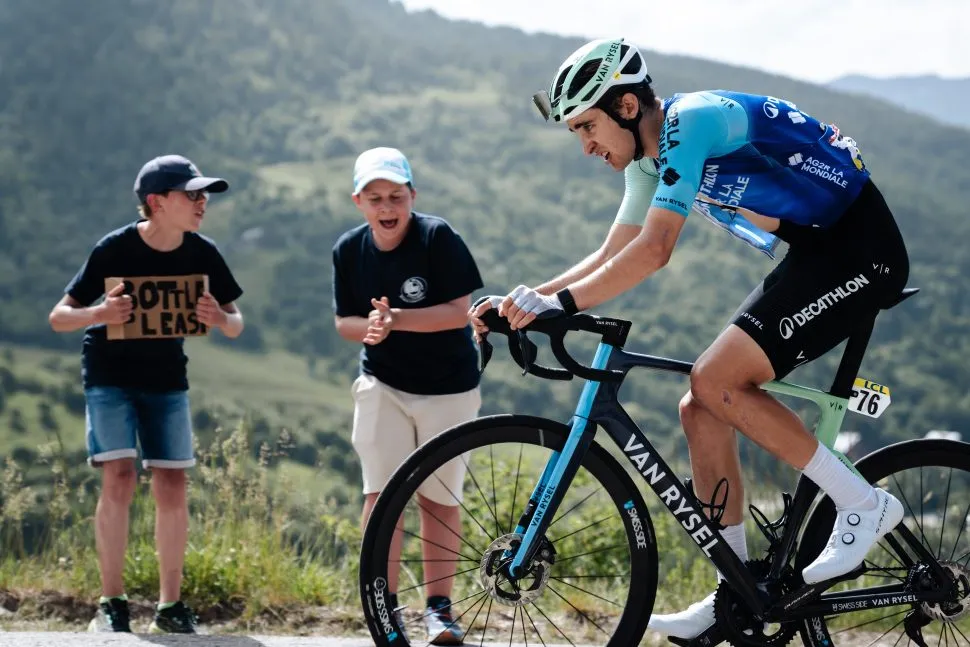
The team have a real ace up their sleeves in Paul Seixas. The Frenchman enjoyed a breakout year in 2025 despite being the youngest rider in the WorldTour. At the Dauphiné he became the youngest rider since the Second World War to score a top ten finish at a WorldTour stage race. He went on to win a bronze medal for France at the European Championships later in the season before a hard-fought top ten finish at Il Lombardia, his first Monument.
In 2026, the 19-year-old will race a more rigorous programme, which started in glittering fashion at the Volta ao Algarve this week, where he defeated legitimate Grand Tour contenders Juan Ayuso, João Almeida and Oscar Onley on the first summit finish. From there, he will head to a string of WorldTour races and Classics, though a Grand Tour start is still unconfirmed for the Frenchman. While this season might come too early in his career to see his talent translate to big GC results, many expect the Seixas to follow a similar trajectory to Pogačar, who reached his first Grand Tour podium just before his 20th birthday.
France is hungry for their next Grand Tour winner, and Seixas looks the most promising candidate for that mantle in decades. The team are aware of this, with talk last year centred on a five-year plan to win the Tour de France with the Lyonnais rider. Last July, team CEO Dominique Seriyes said the team ‘want to prepare for a great future with Seixas for 2028 or 2030’. He also affirmed that the team ‘will sign more big talents and raise the budget’.
Sprinter recruitment
 Con Chronis/Getty Images
In the pursuit of superteam status, Decathlon-CMA CGM have been desperately trying to improve in the domain of sprinting. This was well documented in the third and final series of Tour de France: Unchained, in which Dominique Seriyes outlined the need to win sprints and internationalise their setup.
After some experiments with Sam Bennett, the team have swapped the Irishman for young Dutch sprinter Olav Kooij. A proven force in the fast finishes, Kooij has picked up three Giro stages during his career. Kooij was often underutilised during his time at Visma, despite being one of the top five sprinters in the peloton. He would often find himself sidelined in favour of the GC ambitions of Vingegaard, which kept him away from the Tour de France for several years. This year though, he’s finally set to make his Tour debut, and has a real chance of picking up a stage win or two.
Decathlon have recruited an A-list leadout train during the winter to support him. This includes Cees Bol, former leadout man for Mark Cavendish and a Paris-Nice stage winner, former key Visma cog Ties Benoot, and Daan Hoole, a former lieutenant for Jonathan Milan and Mads Pedersen at Lidl-Trek. With this leadout, the team offers one of the strongest sprint cores on paper in the WorldTour. In an age where sprint trains have reduced in size and quality, Decathlon-CMA CGM’s squad could prove lethal in the final 10km of a flat stage. We’ve already had early indications of this at the Tour Down Under and the UAE Tour too.
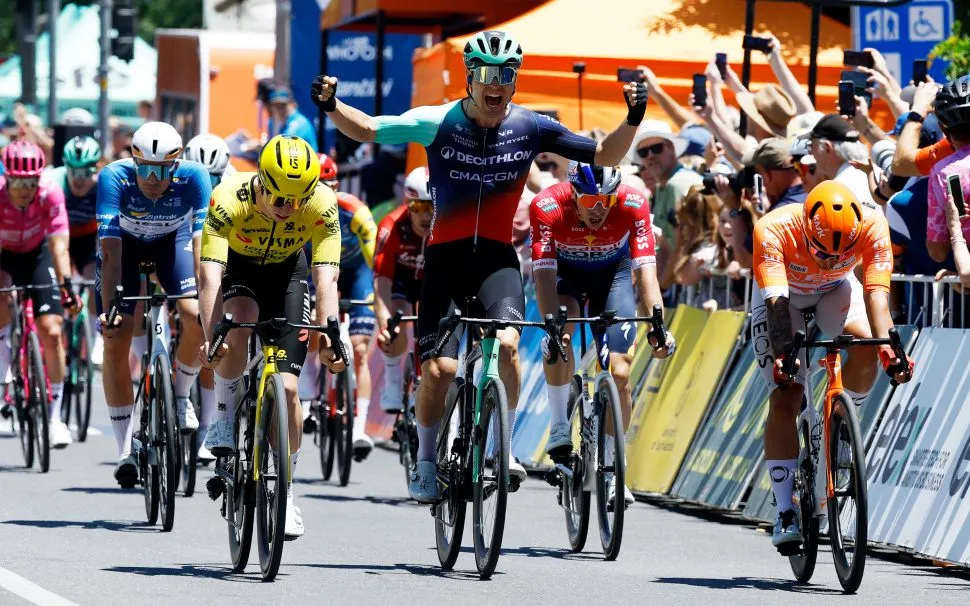
It’s not just down to Kooij either. Tobias Lund Andresen, a transfer from the stagnating Picnic-PostNL, has already got his 2026 season off to a flying start in Australia. The Dane, who is just 23 of age, picked up his first WorldTour stage at the Tour Down Under, then backed it up by winning the Cadel Evans Great Ocean Road Race. Given his young age, we can expect him to rise up the sprinting ranks and provide a strong secondary option for the team when Kooij is out of service.
Bolstered staff
 Tim de Waele/Getty Images
In recent years, commentators and analysts have focussed increasing attention on the staff behind the big pro teams. In the case of Visma-Lease a Bike in the early 2020s and Team Sky in the 2010s, these players made a huge difference as they brought a new philosophy to the team. Remember, it’s the staff who direct the riders and dictate the team tactics ahead of a day’s racing.
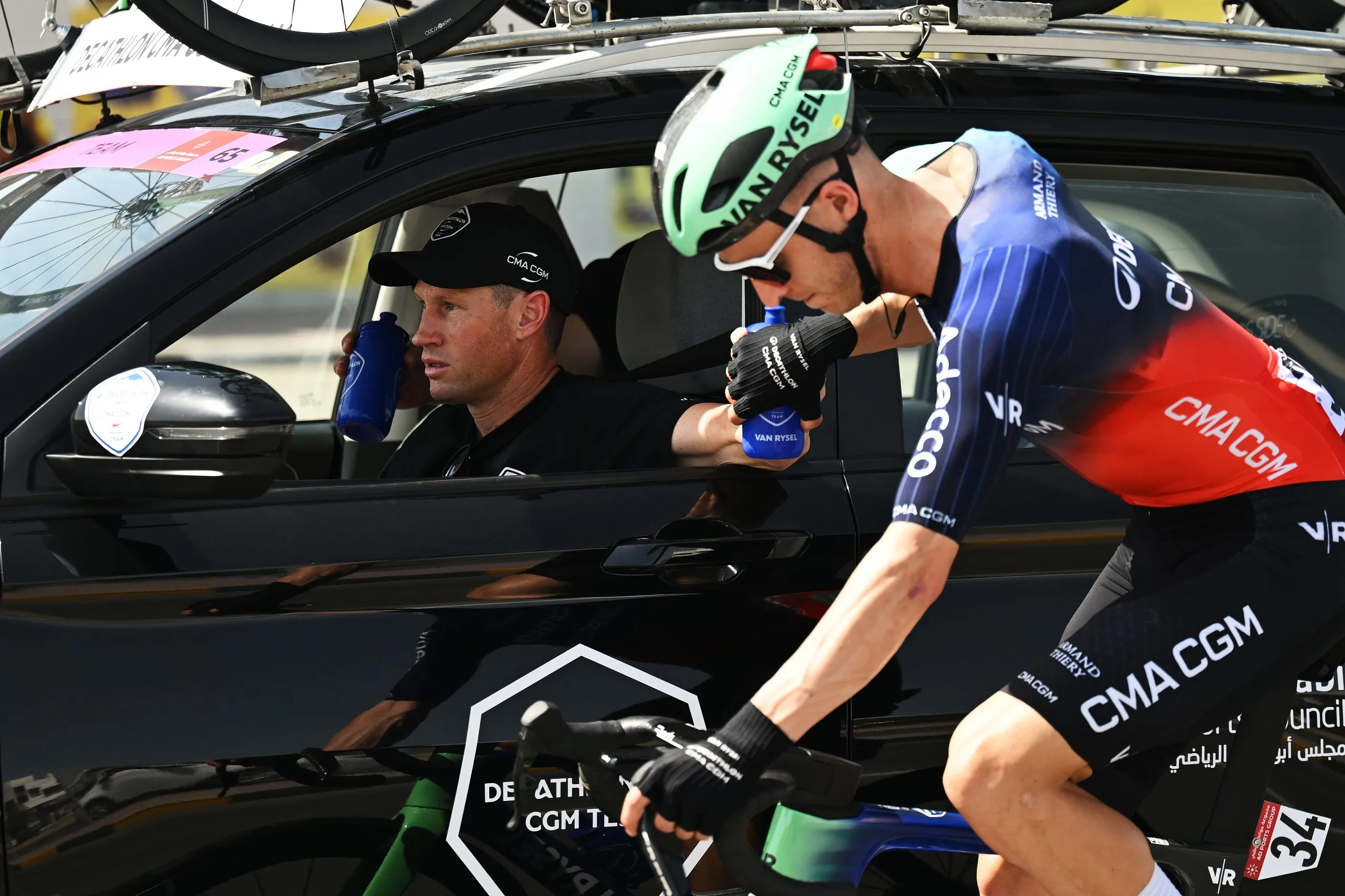
Alongside the bulk-up in sprint support on the road, Decathlon’s staff room has been bolstered by some big names in the sprinting world. Mark Renshaw comes on board after spending several years as part of Cavendish’s XDS-Astana project. The Australian was the world’s best leadout man in his day, and by the look of it, he seems to be one of the most effective sprint coaches, having propelled several B-list sprinters to top success at Astana.
Similarly, Heinrich Haussler enters the ring. A Grand Tour stage winner during his racing career, the Australian is a competent sprinter and Classics rider. Often he overperformed in races, which translated to the staff room once he joined Bahrain Victorious post-retirement. Between them, Renshaw and Haussler have already pioneered the team to some sprinting success in Australia.
In the GC realm, Luke Roberts is another name to have jumped on board this year. Another Australian, Roberts worked as a sports director at Picnic-PostNL in their glory years, helping to steer the likes of Tom Dumoulin and Jai Hindley to Grand Tour podiums. The 49-year-old was one of the most well regarded staff members during that time, so his experience should come in handy in supporting young riders like Riccitello and Seixas.
The money bags
 Van Rysel
It’s no secret that to reach superteam status, you need big cash. According to reports from the Italian press, UAE Team Emirates XRG work with a budget of around €60 million. Red Bull-Bora-Hansgrohe are said to have expenses of up to €50 million, with Visma and Ineos close behind, near the €40 million mark.
Deacthlon-CMA CGM’s budget has already increased significantly since the French retailing giant came on board. With the addition of CMA CGM as a co-sponsor, the team’s budget reportedly rose by €10 million during the off-season, taking the squad’s budget to a total of €40 million. If this is true, this boost elevates Seixas’s team into the top five wealthiest WorldTour teams.
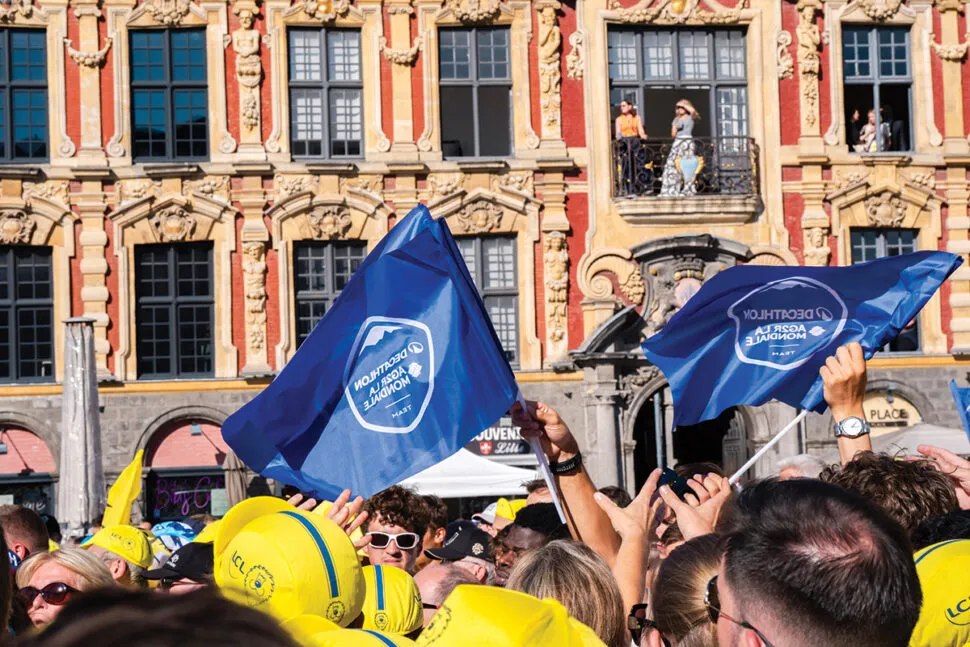
And the team’s backers undeniably have the resources to potentially allow even more to be spent. French sport retailer Decathlon’s presence is worldwide, with yearly profits of around €800 million. Given the brand wants to push its in-house Van Rysel bikes and clothing range, it’s important to get the exposure that comes with a top WorldTour team. Just look at Colnago, the bike supplier of UAE, which has been given a shot in the arm profit-wise from its association with Pogačar, with reports suggesting a tripling in turnover since the Slovenian’s first Tour victory in 2020.
As for CMA CGM, the team’s new co-sponsor, the Marseille-based firm also has bucketloads of cash. A shipping and logistics company with a presence in the French media, the company boasts yearly revenue in the billions. CMA GCM are moving into sports marketing more often now as well, having acted as the shirt sponsor for French football team Olympique de Marseille. As sponsors go, the pair aren’t short of cash, so we could expect the team to expect some further cash injections in the years to come, especially if there’s a chance of producing France’s next yellow jersey winner.
A hopeful future
 Xavier Pereyron
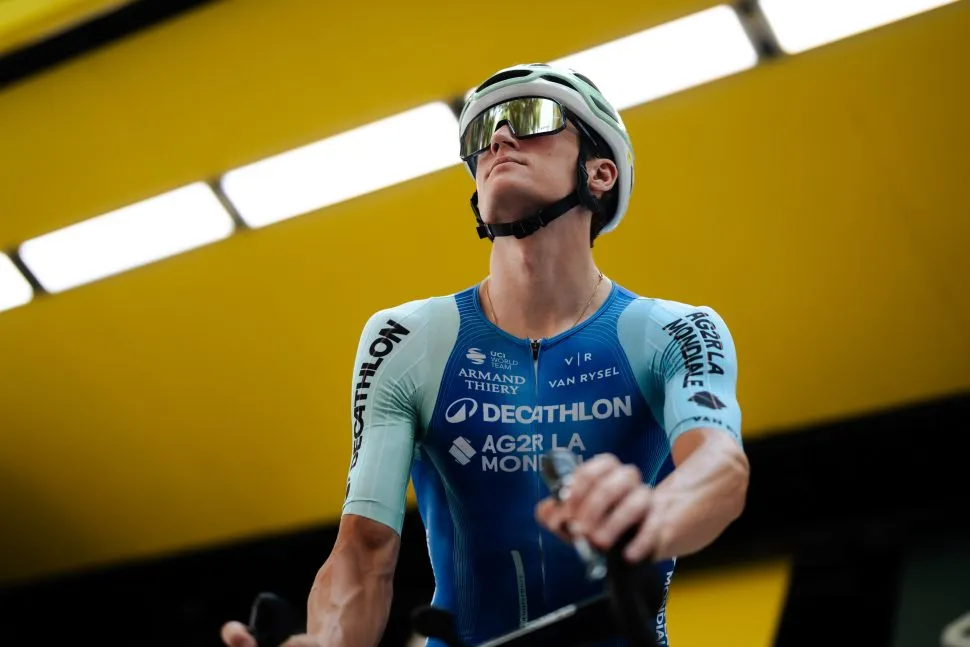
It might seem outlandish to call Decathlon-CMA CGM a superteam currently, but it seems clear that that is the target the team is aiming for.
Decathlon seem to be following a similar narrative to that of UAE Team Emirates XRG during the late 2010s and early 2020s, when they started to sign up young talent and marquee riders outside of their usual Italian talent pool. Just like UAE, Decathlon are well underway in internationalising and welcoming riders and staff from across the globe. This boost in personnel has translated into real results, which should pave the way for another top five finish in the UCI rankings.
Alongside this globalisation and change of results fortune, big bucks will propel Decathlon-CMA CGM towards the level of UAE Team Emirates XRG and Red Bull-Bora-Hansgrohe. In the traditional cycling market of France, the squad’s improving fortunes make for a strong narrative to lure in future investors.
If they were to win the Tour de France with Seixas, the team’s momentum could become formidable. As we saw with UAE following Pogačar’s first Tour triumph, success in cycling’s biggest race brings with it the status and cash to bring in top-class support riders. As such, if Seixas were to become the first Frenchman to win the Tour since Bernard Hinault in 1985, it could be the final piece of the puzzle that cements Decathlon-CMA CGM’s superteam status.
What do you think?
 Loading …