
Want a more youthful complexion? The answer could be to eat two kiwifruits a day, according to scientists at the University of Otago, who recently reported that this simple dietary addition could lead to healthier skin. Results of their study in the Journal of Investigative Dermatology showed that vitamin C circulating in the bloodstream after Kiwi fruit are consumed reaches every layer of the skin, including the outer epidermal layer, boosting collagen production and skin renewal for thicker, healthier skin.
“We are the first to demonstrate that vitamin C in the blood circulation penetrates all layers of the skin and is associated with improved skin function,” says Prof Margreet Vissers of Otago’s Department of Pathology and Molecular Medicine.
We need a regular supply of vitamin C in the diet because the body can’t make its own. In addition to its skin health benefits, the vitamin plays an important role in supporting the immune system, helping the body absorb iron from foods such as leafy green vegetables and red meat, maintaining healthy blood vessels, and aiding wound healing.
But it is also essential for the production of collagen, the structural protein that maintains plumpness and elasticity of the skin. And Kiwi fruit makes up for their small size by delivering over 60mg of the antioxidant vitamin per egg-shaped fruit, more than adults need to stay healthy on a daily basis. In fact, a kiwi fruit provides nearly twice as much vitamin C per 100g as an orange.
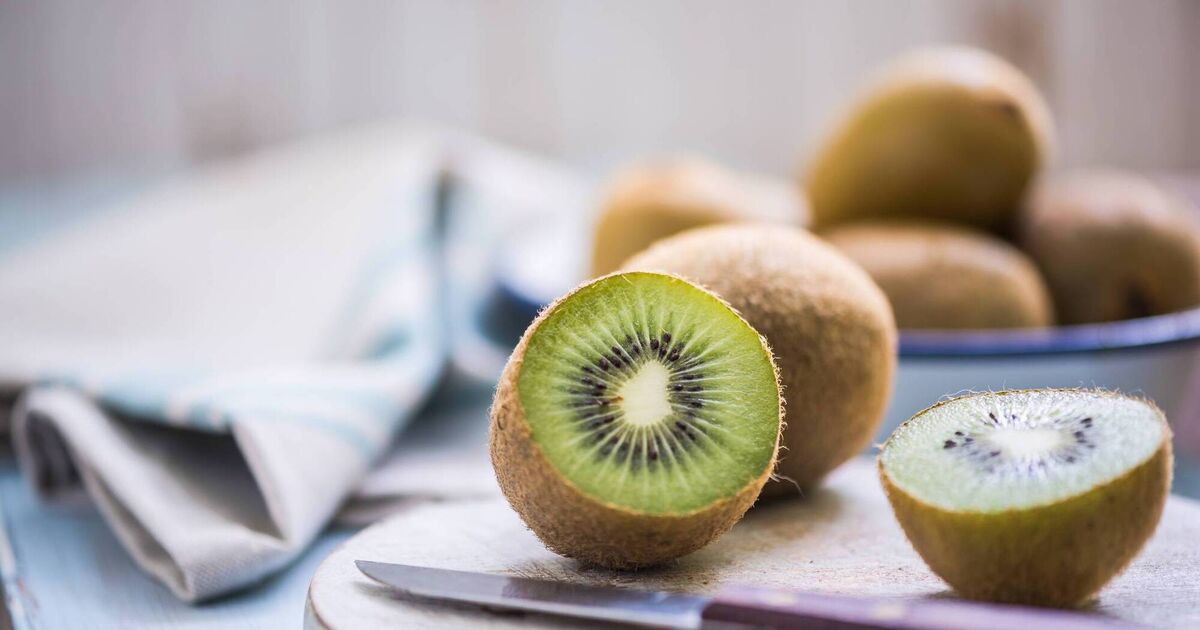
 Pairing kiwi fruit with dark chocolate as a snack an hour before bed can help you drop off quickly. Picture: iStock
Beyond skin health, the furry green fruit brings other benefits. A source of antioxidants, which protect cells from damage, vitamin E and K, fibre phytochemicals and natural enzymes, they can improve everything from our digestion to our sleep, with most studies showing that just two Kiwifruit a day is enough to make a difference.
“Kiwi fruit is not only delicious but it is also a simple addition to your daily fruit intake that can play a role in sleep, digestion and general health,” says Aoife Quinn, a registered dietitian at Orla Walsh Nutrition. “They are rich in vitamin C (often more than your daily needs), fibre, potassium, and antioxidants – all of which support immune health, digestion, heart health, and overall wellbeing.”
Here’s how to boost your health the Kiwi way:
You will probably sleep better and for longer
“Kiwi fruit contains serotonin and antioxidants, both of which play a role in supporting healthy sleep,” says Quinn. “Some research suggests that eating kiwi in the evening may help you fall asleep faster and improve sleep quality”.
One such paper in Nutrients journal, saw scientists from the University of Limerick and Sports Ireland Institute in Dublin ask elite athletes to eat two kiwis an hour before bed and then track their sleep patterns for a month. Results showed the fruit contributed to better quality and less interrupted sleep.
“Pairing two kiwi fruits with 1-2 squares of dark chocolate as a snack 1 hour before bed is a great way to help you drop off quickly,” Quinn says. “Try it for a couple of weeks and see if it helps.”
When it comes to dietary mood-boosters, there is not much that beats the speed with which kiwi fruit consumption can make an impact. Prof Tamlin Conner of the University of Otago and colleagues reported in the British Journal of Nutrition that the green fruit produced a spike in and mood and vitality in as little as four days.
Its powers are likely down to vitamin C intake, which is known to improve mood, vitality, wellbeing whereas a deficiency is associated with higher rates of depression. Tamlin says Kiwi fruit could be a game-changer for improving mental and emotional well-being.
“It’s great for people to know that small changes in their diet, like adding kiwifruit, could make a difference in how they feel every day,” she said.
The 2-3g of soluble and insoluble fibre in each fruit helps to maintain gut and digestive health and a number clinical trials and papers show that eating one to three kiwi fruit per day reduces constipation and bloating. The presence of a natural enzyme called actinidin (also found in mango and pineapple) aids healthy digestion. Last year, a review of 75 studies showed that real relief from chronic constipation may come from foods, including kiwi fruit.
“Kiwi fruit can help relieve and prevent constipation thanks to its mix of fibre, its water-holding capacity, and a natural enzyme called actinidin, which helps keep digestion moving,” Quinn says.
If you choose the golden Kiwifruit, sold in supermarkets and grown to be consumed with the skin on, you get even more fibre. Nutritional comparisons published in the European Journal of Nutrition showed that the golden variety of Kiwi fruit contains up to 4g of fibre compared to 2-3g in the regular fruit, all of which helps maintain healthy digestion.
As a valuable source of soluble fibre, the type that binds to “bad” LDL cholesterol and other blood fats, kiwi fruit helps remove unhealthy blood fats from the body. One team of Norwegian scientists found that eating two kiwi fruits a day reduced levels of plasma triglycerides, a type of fat circulating in the bloodstream that raises the risk of heart disease by about 13%. And a group of healthy adults who ate two of the fruits daily for seven weeks had significantly lower blood pressure, reducing one of the risk factors for heart disease, according to a study in Nutrients.
Allergy to kiwi fruit has become more common since the 1980s, when it was first widely introduced to the Irish diet. The immune system produces antibodies against these compounds that it perceives as harmful, triggering an allergic response. For some, the cause is a reaction to the enzyme actinidin in the fruit, which causes tingling in the mouth and lips.
In others, the body’s immune system confuses the proteins in kiwi fruit and other fruits, such as avocados and bananas, with similar proteins found in latex, a reaction called latex-fruit syndrome. Seek medical advice if the allergic response is severe.