
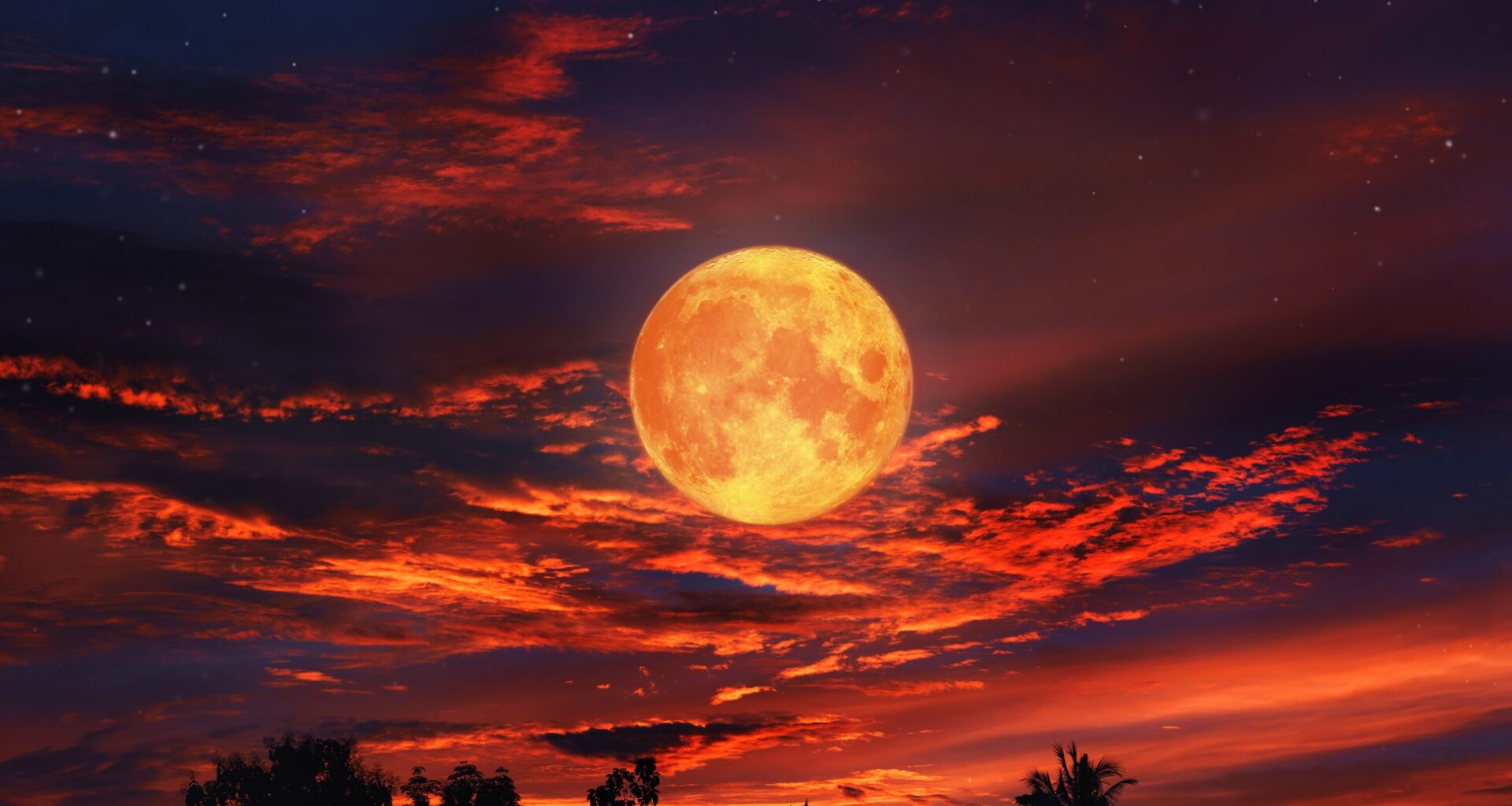
Get ready to look up: a total lunar eclipse (Blood Moon) will soon be visible in Montreal.
As the moon aligns with the sun and the earth, this 2026 lunar eclipse will be visible from North America, the Pacific, Australia and East Asia, but will not be visible in Europe or Africa.
When is the lunar eclipse in Montreal?
The total lunar eclipse (blood moon) will be visible in Montreal early on Tuesday, March 3, 2026.
What time is the lunar eclipse in 2026 in Montreal?
Totality, where the moon turns completely red, begins around 6:27 a.m. EST, with the maximum eclipse occurring very low on the western horizon around 6:30 a.m. EST before the moon sets.
3:44 am (Tue, Mar 3) — Penumbral Eclipse begins
4:50 am (Tue, Mar 3) — Partial Eclipse begins
6:04 am (Tue, Mar 3) — Total Eclipse begins
6:27 am (Tue, Mar 3) — Maximum in Montréal
6:30 am (Tue, Mar 3) — Moonset
6:33 am (Tue, Mar 3) — Maximum Eclipse
7:02 am (Tue, Mar 3) — Total Eclipse ends
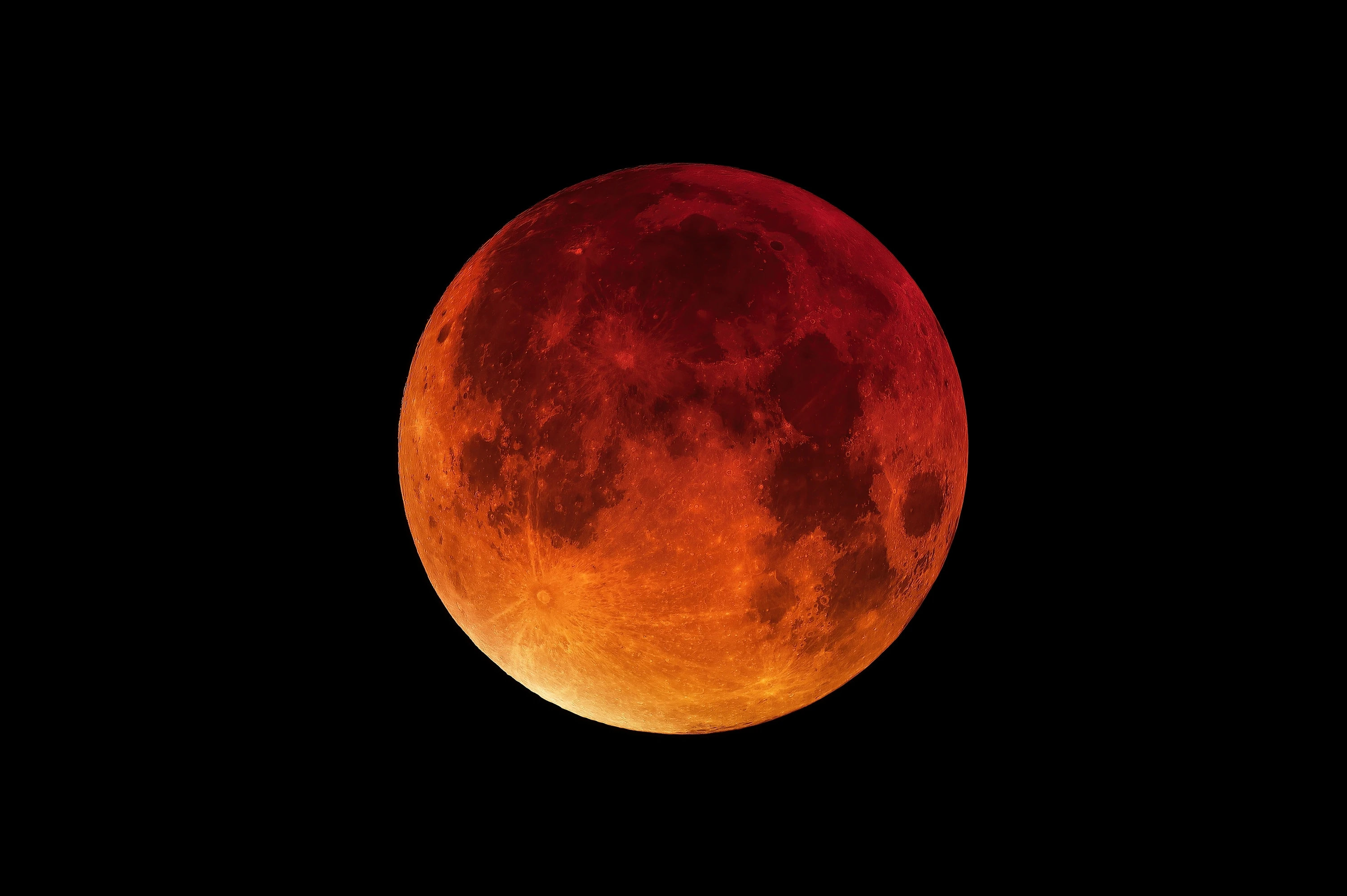
Photograph: Shutterstock / Keith Bramley
What is a Blood Moon?
A total lunar eclipse is often called a “Blood Moon” because the Moon takes on a deep, coppery red hue.
The dramatic colour shift happens when sunlight passes through Earth’s atmosphere and bends (or refracts) on its way to the Moon. Our atmosphere acts like a giant filter: it scatters shorter blue wavelengths of light—hence our blue daytime skies—while allowing longer red and orange wavelengths to travel through more easily.
During a total lunar eclipse, those warmer tones are the ones that reach the Moon, bathing it in shades of crimson and rust.
Time Out tip: A clear, unobstructed view of the western horizon is necessary to see the red colour as the eclipse happens during sunrise and moonset.
And unlike solar eclipses, lunar eclipses are safe to look at with the naked eye so you don’t need any special equipment to see a total lunar eclipse.
RECOMMENDED:
Full guide to the best things to do in Montreal