

Listen to this article
Estimated 5 minutes
The audio version of this article is generated by AI-based technology. Mispronunciations can occur. We are working with our partners to continually review and improve the results.
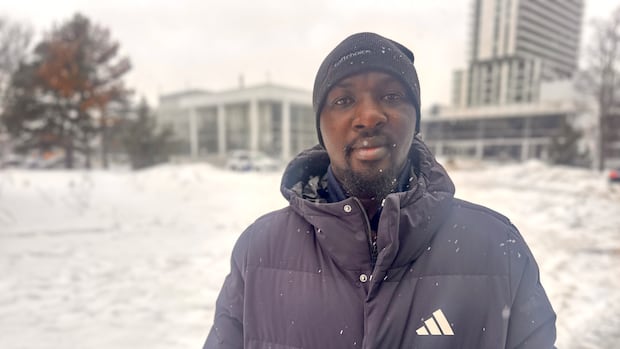
Isaac Tumuramye has called the Willowdale Welcome Centre home since he came to Toronto from Uganda two years ago.
But the shelter, which serves refugees experiencing homelessness in Toronto, is closing at the end of May. Tumuramye says he’s scared about what the future holds — and others staying at the shelter feel the same.
“We’re not ready yet, we’re still trying to make life happen,” he said.
There are more than 200 refugees currently staying at the shelter. The city said it will not be renewing the lease at the Nork York site, as part of a planned transition away from higher-cost temporary sites to a financially sustainable, long-term refugee shelter system. But advocates, especially those who were on the front lines during the 2023 refugee crisis, remain concerned about the residents finding a safe place to live.
Tumuramye says one of the issues he keeps running into is landlords asking for a credit report. Despite working both a full-time and part-time job, that’s not something Tumuramye can provide yet as a newcomer.
“The housing system is not easy,” he said.
“It’s too expensive, the requirements from the landlords are too high.”
Advocates worry community will have to step in again
But back in 2023, many Black-led organizations, including churches, managed to do what no government did: move hundreds of asylum seekers off downtown Toronto streets.
A year later, an ombudsman report found that the city’s decision to stop allowing refugees access to beds in its base shelter system amounted to anti-Black racism, a claim the city manager refuted at the time.
Eddie Jjumba, senior pastor at Milliken Church, says it’s hard to not feel on edge about this closure after what he witnessed back then.
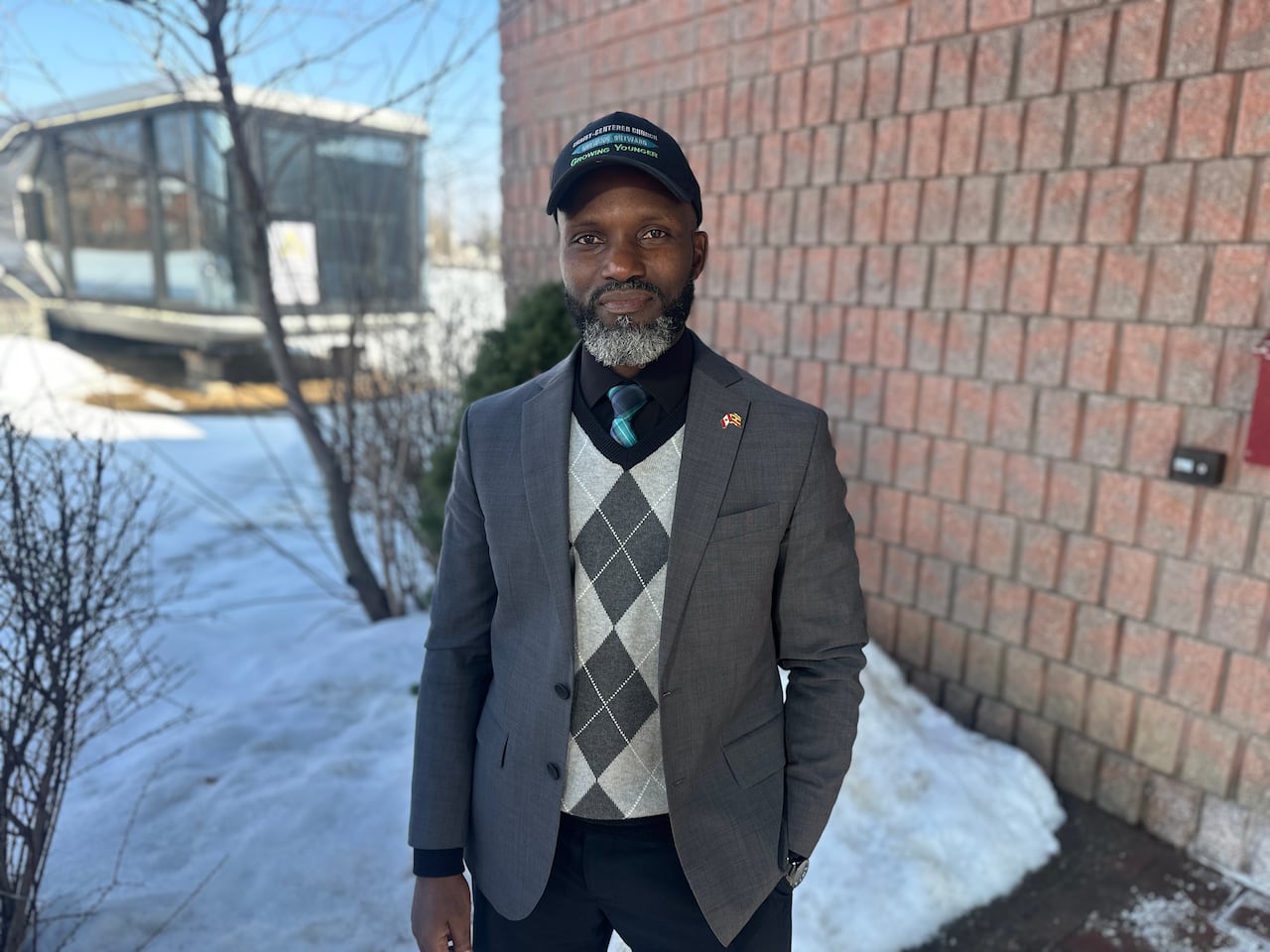 Eddie Jjumba, senior pastor of Milliken church in Markham, says he’s still impacted by what he saw during the refugee crisis. (Talia Ricci/CBC)
“We opened the church not because we had solutions or resources, but because we could not live with what we were seeing,” Jjumba said.
“There would be 10 to 15 people wanting to come in, but I knew it was full to capacity, and I had to live with that with every night, knowing I went home and there were people outside freezing. I still suffer with that.”
The pastor says he’s been part of promising conversations with the city about ensuring the residents have an exit strategy, but many of the residents still don’t know what’s next.
“There’s a good number of them who don’t have that plan yet,” he said.
“And if anyone is downplaying that, they don’t know the reality of what it’s like to know you have to leave and you don’t have a destination.”
City says need for refugee services decreasing
In a statement, city spokesperson Elise von Scheel said the demand for refugee services has stabilized over the past year and continues to decrease, allowing the city to move towards refugee houses and smaller shelters with refugee-specific services as directed by city council.
“All residents at 5800 Yonge St. will be supported to move into permanent housing or other appropriate shelter spaces with wrap-around supports throughout the spring,” von Scheel said, adding the city is taking steps to adjust to shifting trends in homelessness in Toronto and remains committed to providing assistance to as many people as possible.
Federal funding for refugee shelter supports is also scheduled to end in March 2027, which the city says will shift its approach to sheltering refugees.
Additional city shelters closing
In addition to Willowdale Welcome Centre, one of Toronto’s winter respite sites is shutting down a month early to make way for the FIFA World Cup, and another shelter at 545 Lakeshore Blvd. W. is set to close in September. The city says that site remained open as a temporary location to meet the unprecedented demand of the last few years and support physical distancing during the COVID-19 pandemic.
Lorraine Lam, organizer with Willowdale in Neighbourly Community, a housing advocacy group, isn’t convinced all of these residents will be housed, with the shelter system often overwhelmed.
“I know the city always says housing will be secured for folks but my question is where?” she said, adding the site’s specific resources geared toward newcomers are an important aspect of the centre.
Between the three sites’ closures, the city’s figures suggest that more than 600 people could be displaced.
Tumuramye told CBC Toronto that staff at the shelter are trying their best to help, but he’s struggling.
“I don’t want to move to the next shelter, I want to get out and start my life,” he said.
“But finding a house is a challenge.”