
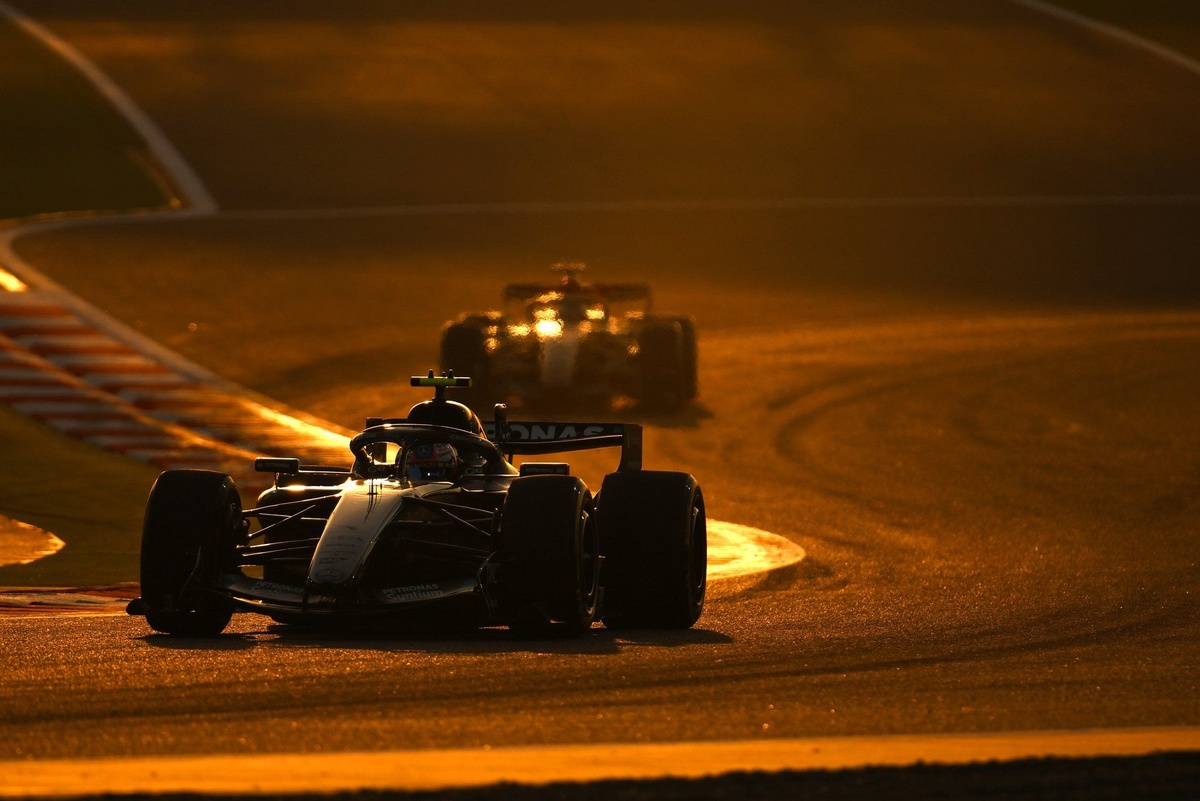
Mercedes still the favourite, Ferrari the second force for now
Prior to winter testing, George Russell was already the bookmakers’ top favourite for the 2026 Formula 1 world title, and that picture has not changed after three weeks of running.
Yes, Ferrari ultimately topped the timesheets, but that says little. Traditionally, the Scuderia tends to show a bit more than some of its rivals and Charles Leclerc even bolted on a set of C4 tyres, a softer compound than Pirelli normally brings to Bahrain. Mercedes did not feel that necessity, which in itself may be a sign of confidence.
Read Also:
As McLaren team boss Andrea Stella explained on Friday evening: individual lap times say little, only the long runs reveal a first indication. In that respect, Mercedes has made a good impression at various moments. Moreover, rivals – not least Max Verstappen – have expressed the view that Toto Wolff’s outfit is still holding quite a bit of performance in reserve. In that regard, it was telling that Pirelli has indicated that the lap times in Bahrain (in contrast to those in Barcelona) were slower than anticipated, which may also point to sandbagging.
Mercedes remains the favourite after the first on-track action of the year, but that does not take away from the fact that Ferrari has started well. The long runs looked relatively consistent, also in terms of energy deployment over multiple laps. There is cautious reason for optimism in Maranello, although it is not something that should make anyone in Brackley or Brixworth nervous.
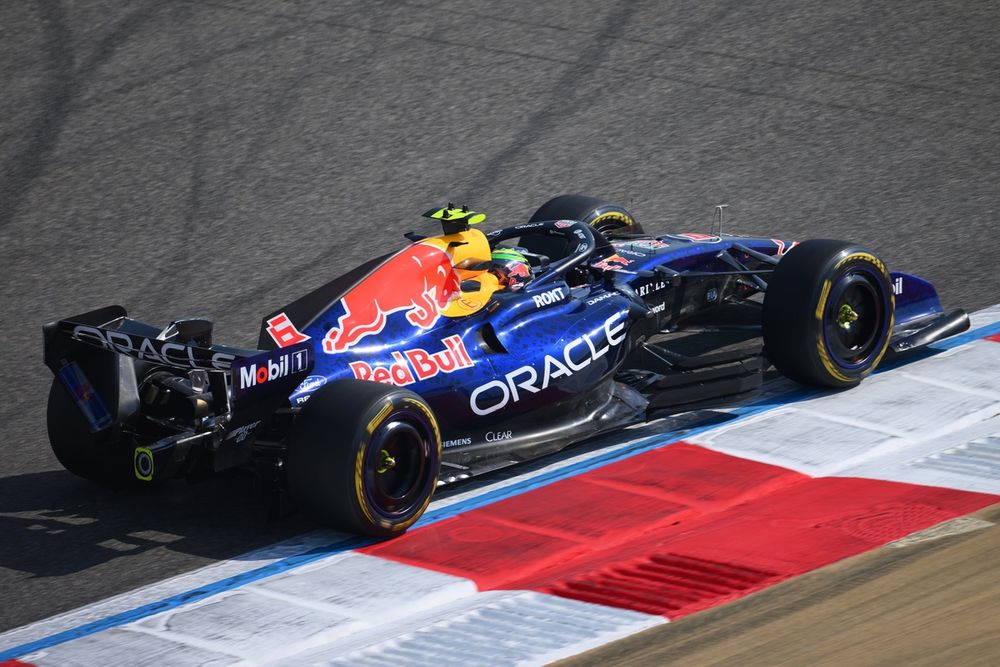
Isack Hadjar, Red Bull Racing
Photo by: Simon Galloway / LAT Images via Getty Images
Red Bull engine not “the benchmark”, but better than expected
When Stella shared his own view on the early pecking order, the message was clear: Mercedes and Ferrari are a step ahead, behind them McLaren and Red Bull seem relatively close to each other – with Oscar Piastri slightly quicker than Verstappen in Thursday’s long runs.
It should be noted, however, that not all Mercedes customer teams seemed to have used the exact same mappings as the factory team in Bahrain – an aspect Alpine alluded to. Perhaps there is still a bit more to come for the likes of McLaren in that regard.
This, however, does nothing to diminish the good impression Red Bull has made with its own power unit. Wolff described the DM01 as “the benchmark”, although that praise seemed rather politically charged. Moreover, technical director Pierre Wache explained that Red Bull had mastered certain aspects of the energy management slightly earlier than its competitors, but he was quick to add that the rest of the pack had since taken steps in the same direction.
It may not make Red Bull Powertrains the absolute benchmark, contrary to what Wolff said, but it remains impressive how that project has come out of the blocks. The power unit has proven reliable so far and Red Bull looks competitive. As Mekies rightly pointed out on Friday evening: that in itself is already quite an achievement for a newcomer.
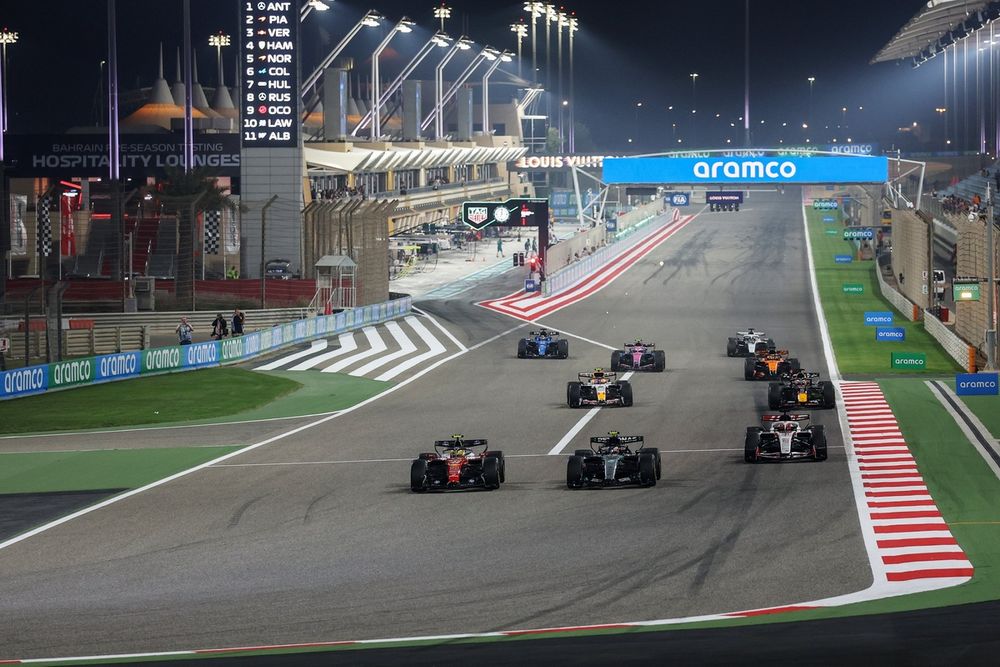
Lewis Hamilton, Ferrari, Andrea Kimi Antonelli, Mercedes, Esteban Ocon, Haas F1 Team
Photo by: Steven Tee / LAT Images via Getty Images
No Brawn GP in 2026 – top four are still the top four
Based on early evidence, the four top teams from last year still appear to be the four top teams in 2026. With changes to both the engine and chassis regulations, in theory, the door was open for a major surprise, but a fairytale à la Brawn GP in 2009 has not materialised.
Several factors underlie this. The most important one is that the big four still have the most potential. Yes, the budget cap is meant to ensure a level playing field, but structurally the larger outfits still retain some crucial advantages. That applies both in terms of facilities and personnel, although there is one team on the grid that should theoretically be able to match that – but more on that below.
Read Also:
As for the ‘best of the rest’ position, Alpine and Haas seem to hold good cards for now. Alpine had virtually written off 2025 to perform better this season and that approach appears to be paying off, at least in the early days. The Mercedes power unit naturally helps, although team members acknowledge that its integration and adjusting the working methods after years of being a factory team will take some time. Still, Alpine seems back in a position to fight for something – and that is already an important step forward compared to last season.
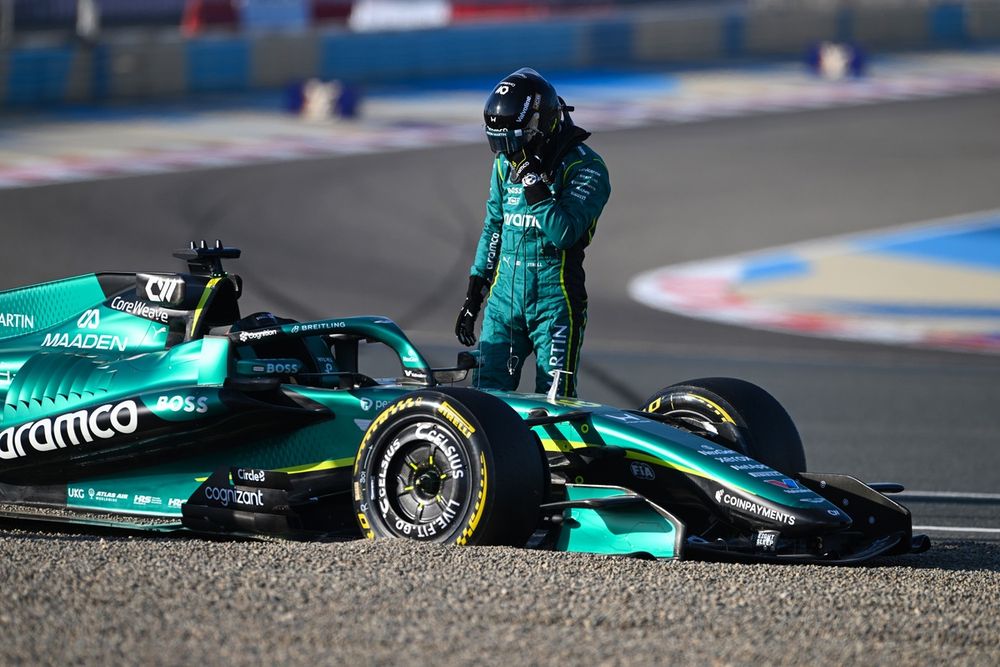
Lance Stroll, Aston Martin Racing
Photo by: Rudy Carezzevoli / Getty Images
Aston Martin and Honda are in trouble
The biggest loser of pre-season testing is easy to guess: Aston Martin. That message was already audible during its season launch in Saudi Arabia. From all corners at the home of title sponsor Aramco came the same line: “It’s not about where we stand in Melbourne, it’s all about our development and the second half of the season.” In Bahrain it became clear why that message was being emphasised so strongly: the team has work to do, a lot of it in fact.
An important part of that seems related to Honda. The F1 project of the Japanese brand now looks very different compared to the successful years with Red Bull. After the decision to officially quit F1 at the end of 2021, many people left or were reallocated to other R&D divisions within the company. Honda therefore largely had to rebuild the project from scratch. Add to that the integration with a new partner, and the fact that Aston Martin is now running its own gearbox for the first time, and the complexity of the whole project becomes clear.
Read Also:
In that respect it did not help that Adrian Newey, by his own admission, was only able to start late, and that the new wind tunnel with its 2026 car became operational four months later than planned. As the integration of the engine into the chassis was considered a key advantage of this partnership, that delay is now being felt in other areas. With Newey, Honda and the hyper-modern Silverstone campus, all the ingredients for long-term success appear to be in place, but if pre-season testing has made one thing clear, it is that this project will take time – perhaps a lot of time. The follow-up question is whether Fernando Alonso still has that time behind the wheel.
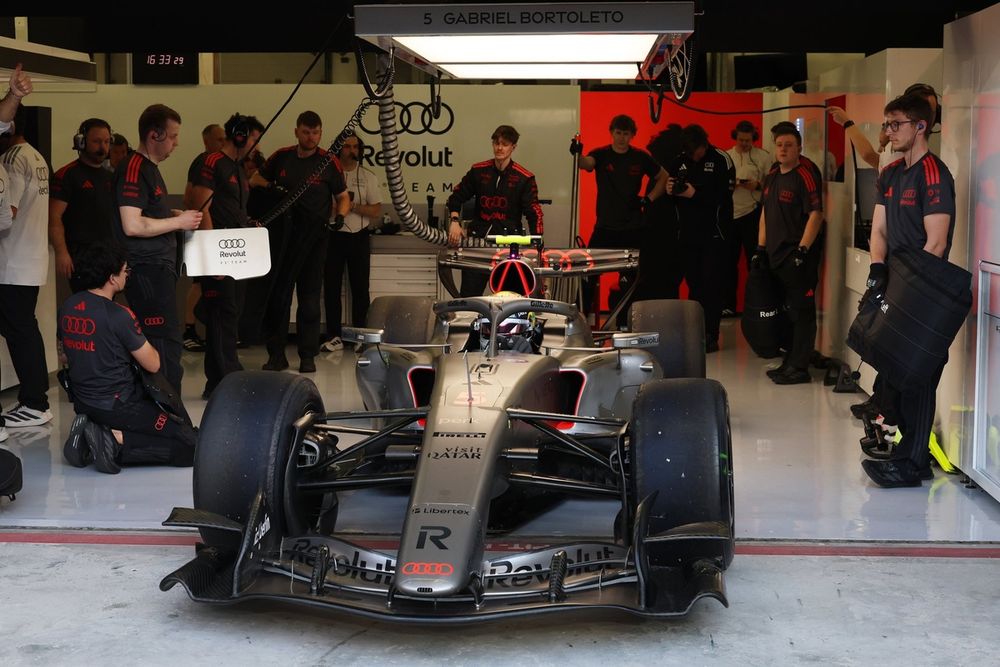
Gabriel Bortoleto, Audi F1 Team
Photo by: Andy Hone/ LAT Images via Getty Images
New rules still offer room for interesting tech solutions
A fear that technical directors usually express ahead of a regulation change is that the new rules might be too restrictive. This time it was said by, among others, Newey. But in practice this ruleset seems to offer enough room for distinctive designs. In pre-season, the creation of Newey himself stood out, not least because of the rather extreme suspension choices at the rear.
During testing in Bahrain a few more interesting solutions emerged. Audi came up with completely new sidepods – a concept that differed from what the other teams had shown up to that point – and Ferrari drew attention with a rotating rear wing. Team boss Frederic Vasseur emphasised that it was a test item and that it has to be analysed whether it will be raced in Melbourne, although the FIA has confirmed that it is legal and usable if Ferrari wishes to run it.
Such creative interpretations are still possible in 2026, and that in itself is good news. It not only fits the innovative nature of the pinnacle of motorsport, but also underlines the continuous arms race between all teams. Under a new set of regulations that applies more than ever, which means this has only been the first glimpse of what will be an extreme development rate – in Australia and beyond, the pace of teams introducing new parts will remain relentless.
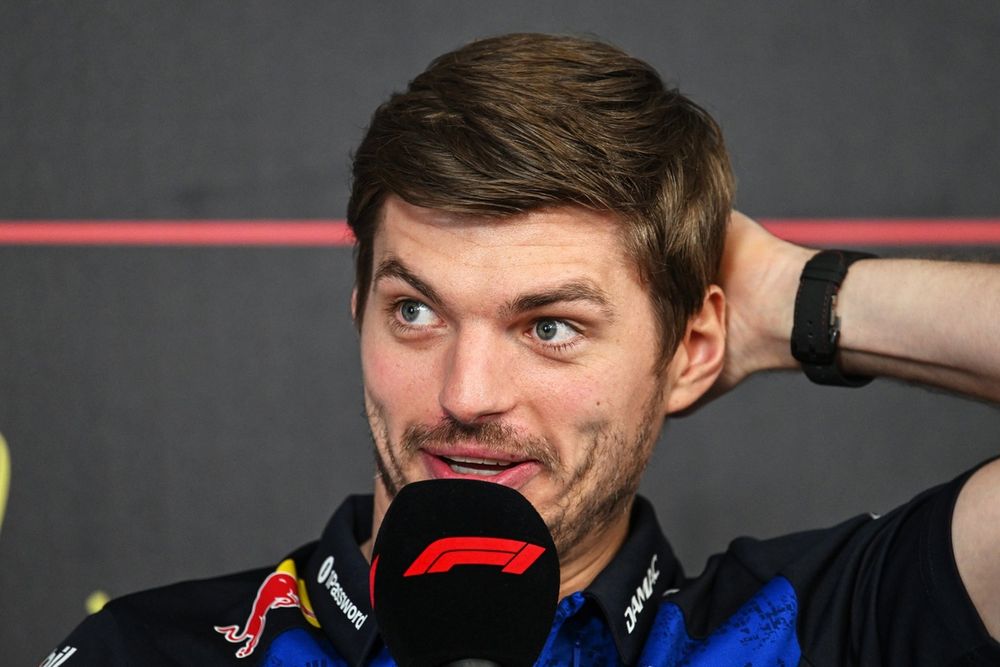
Max Verstappen, Red Bull Racing
Photo by: Sam Bagnall / Sutton Images via Getty Images
“Formula E on steroids” – Teams learn, but biggest challenge still to come
While that aspect – the development race – is still “peak F1”, that does not apply, according to all drivers, to the experience behind the wheel. Verstappen voiced his objections first and in the most outspoken way. The Dutchman called F1’s new era “Formula E on steroids” and added that he did not even want to test the 2026 car in the simulator last year, simply because it felt so bad.
Read Also:
Although the overall picture cannot easily be remedied and is linked to how these regulations came about (politically) – first finalising the engine rules for Audi and Honda and only then looking at the chassis and aerodynamics – it is clear that teams are learning quickly. In terms of energy management and avoiding unnatural things, such as lifting and extra downshifting, it already looks slightly better than in Barcelona, although the real challenges are still to come.
Those challenges will confront teams in Melbourne. Energy harvesting will be a much greater challenge there, as Stella explained, which may require more ‘unnatural things’ from drivers. A potential workaround could be running 300kW electric power in race trim rather than 350kW and relying on ‘super clipping’ (charging to 350kW instead of 250kW while flat-out), although the FIA wants to monitor the early races before taking any action. Until then, the hope will be that the image does not become too alienating for diehard fans. Despite teams having learned a lot, drivers’ concerns have not disappeared – certainly not for some of the tracks that are to come.
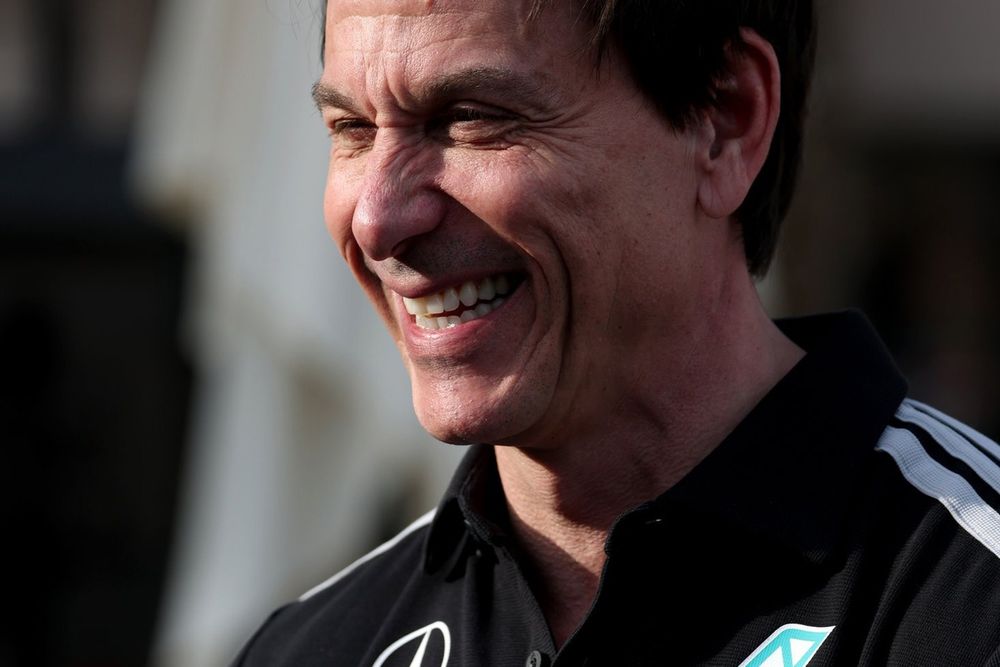
Toto Wolff, Mercedes
Photo by: Sam Bloxham / LAT Images via Getty Images
New era or not, F1 politics never change
The final point is not directly related to the on-track action, but after the past few months it cannot be omitted: the political discussion about the compression ratio. While the pure racing may not be “peak F1”, the political chess game certainly is. It is alive like never before, with the Mercedes engine dominating the discussions in Bahrain.
Wolff has indicated that Mercedes kept the FIA “in the loop” throughout the entire development process, although the governing body nevertheless saw the need – after questions from other manufacturers – to put the compression ratio tests to a vote. If a double test is indeed introduced – one of which at a temperature of 130 degrees Celsius – that tightening will only take effect on 1 August, meaning everyone loses a little – the textbook example of an F1 compromise – and the issue will continue to simmer in the background for a while.
Nikolas Tombazis said on behalf of the FIA that the performance advantage is much smaller than some in the paddock suspect and that, in his view, the topic does not deserve that much attention at all. But that too is typical F1; every grey area and every potential performance differentiator – no matter how small – is fiercely contested. During the testing days in Barcelona and Bahrain many things in F1 turned out to be different, but this aspect certainly did not.
We want your opinion!
What would you like to see on Motorsport.com?
– The Motorsport.com Team