
Sometimes Lorna Grinnell-Moore, a nurse in Birmingham, gets the phone slammed down on her. Often, she has to listen to the most outlandish conspiracy theories and, on one occasion, she recalls being verbally abused.
“There’s always going to be ones like that, who just don’t want to hear, and you feel you’ve failed.”
But this is all part of the day job for Lorna. She’s been calling families whose children have missed out on measles, mumps and rubella (MMR) vaccinations to persuade them to get immunised. Low vaccination rates mean the disease has been able to spread in the city, mainly among children under 10 years old.
Lorna’s been here before – she was part of a team of NHS workers that made 13,000 calls in just three months after a surge in measles cases in late 2023 affected hundreds of children. These conversations alone led nearly 1,000 previously hesitant parents and young people to take up the offer of vaccination.
In north London, which is in the midst of a measles outbreak, officials are looking to places like Birmingham for ways to get a grip on it. Fifty cases have been confirmed so far this year in north London, mainly among young children, some of whom have been admitted to hospital.
During Birmingham’s 2023 outbreak, some former doctors and nurses were brought out of retirement, like they had been in the pandemic. This time though, instead of administering jabs, they were being deployed to persuade people to have them.
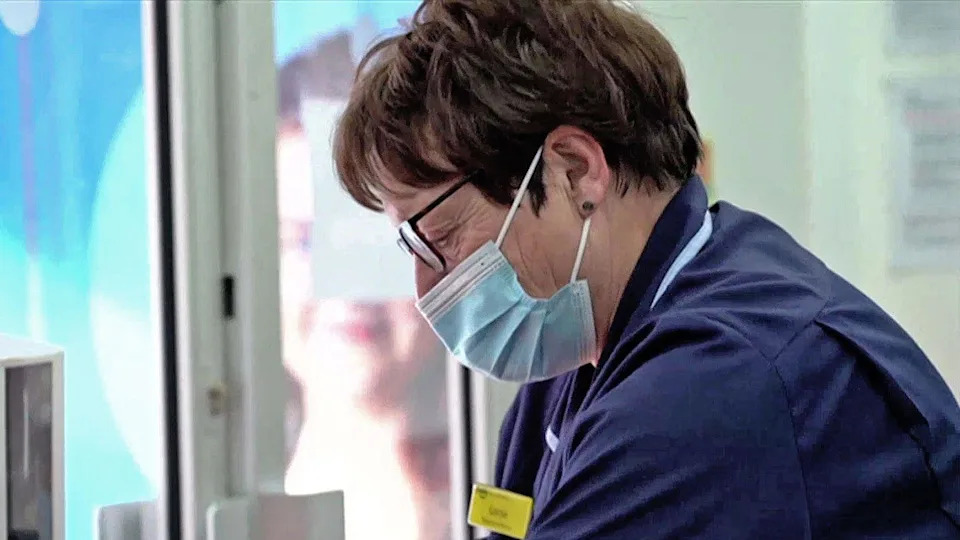
Lorna and her team made thousands of calls to local people in 2023 [BBC]
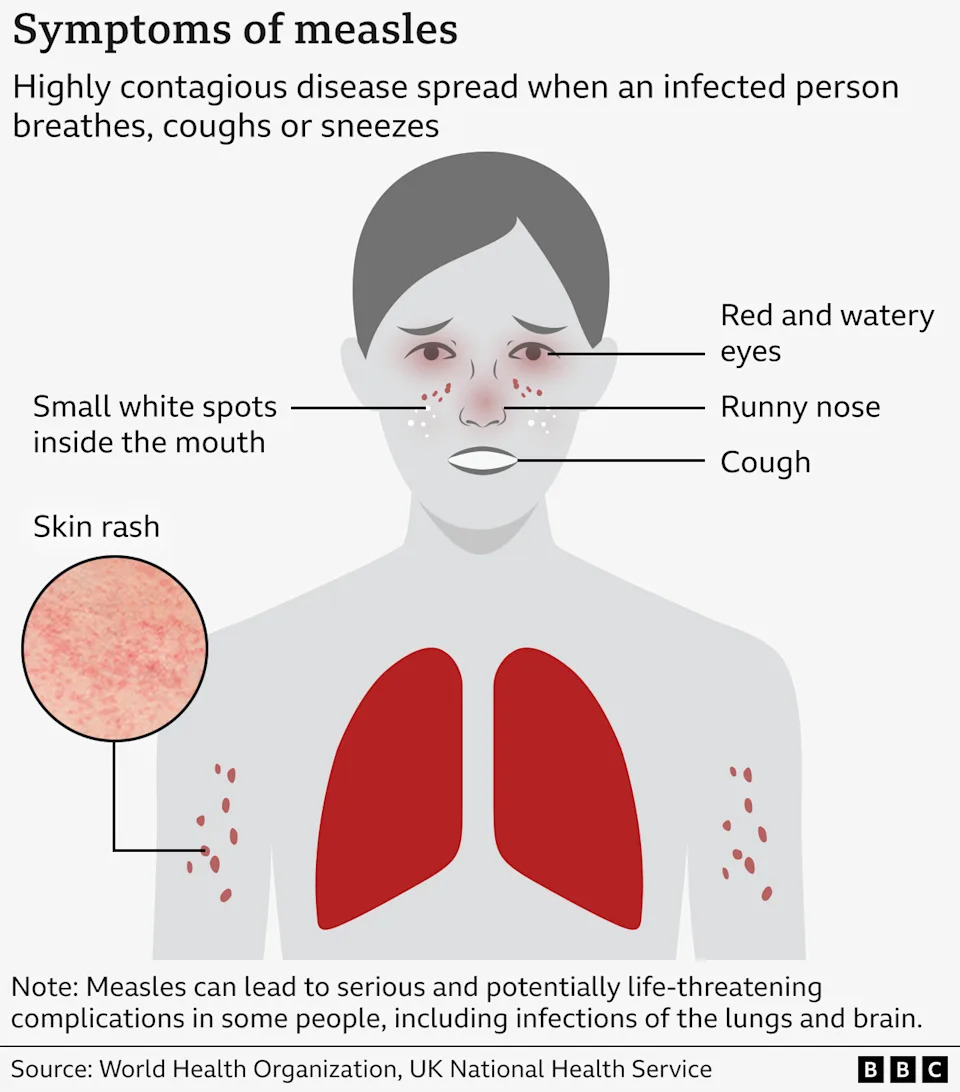
The team was tasked with making repeated calls to parents and patients up to the age of 25 to discuss what was stopping them getting the vaccine against a disease that can have serious consequences – including meningitis, blindness and, on rare occasions, death.
Now, Lorna, clinical service lead for vaccination, and a team of nurses have been recruited to bash the phones again as measles cases rise once more.
It’s not an easy task. It takes a certain kind of approach which combines listening closely and trying to understand the person on the other end of the line.
“Once I get a handle on where they’re coming from, I can then answer their questions,” says Lorna. “Sometimes they listen, and sometimes they say they’ve had enough.
“It’s not about being the bossy matron.”
If people are prepared to carry on talking to Lorna, she feels she can then address their fears or worries about the vaccine and help diminish them.
The rule is to call only three times. Another is not to leave messages in case they can’t be understood. Colleagues who speak a number of different languages, including French, Italian, Arabic and Urdu, can help with making calls when English isn’t a person’s first language.
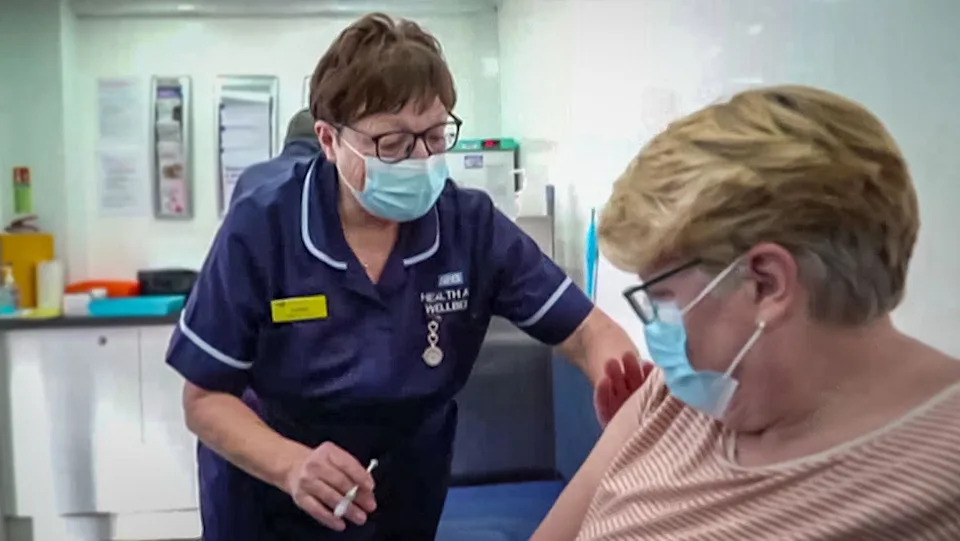
Lorna has been part of community projects previously – here she was carrying out flu jabs [BBC]
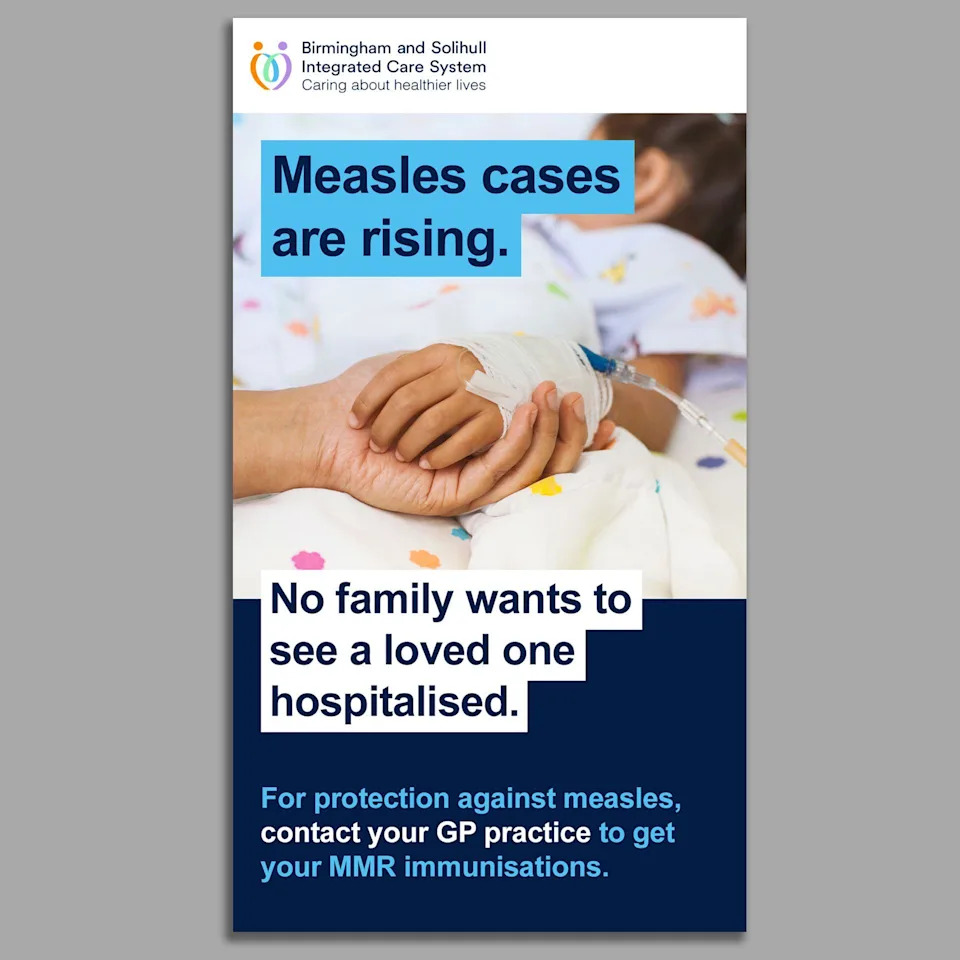
Alongside the phone service, the joint incident management team (set up by the local NHS in partnership with Birmingham and Solihull councils to manage the outbreak) also runs an advertising campaign and engages with local community groups.
The work across the city has had a real impact. Over the course of 2024, an extra 7,000 vaccinations were carried out – and the total number of jabs was a fifth higher than the year before, according to figures provided by the local NHS.
[NHS]
In particular, there had been lower vaccine uptake among certain ethnic groups, including Roma, east European, South Asian and black ethnic groups.
Language barriers were addressed by increasing the material available in a range of languages, including publishing QR codes linked to videos explaining about the benefits, alongside the traditional billboard advertising.
Some local GP services have also started doing their own call-and-recall work. One of those is Hall Green Health, which has even taken it a step further by offering GP appointments to parents who are hesitant so they can discuss their concerns face to face with a doctor.
“I think we have become complacent about just how serious measles is,” says partner Dr Sonia Ashraf.
She says there are multiple factors that make people hesitant to have the vaccine. The fact MMR contains pork gelatine, which is a concern for some Muslims, is one thing they see, she says, but this is relatively easily resolved by offering the version of the jab that is gelatine-free.
Discredited research from the 1990s linking the MMR vaccine to autism also gets brought up, while some parents also worry about the number of routine vaccines offered to children in the early years – by the age of four, they will have been invited to get immunised six times with multiple jabs given at some of the appointments.
“Some parents question why children need so many or think that their children are healthy enough to fight off these diseases,” adds Ashraf. “We spend time going through the evidence with them – there is a lot of misinformation out there.”
The call-and-recall support has since been offered to other GP practices at various points. But because of stretched budgets, it is something that can only be done on a limited basis. In 2025, vaccination levels in Birmingham dropped back to pre-2024 levels, leaving the city still well below the 95% threshold needed for herd immunity (which means outbreaks cannot take off).
But while there have been spikes in infection, there has been nothing like the number of cases that were seen two years ago, when confirmed cases exceeded 500.
Leon Mallett, head of vaccinations in Birmingham and Solihull, says the call-and-recall model “is really effective” but “not a silver bullet” and needs to be combined with other strategies. Ideally, he says it would be used more but he says further investment is needed.
NHS Birmingham and Solihull said current funding for the calling system ran until the end of this financial year at the end of March.
Birmingham is not the only area to adopt the strategy. A number of other places have tried similar things, says Prof Helen Bedford, an expert in child health at University College London (UCL).
But shifting the dial nationally has proved difficult. Currently, fewer than 85% of children have had two doses by the age of five.
[BBC]
“It’s a real challenge,” says Bedford. “The reasons for not getting vaccinated are complex and different for different communities. One thing that often gets overlooked is accessibility. For some people who are living in poverty and struggling to put food on the table, getting a vaccination is not at the top of their priorities.”
She says confidence in vaccines has also taken a hit, both from disinformation and from the Covid pandemic. “There was such a push for people to get vaccinated and then when they were still getting infected after getting the jab, it made some question whether they work.
“But the Covid vaccine and MMR vaccine are very different,” Bedford explains. The MMR jab stops you getting measles, while the Covid vaccine was designed to prevent people from getting seriously ill with the virus, she says. “It should have been better communicated – and we are paying for that now.”
But Bedford is optimistic. “What gives me confidence, though, is that I think there are very few people who are absolutely against getting it.” she says. “If we can address questions people have or barriers they face, we can get uptake back up to where we need it to be. But it’s going to take sustained effort and investment.”