

Listen to this article
Estimated 4 minutes
The audio version of this article is generated by AI-based technology. Mispronunciations can occur. We are working with our partners to continually review and improve the results.
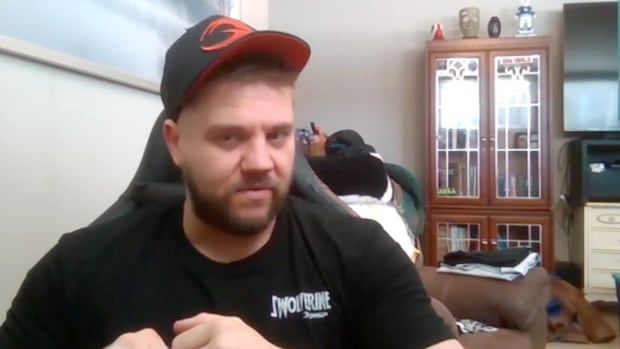
A former tenant of The Salvation Army’s rental housing program in Durham Region says he’s looking for accountability after the program ended last year, leaving him scrambling to avoid living on the streets.
Jamie Middleton said he has received no meaningful support from The Salvation Army or Durham Region — which funded the program — since it ended in November.
“Nobody’s taking any accountability for anything, and I find that disgusting and distasteful,” he said.
The program began in partnership with the region in 2017. The Salvation Army signed time-limited guarantee agreements with landlords for rent payments on behalf of the tenants.
Middleton said he joined the program in March 2023 and signed a four-year contract, living with roommates in a Pickering house.
The Salvation Army has said Durham Region withdrew funding for the program in May. When the program ended in November, it had been supporting 88 adults and 114 children.
Middleton said tenants should have been told in May the program was ending. Instead, he said the charity told him in September.
“That gave us no time to figure things out, save money,” he said.
Salvation Army says it tried to save program
The Salvation Army declined to be interviewed for this story.
In a statement, spokesperson Gina Haggett said the charity “made significant efforts” to advocate for their clients and persuade the region to reverse its decision.
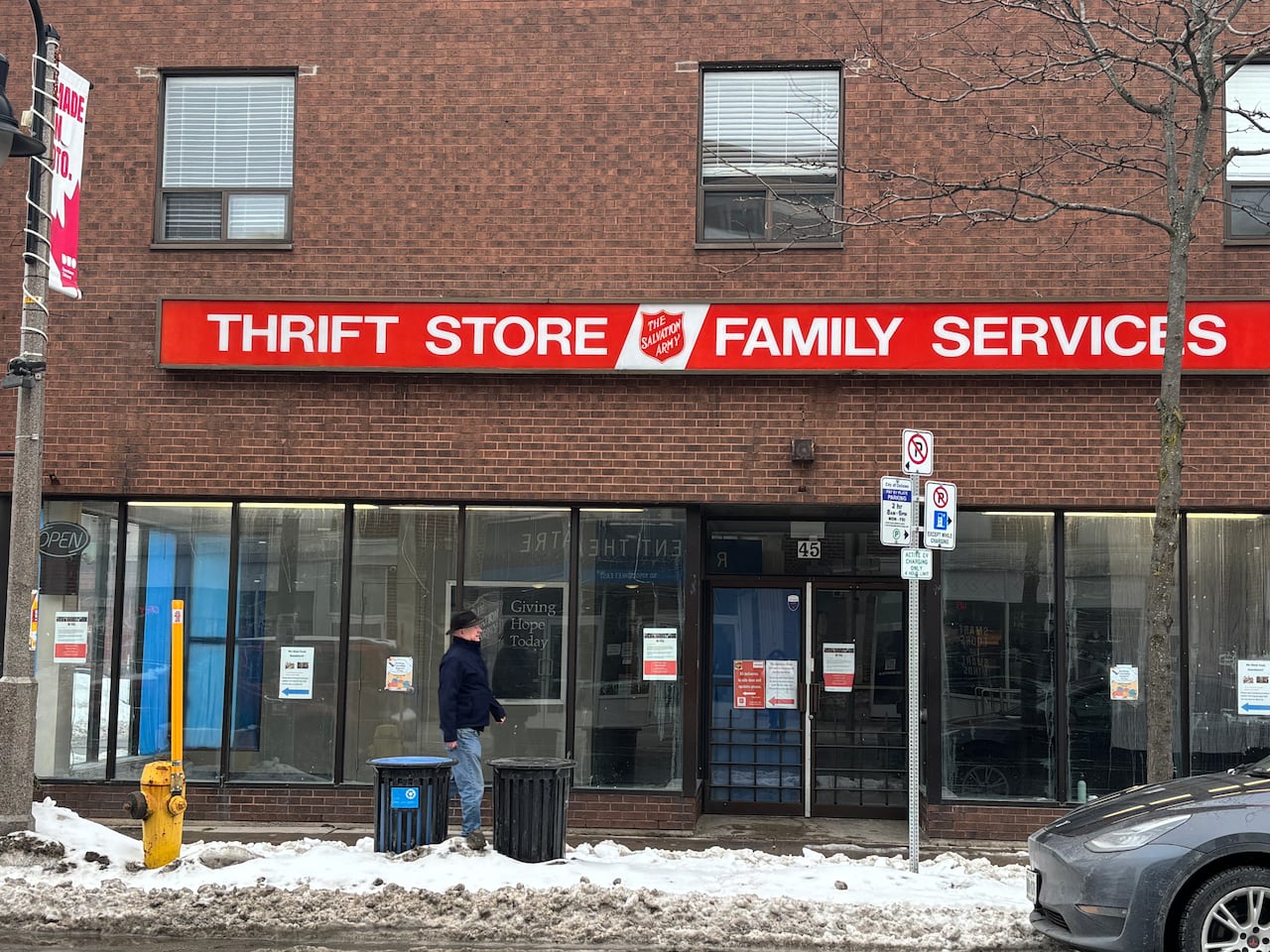 A Salvation Army location in downtown Oshawa. A spokesperson for the charity said it ‘made significant efforts’ to persuade Durham Region to reverse its funding cut for the housing program. (Rochelle Raveendran/CBC)
“Once it was apparent the program could not be saved, all clients were provided with notice in accordance with our program agreement of not less than 60 days,” the email read.
But Middleton said that notice wasn’t enough.
“Why did you withhold information from your clients … and put them in a situation where they could be homeless?” he said.
No follow-up from regional partner, former tenant says
Since the program ended, Durham Region has partnered with nonprofit agency Dedicated Advocacy Resource Support (DARS) to help affected tenants, said Sahar Foroutani, the region’s manager of income, employment and homelessness support.
But Middleton said DARS didn’t follow up after he asked for help.
Initially, Middleton’s landlord allowed him to stay after the program ended and pay rent directly. But a week before Christmas, he was told he had to move within a month.
WATCH | Salvation Army says Durham Region withdrew funding for housing program in May:
Salvation Army ends housing program in Durham Region amid funding cuts
The Salvation Army is ending a rental housing program that supported hundreds of people in the Durham Region, after funding was cut earlier this year. As CBC’s Christian D’Avino explains, two landlords say the charity still owes them tens of thousands of dollars.
Middleton said he immediately reached out to a DARS worker, who advised him not to move and promised help — but he said he never heard back.
“The effort is lacking, the communication is lacking,” he said.
Foroutani said all impacted tenants have been contacted and followed-up with. She said the region is working closely with DARS to oversee cases.
“Resources have been provided, support has been implemented [and] referrals have been made to ensure those individuals have all the right tools needed … to secure themselves in a space that’s safe and sustainable,” she said.
32 of 71 affected households have been housed: region
In total, 71 households were impacted when the housing program ended, Foroutani said. There have been no evictions to date, she said.
Foroutani said 32 households have been successfully housed in a “permanent residency,” either staying in their units or relocating.
The remaining 39 households are still living in the same accommodations, she said.
CBC News asked Foroutani how long these tenants will be able to stay in these units, since the program ended three months ago. In response, Foroutani said the region and DARS are working together to help these tenants maintain stable housing.
Depending on each tenant’s needs, that may include doing advocacy work between the landlord and the tenant, or educating the tenants about what benefits they are eligible for, she said.
While the region says no one has been evicted, Middleton — who has been homeless before— said he is worried about other former tenants facing uncertainty.
He ultimately moved to a basement apartment in Alliston, Ont., where he is from, that he shares with his girlfriend. Before that, Middleton said he feared ending up on the streets again as he struggled to find housing within his budget.
“I really do hope if anybody has been exited out of these houses … that Durham Region does what they said they’re going to do and help these people,” he said.