
A Métis Nation-Saskatchewan mental health program intended to help break cycles of inter-generational trauma for hundreds of citizens is coming to an end.
The Mental Health Support Line Program was launched in the fall of 2020 as a response to the growing need during the COVID-19 pandemic, providing citizens with accessible care.
Read more:
Métis Nation-Saskatchewan spokesperson Rena Montgomerie said the program was initially funded as part of the COVID-19 emergency response, but a multi-year federal funding agreement was later established, allowing the program to continue. The value of that agreement was roughly $1.1 million.
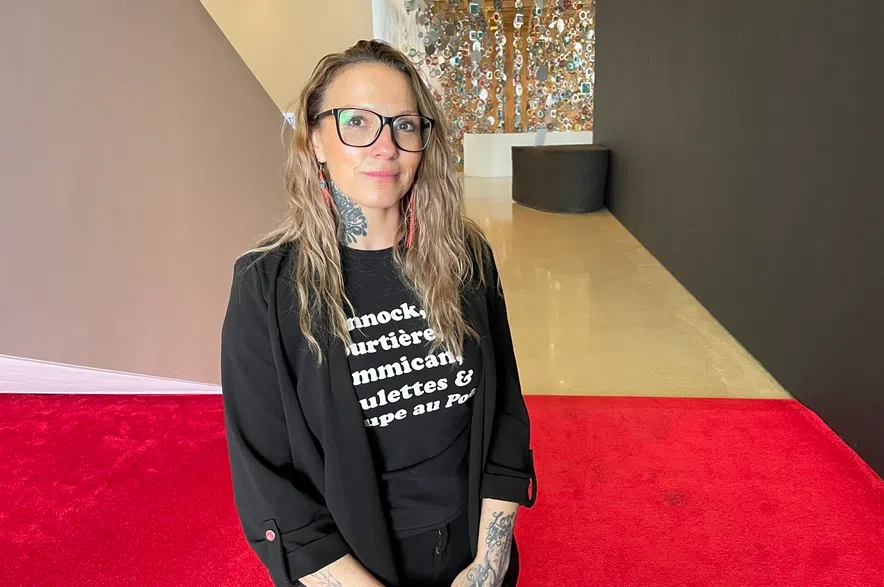
Beverly Fullerton, the Métis nation’s minister of health, mental health and addictions explained that citizens who were struggling could reach out through the program, and the Métis Nation-Saskatchewan would pay for both counselling sessions and additional wrap-around services.
Fullerton said the mental health program was working to end inter-generational trauma.
“Some of these families are breaking cycles,” through what they learned, she said, “taking that knowledge home.”
But now, funding for the program is coming to an end.
According to Fullerton, the contribution agreement from the federal government is expiring on March 31, and there was no opportunity for the Métis Nation-Saskatchewan to apply for funding through an alternative stream.
“This is not an internal decision that was just made,” Fullerton said.
“We just learned of this.”
She said the Métis Nation-Saskatchewan tried negotiating to find other ways to keep the program going, or even to fund a slower wind-down process, but nothing worked.
“We were just met with $0. We can’t do this. Unfortunately, there’s no funding,” Fullerton said.
Fullerton said the Métis nation reached out individually to the more than 1,000 citizens affected by the program’s loss, but she said the program’s impacts stretch even further than that.
“When we include their families and the ripple effect of those services, the majority of our nation is being impacted by this,” she said.
Six staff members are also losing a job as a result of the program’s discontinuation, although Fullerton said the Métis nation is working to re-assign them to other roles.
More than just one program
According to Fullerton, Canada and the province say they’re aware of the mental health and addictions crisis, but when it comes down to delivering the programs to help, she said there’s no support.
For Fullerton, the program’s end highlights a broader issue faced by the Métis Nation-Saskatchewan.
“We are all Indigenous, but when there’s funding streams specific to First Nation and Inuit, there’s no Métis-specific funding. So we are then in competition, nationally, with other organizations and governments for the same dollars,” she said.
Métis “are known for being the forgotten people,” Fullerton added.
“When funding cuts happen, it makes us kind of believe that,” she said.
In an email, Suzanna Su, a spokesperson for Indigenous Services Canada, said that in its 2024 budget, “the Government of Canada invested $630.2 million over two years, to support Indigenous People’s access to mental health services, including through distinctions-based mental wellness strategies.”
But, she added, that funding “was a federal initiative that was designed with defined start and end dates and not intended to be permanent.”
According to Su, Indigenous Services Canada is analyzing the implications and assessing how to meet the government’s expenditure review requirements.
For mental health help in Saskatchewan people can contact: