

Listen to this article
Estimated 4 minutes
The audio version of this article is generated by AI-based technology. Mispronunciations can occur. We are working with our partners to continually review and improve the results.
For the past three months, Planned Parenthood Ottawa’s programs were on hold while Lyra Evans went over the books, trying to find a way to keep from shutting its doors for good.
Now she’s propping them back open with a reduced staff and a renewed focus on providing the organization’s most essential services.
The charity — whose services include pregnancy and sexual health programming and gender-affirming care — was in what Evans called a cash crisis last fall when she stepped in as interim executive director.
“There was a period in October where we would have been insolvent if we had had to pay all of our debts,” she said.
According to Evans, “it was optimistic forecasting” from the board of directors, which anticipated money from grants that never came through.
Evans says her current approach to the budget is more pragmatic.
She has two employees on staff down from six, one of which was recalled after being laid off in November. Evans said she’s also looking to train volunteers to help with demand for the organization’s most sought-after service, the Options program.
The program offers free counselling, resources, information and referrals related to reproductive and sexual health.
“It is the closest to the original mandate … so it was the program that people said needed to come back first and needed to come back strongest,” she explained.
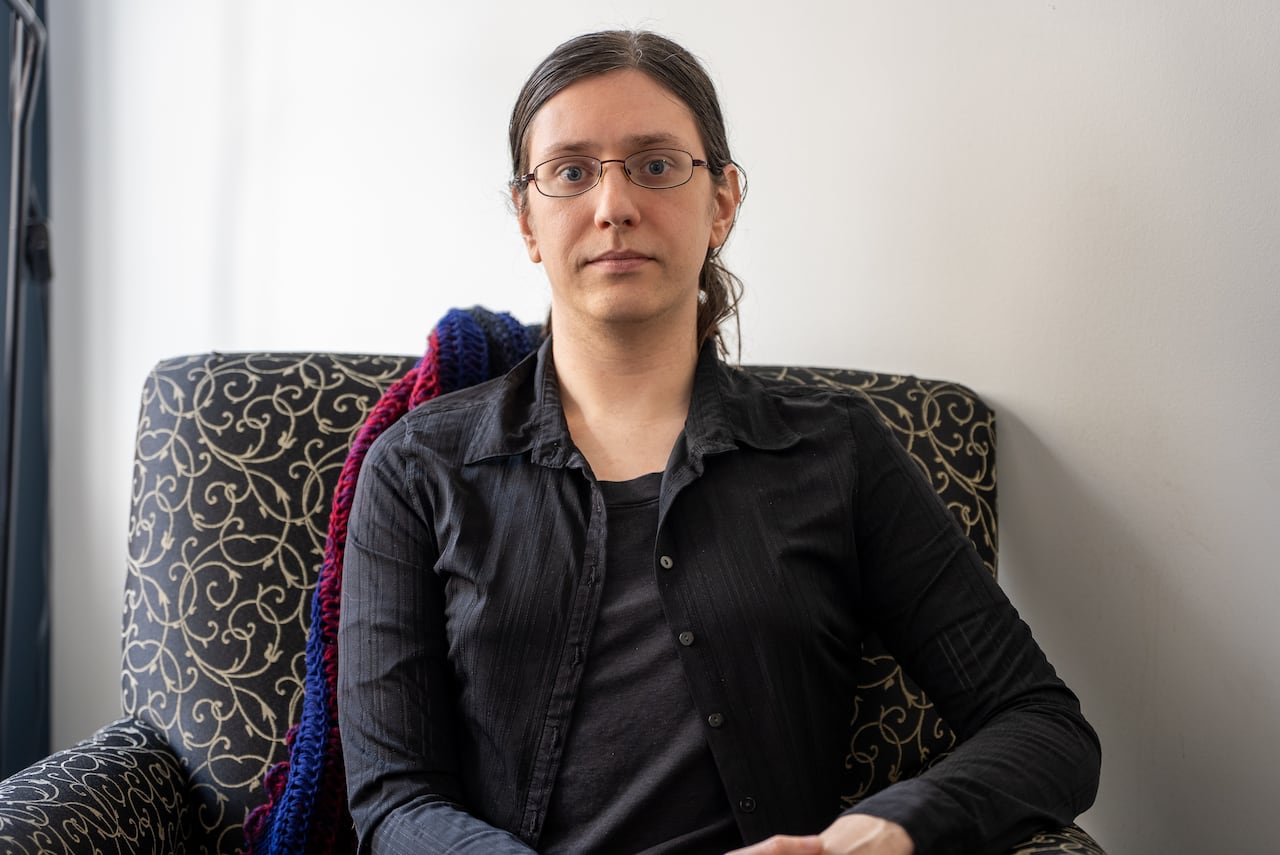 Lyra Evans took over as interim executive director of Planned Parenthood Ottawa in late 2025. (Jacob Taillefer Racine/CBC)
Dr. Rebecca Chase, a family physician who specializes in women’s health, said she felt its absence when the program was paused. Chase sees clients for abortions and said while the procedure itself carries little risk, the emotional toll it can take on a person is heavy.
“Planned Parenthood has been instrumental in helping women through that,” Chase told CBC News, adding that she had nowhere to refer her patients when the organization was temporarily closed.
Other programs scaled back, transferred
Other programs such as the sexual health education workshops offered on a donations basis to schools and community centres year-round are now being offered in certain times of the year and on a reduced scale.
Affirm, a program launched two years ago with funding from children’s hospital CHEO, will not continue past March when funding runs out. The program helped those seeking gender-affirming care navigate services available in the city.
“[It’s for] people who would say … ‘I’m a trans man and I want a gynecologist who will be supportive of that and use language that is affirming, and understand the complications that I would be going through,'” Evans offered as an example.
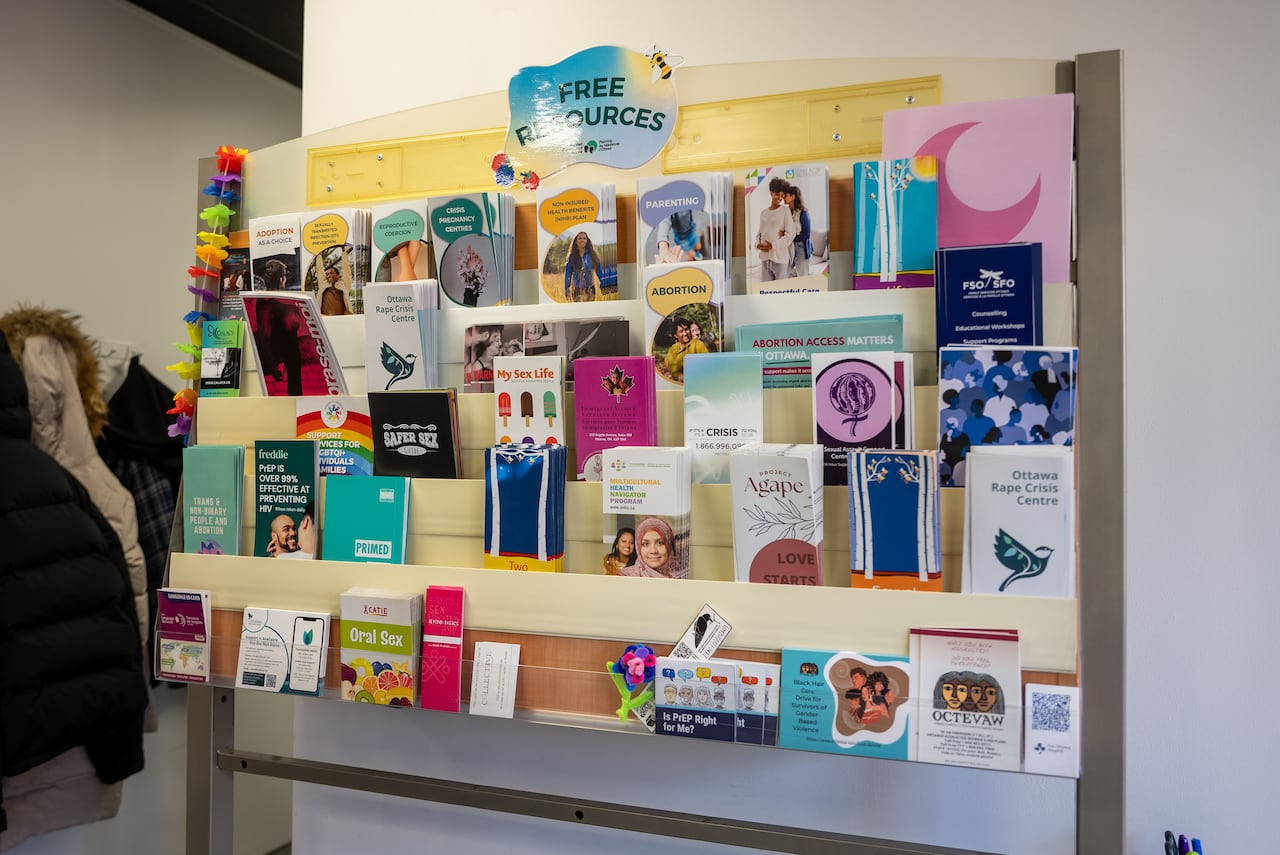 Planned Parenthood Ottawa will not be continuing its Affirm program, which offered systems navigation support for those seeking gender-affirming care. (Jacob Taillefer Racine/CBC)
CHEO said the contract to fund the program was signed before the hospital expanded its own gender services.
MAX Ottawa, a queer health organization in the city, has also been working with Planned Parenthood Ottawa to take over some of that work.
“We’re already doing very similar work and we already have funding for very similar work,” said its executive director Adam Awad.
Long-term funding still up in the air
Andrew Townsend, a health promotion officer with Action Canada, the national Planned Parenthood federation, said while it’s great that the services offered through the Affirm program are being picked up, it’s rare.
“We’re seeing that donors are changing their priorities and shifting to different areas for donations or [are] even … unable to afford to donate because of the economic situation right now,” he said.
“That is causing a lot of organizations to have to make tough decisions around staffing, around program delivery, around hours they’re open.”
Evans says Planned Parenthood is equipped to sustain its current level of service for more than a year thanks to a $45,000 multi-year grant from the Canadian Women’s Foundation and $80,000 in annual funding from the city.
“Assuming both of those continue and assuming that there’s no major changes to the fundraising or the donations that we receive, we are stably funded all the way through to the end of [October 2027],” she said.