
Why save for your children’s future?
Isn’t feeding and clothing them – and sending them out into the world with some semblance of cop on – not enough?
Well, of course the answer is a resounding “yes”.
But given how expensive third-level education has become, how costly it is to have even a modest wedding in Ireland, and how difficult it is for young people in 2026 to rent or buy a home, a long-term saving strategy might be on your mind.
This episode is the first in a new series of Better with Money.
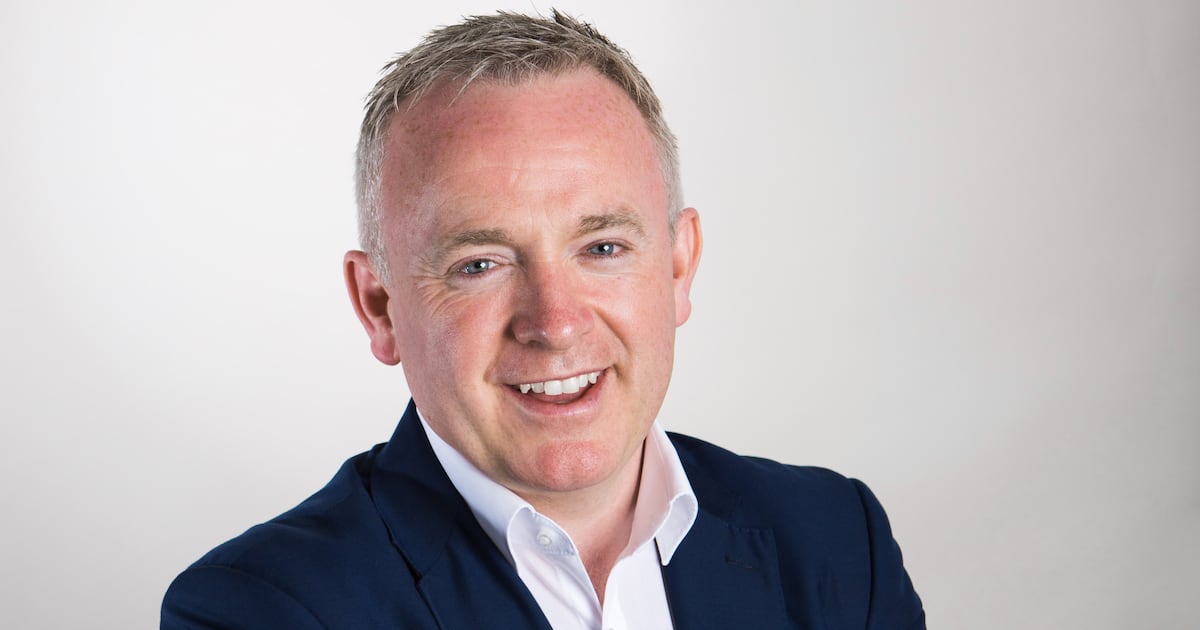
We speak to Robert Whelan, a qualified financial adviser and managing director of Rockwell Financial.
Whelan talks us through the process of saving for your children’s coming of age, and explains why the optimal scenario involves investing.
“ If your savings aren’t keeping pace with [rising costs] in terms of the inflation, which is the return you’re getting on them, you’re going to end up with a dramatic shortfall.”
He recommends forgetting the social media bluster and viral videos enticingly titled “how I saved 500k for my child”.
They are unhelpful and unrealistic.
“The biggest problem most people have is just starting. So just do it,” adding that no matter what you save, it’s better than if you had done nothing at all.
Crucially, he says, you should increase the monthly amount if your circumstances change for the better, like if you change jobs or get a promotion.
“ If your income and your capacity to be able to spend is increasing every year, you should be inflation protecting your contributions, your premiums.
“So that €100 a month in 2026 maybe is €170 in 2044, if that makes sense. And that is the secret sauce to saving and investing.”
Whelan explains the annual gift exemption, also known as the Small Gift Exemption.
“If I have a pot of money and I say, well, I want to pass that to my child. Well, the most tax efficient way to do it would be – if there’s two parents for instance – would be to pass €6,000 a year to the child, because that’s €6,000 a year goes to the child tax free.”
We also discuss the ways in which we can teach our children the value of money and why they shouldn’t be tempted by buy-now-pay-later schemes.
He also shares the financial advice he wishes he gave his 18-year-old self, and how “late” he left it to take out a pension – despite working for a pensions company.
You can listen to this episode on the player above, or search for Better with Money wherever you get your podcasts.