
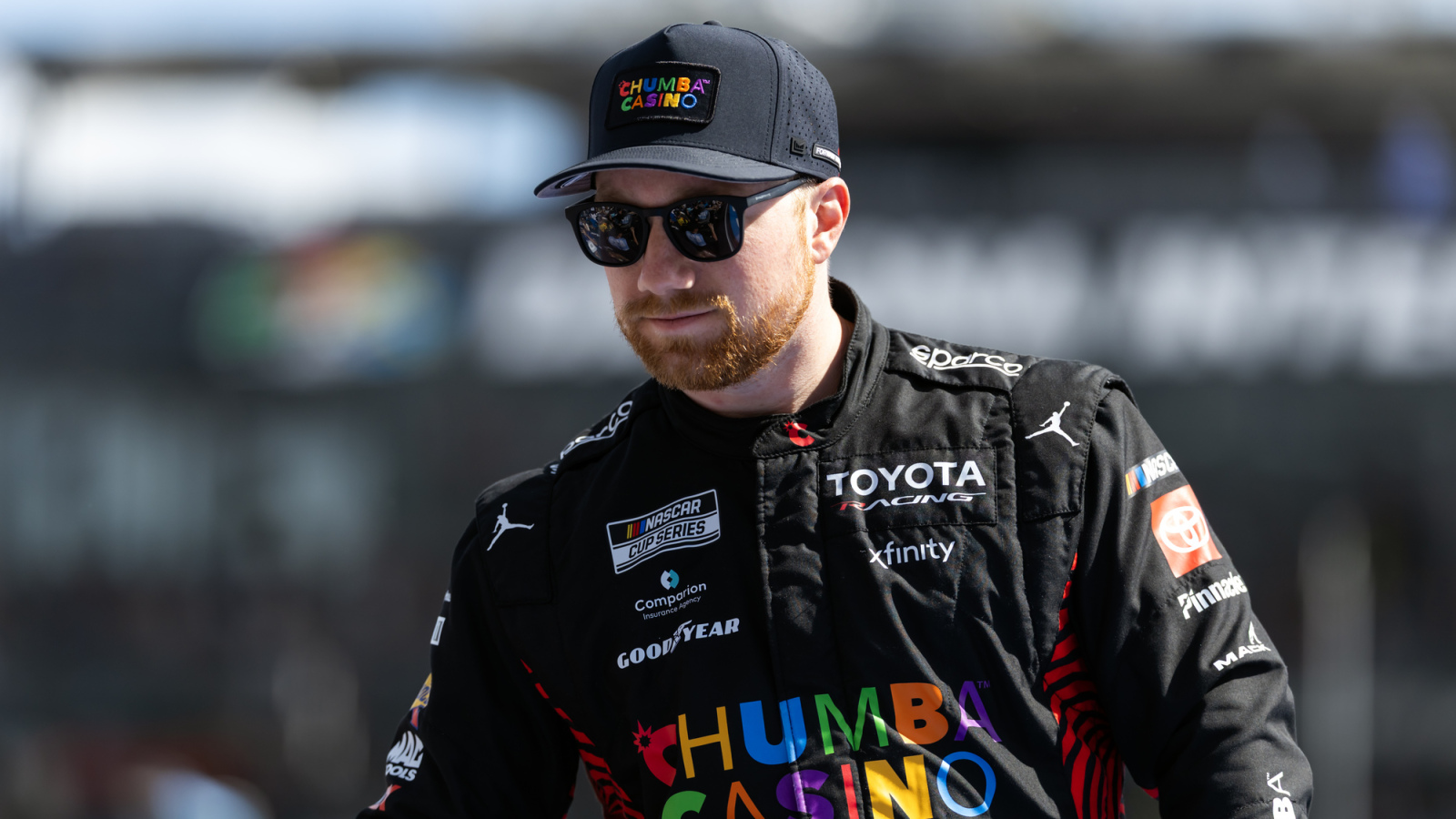
Two races into the 2026 NASCAR Cup Series season, Tyler Reddick has already amassed a 40-point lead over Bubba Wallace in the Cup Series standings.
A pair of wins in the Daytona 500 and Autotrader 400 at Atlanta to open the season under NASCAR’s new Chase format has proved that winning might be more important than at any time in NASCAR history regarding the title fight.
Race winners receive 20 more points (55 vs. 35) than the race’s runner-up, excluding stage points. That’s a 15-point increase from a season ago and is the reason why Reddick is already half a race up on the field in points.
Reddick’s 40-point advantage is also the biggest points lead a Cup Series driver has had after two races since Matt Kenseth won the first two races of the 2009 season and led Jeff Gordon by 81 points after two races. Kenseth’s large gap came when NASCAR awarded the winner 15 more points than second place (185 vs. 170) and used a system with more total points up for grabs.
Reddick is the first driver since Kenseth in 2009 to win the first two races of a season. That huge lead is so important for Reddick because it sets the foundation for a run at the No. 1 seed in the Chase. The driver first in the standings after 26 races will be given a 25-point lead over the second-place driver after the regular season finale at Daytona. That advantage is a massive reward going into the 10-race postseason that will feature zero points resets.
Why winning matters more
NASCAR’s elimination-style, win-and-in playoff format (2014-25) was an attempt to place a premium on race wins. Drivers were and always will be inherently driven to win, but with a victory guaranteeing a playoff berth or a spot in the next round of the playoffs, a race win was a de facto golden ticket.
But that system had its flaws. Every race win equaled five “playoff points,” which at the beginning of each playoff round, was added to the base layer of points given to each playoff driver. Drivers with the most wins, therefore, had more insurance to work with as they tried to advance to the next round.
But that did not guarantee that a driver with the most wins would reach the Championship 4, let alone win the title. In 2020, Kevin Harvick won nine Cup Series races but missed out on the Championship 4. In 2019, Matt Crafton essentially broke the playoff format by winning the NASCAR Truck Series championship in a winless campaign.
Winning was the backbone of a championship-caliber season in the playoff era, but that format also put a lesser emphasis on consistency and forced drivers to make more desperate moves.
Winning a slew of races will not guarantee a championship in the new Chase system, either, but it will ensure that race winners are given fair points compensation and that the drivers who win the most races, provided they don’t consistently implode when they’re not winning, will sit near the top of the standings.
Reddick’s hot start is just the first example of NASCAR’s new format more adequately rewarding race winners and ensuring that drivers are incentivized to win races — but not to the point that a quest for the checkered flag forces them to make ill-advised decisions.