
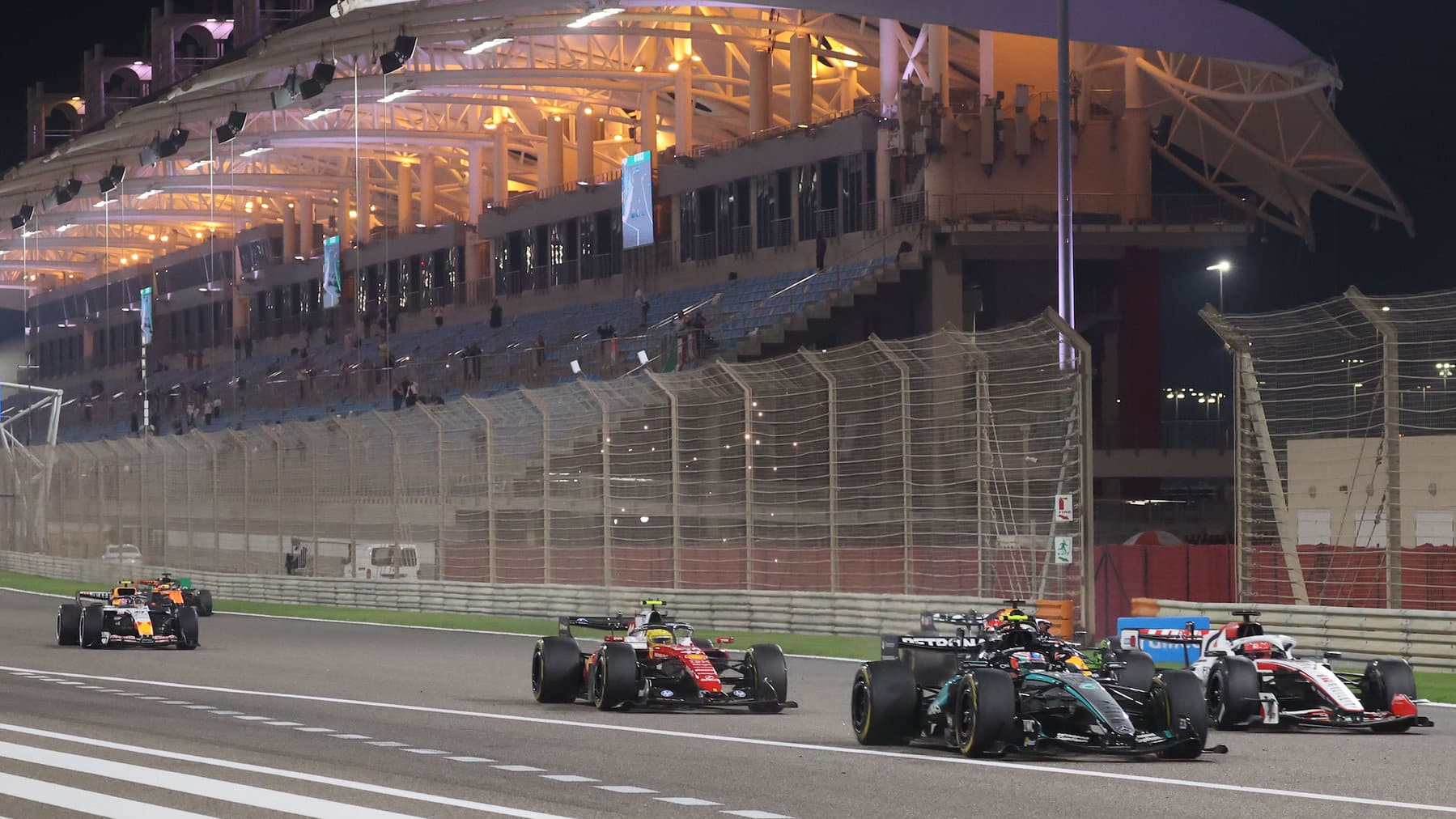
The caveat is that Haas’s history is littered with strong winters followed by difficult seasons, as the team knows better than most.
The 2016 squad that burst onto the scene was the last time pre-season truly delivered on its promise for the American outfit, and there have been too many spring fades since to entirely trust the early form.
What is different this year is the underlying reliability: rarely has a Haas car run so cleanly over such an extended programme.
Haas has earned the right to be taken seriously heading into Melbourne, and if this level proves to be anything close to representative, it will start the year well ahead of where it finished in 2025.
7. Racing Bulls
Racing Bulls benefited from one of the most pleasant surprises of pre-season: the Red Bull-Ford power unit has been everything the team could have hoped for in terms of performance and reliability.
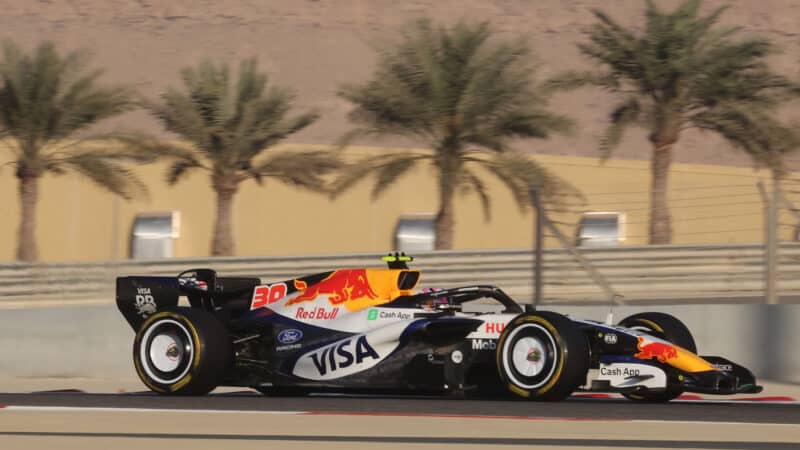
Racing Bulls looks unlikely to mix it up with the top teams
Grand Prix Photo
Mileage across the six days was excellent, and the Faenza-based team was among the more productive on track.
Liam Lawson looked composed and purposeful, and rookie Arvid Lindblad — the youngest driver on the 2026 grid — showed genuine promise, accumulating impressive lap counts as he acclimatised to Formula 1 machinery at pace.
The honest assessment, though, is that Racing Bulls is likely to be where it tends to be: a well-run team with capable drivers that finds itself competing for the upper reaches of the midfield rather than the points positions occupied by the top four.
The engine is a genuine asset, and early race simulation data suggests it could be fighting the likes of Alpine and Haas rather than settling for the back of the midfield.
If that is roughly where it ends up, it would represent some progress, but in true Racing Bulls fashion, nothing to write home about.
8. Williams
Williams is definitely one of the teams that is not where it wants to be. The Grove squad came into 2026 already on the back foot, having missed the entire Barcelona shakedown due to production delays on the FW48, and it showed.
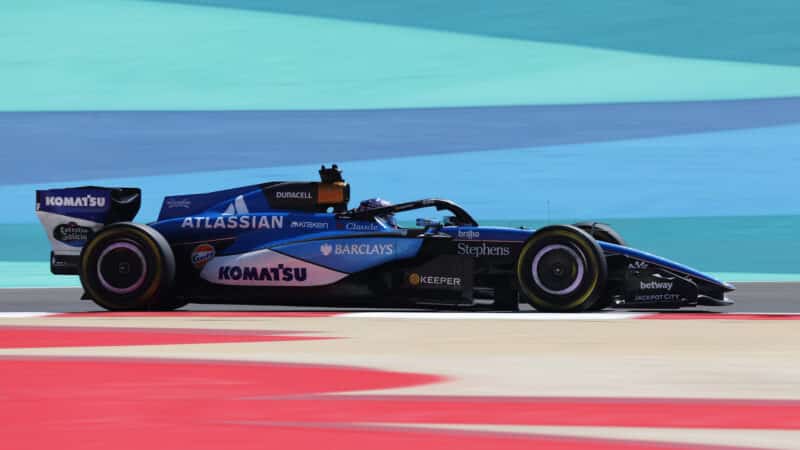
Williams is not where it expected after a strong 2025
Williams
Its priority in Bahrain was therefore to rack up mileage and complete the programme it had not been able to run in Spain, and on that metric it broadly succeeded, finishing among the leading teams for total laps completed across the two tests.
Carlos Sainz and Alex Albon both sounded measured but not alarmed in their post-test assessments, and the team appeared to work through its full test plan.
The concern, however, is that running the programme and being competitive are two different things.
The sense from within and around the paddock is that the FW48 lacks the mechanical grip and stability under braking that Williams found so effectively last year, when the team achieved its best constructors’ finish in nearly a decade.
Williams is also understood to be overweight, which will be addressed through development, but it is a known deficit heading to Melbourne.
The 2026 car looks like a step back for now, and Williams’ ceiling this season may depend heavily on how quickly it can lose weight and find the missing performance.
9. Audi
For a team entering F1 as a full manufacturer, Audi’s pre-season has been a solid if unspectacular foundation.
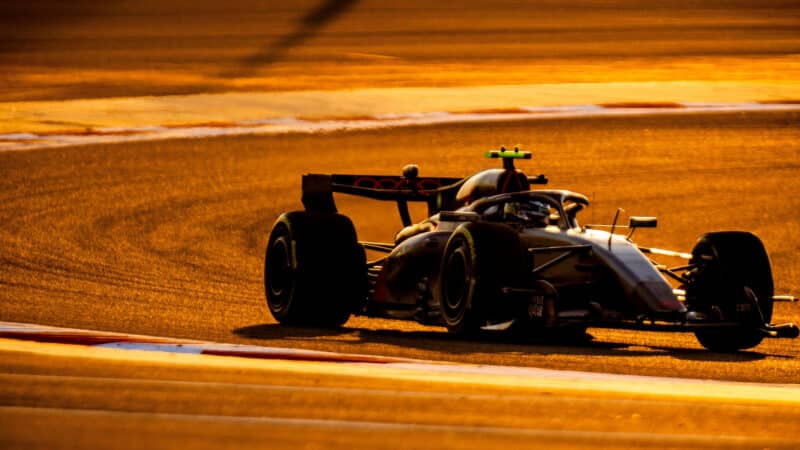
Audi will be fighting near the end of the midfield
Grand Prix Photo
The R26 had an inconsistent first week — early technical problems in Barcelona and reliability niggles in the first Bahrain test left the team frustrated — but the second week showed what the team is genuinely capable of, with a significant upgrade including revised sidepods among the changes introduced, and the lap count climbing meaningfully.
By the end of the programme, Audi had come close to 1000 laps across all tests.
The realistic expectation is that Audi will occupy the fringes of the midfield early in 2026, with the team essentially still carrying the infrastructure of what was Sauber while deploying an entirely new power unit and gearbox.
The early problems those components caused were concerning but not catastrophic, and the trajectory through testing was upward.
Project leader Mattia Binotto acknowledged that the list of work after the first test was the longest he had ever seen, which is a remarkable statement from a man who once ran Ferrari, but also suggested that such thorough documentation of problems is, in its way, a positive sign.
Audi knows where it stands. Now comes the task of improvement.
10. Aston Martin
There is no polite way to frame what happened to Aston Martin in Bahrain: it was a disaster.
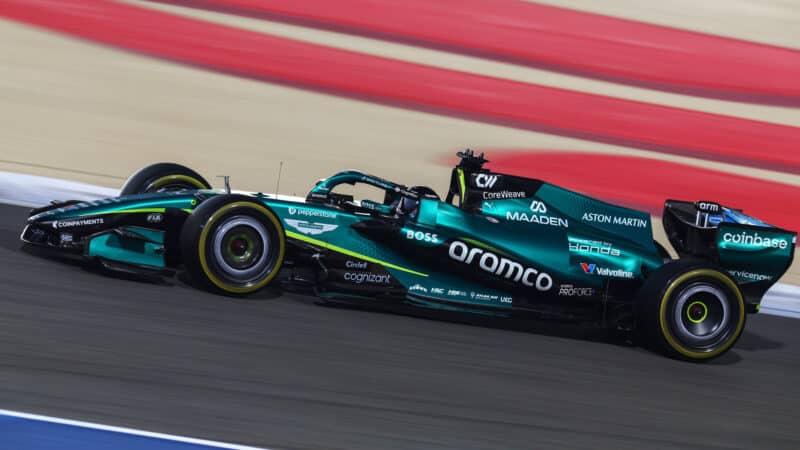
Aston had a miserable pre-season
Aston Martin
What had already been a difficult first test week became demonstrably worse in the second, with a power unit issue keeping the AMR26 in the garage for four hours on the opening day, a battery-related fault ending Thursday running prematurely, and the final day yielding just six laps before the team ran out of spare Honda components and called it a day.
Across the six days in Bahrain, Aston Martin recorded the fewest laps of any team by a significant margin.