
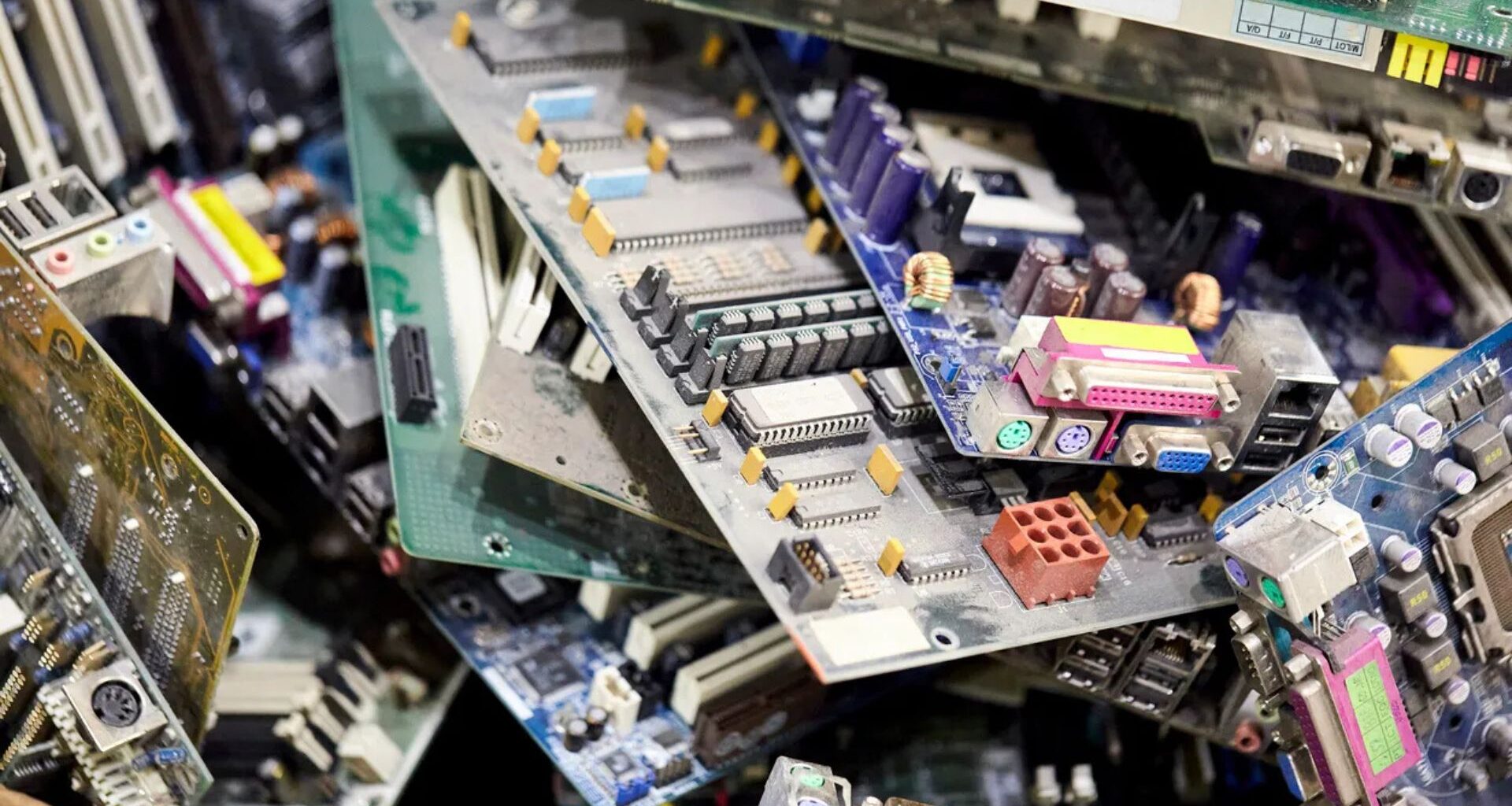
E‑waste in the United States may soon be more than a growing environmental problem.
Researchers at the University of Houston have developed a new supply‑chain model that could make recycling electronics into critical minerals profitable, transforming discarded devices into a stable domestic source of materials like gold, lithium, and cobalt.
E‑waste is the fastest‑growing solid waste stream in the world and includes everything from old phones and tablets to batteries and circuit boards.
When tucked away in drawers or sent to landfills, these devices create hazards like leaking toxins and fire risks from aging batteries. More importantly, they represent a massive loss of valuable materials the U.S. currently imports.
That loss is strategic. Materials like lithium and cobalt are essential for electric vehicle batteries, advanced electronics, military systems, and renewable energy technologies.
Securing their supply is a major national priority as global demand surges and geopolitical tensions tighten access to foreign sources.
But making recycling a profitable business has long been a barrier. E‑waste recycling involves a fragmented web of manufacturers, independent collectors, processors, and recovery firms, each with different incentives and cost structures.
Coordinating these players into a cohesive system has been the missing link.
Collaborative cost-sharing model
Professor Jian Shi, associate professor in the UH Cullen College of Engineering, said many Americans already hold unused devices that contain valuable materials.
“A lot of people have iPads or old iPhones sitting in their drawers right now, and that’s a waste of a critical resource,” he said.
“Urban mining allows us to extract the same high‑value materials found in traditional mines without the environmental destruction. More importantly, it helps secure our domestic supply chain for the technologies of tomorrow.”
To change the economics of recycling, the UH team mapped interactions across the e‑waste ecosystem and developed a collaborative cost‑sharing framework.
This structure would allow manufacturers, waste collectors, and materials recoverers to shift from competition to partnership, sharing profits more equitably and making recycling financially sustainable long‑term.
“The challenge is that recycling systems are complicated and expensive,” Shi said. “Different companies handle sales, collection, processing and material recovery, which can make coordination difficult and limit large‑scale recycling efforts.”
Profit meets purpose
Professor Kailai Wang, assistant professor of industrial engineering, referenced the bottleneck the model addresses.
“The bottleneck isn’t just the technology, it’s the coordination,” he said. “The big question we’re answering is how to make responsible recycling easier and financially attractive for everyone in the chain.”
Graduate researcher Chuyue Wang noted that an integrated system could ensure critical materials stay within the U.S. supply chain.
“We can improve the performance of the entire recycling ecosystem and make the profit distribution more balanced,” she said. “This ensures that the materials we need for EVs and advanced electronics stay right here in the U.S.”
Shi added that recycling at scale offers a strategic advantage. “By making recycling work at scale, we aren’t just cleaning up waste — we’re building a foundation that benefits both our national security and our economy.”
The research model addresses economic coordination challenges and suggests a pathway to sustainable, profitable e‑waste recycling that strengthens domestic mineral supply. The findings support broader efforts to secure critical materials without new mines.
The study appears in Scientific Reports.