
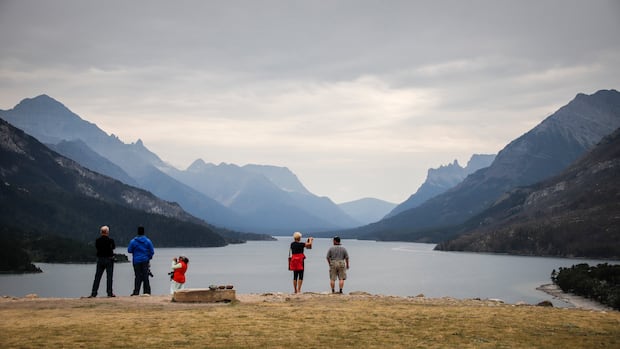
Canada’s plan to more than double nature protection is creating thousands of jobs, a new report says, with the potential for billions of dollars more in tourism and hospitality revenues if the government continues funding conservation.
The report from the Canadian Parks and Wilderness Society (CPAWS) says that conserved and protected areas — provincial and national parks and local conservation areas — were responsible for 150,000 jobs in the 2023-24 fiscal year.
Two-thirds of those jobs were directly related to conservation works and running those parks, while one-third were in related fields that supported those areas, such as wilderness outfitters and tourism.
“We really want to emphasize that nature is not an empty lot, that these protected areas bring immense value, that when we put money into nature, we’re putting money back into our own pockets,” said Jason Wong, economic analyst at CPAWS.
LISTEN | CBC’s What on Earth visits some of Canada’s natural gems:
What On Earth25:19How much is Canada’s wilderness worth?
Nature gives us joy, wonder, and beauty. It also brings big bucks. Trillions of dollars, according to the Canadian Parks and Wilderness Society. It says in a new analysis that tens of thousands of jobs are among the benefits when Canada’s wilderness is protected. Plus, we do the climate a solid. But there are worries that Ottawa may not keep up the stable funding needed to protect enough of Canada’s lands and water for future generations.
The new look at Canada’s conservation economy comes amid federal cuts to departments like Environment and Climate Change Canada and the Parks Canada agency, while other important conservation programs face funding uncertainty.
As Ottawa turns its attention to shoring up the economy in the face of U.S. trade threats, the CPAWS report is trying to argue that conservation should also be seen as a financial boon, rather than simply a cost for the government.
The CPAWS report said that in 2023-24, conserved and protected areas contributed $10.9 billion to Canada’s GDP, as opposed to the $1.8 billion the federal government spent on those areas. They also generated $6.6 billion in wages and $1.4 billion in taxes from visitors.
Compared to numbers from a similar analysis done in 2008, the report said the contribution to GDP had risen by about 50 per cent — a trend it said could continue as Canada plans to scale up nature protection and establish several new national parks.
Who benefits from parks?
The majority of conservation jobs are in rural areas, and Wong says most of the benefits go to those communities as well. While a lot of the jobs are seasonal or temporary, Wong said they still create long-term green infrastructure.
That’s what one Indigenous community in Ontario’s Georgian Bay is trying to build. Point Grondine Park is a privately run park just east of the more famous Killarney Provincial Park. It belongs to Wiikwemkoong First Nation, an Ojibwe community on Manitoulin Island, which started operating the park in 2015.
The park aims both to protect the land, which is important for the community’s traditional practices, and share some of that culture with visitors, said Luke Wassegijig, the community’s tourism manager and Point Grondine’s park planner.
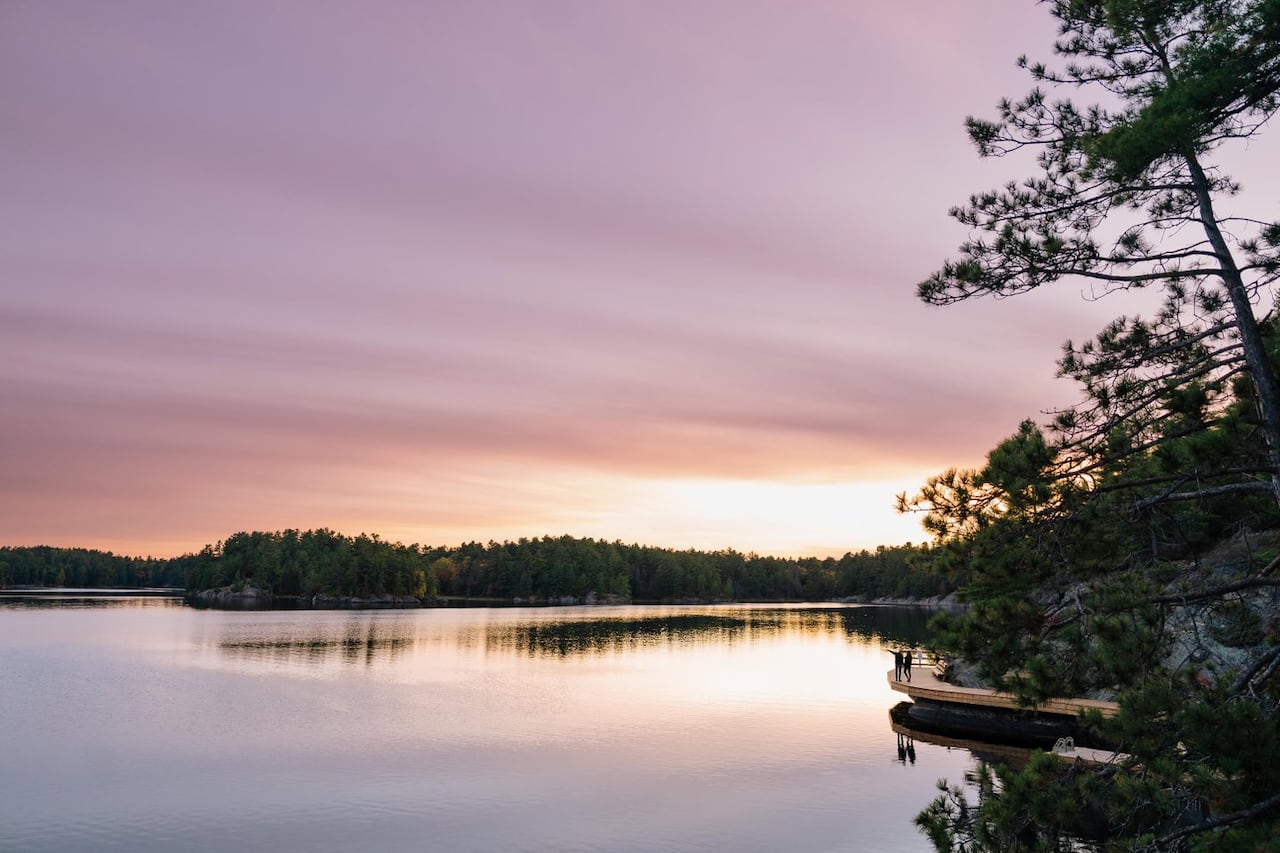 Point Grondine Park, just east of Ontario’s Killarney Provincial Park, is managed by an Indigenous community that wants to attract tourists and campers while still conserving areas important for ecosystems and traditional practices. (Submitted by Luke Wassegijig/Point Grondine Park)
“That’s where Indigenous tourism comes in … where we allow our people to tell our story through our lens and also to share that philosophy, to share that culture,” he said.
Neighbouring Killarney looms large, however. The CPAWS report pointed out that a large chunk of financial activity goes to the bigger parks, and Wassengijig says it can be hard to stand out in the shadow of provincially funded parks that are better known.
“Really it’s not about competing with private businesses or … any other parks in the region,” he said. “It’s about adding to the destination mix, adding that signature Indigenous tourism experience.”
By developing Point Grondine, he said, Killarney and the surrounding businesses could gain visitors, too, spreading around the benefits. Point Grondine has an ambitious plan for expansion in the next couple of years, with construction on new campsites, glamping cabins and a visitor centre.
“It’s good for the region, right? It means more visitation. It means more bums in beds. It means more visitors to the park,” he said.
“But also for us, it allows us a way to protect our lands, and then also to create employment opportunities.”
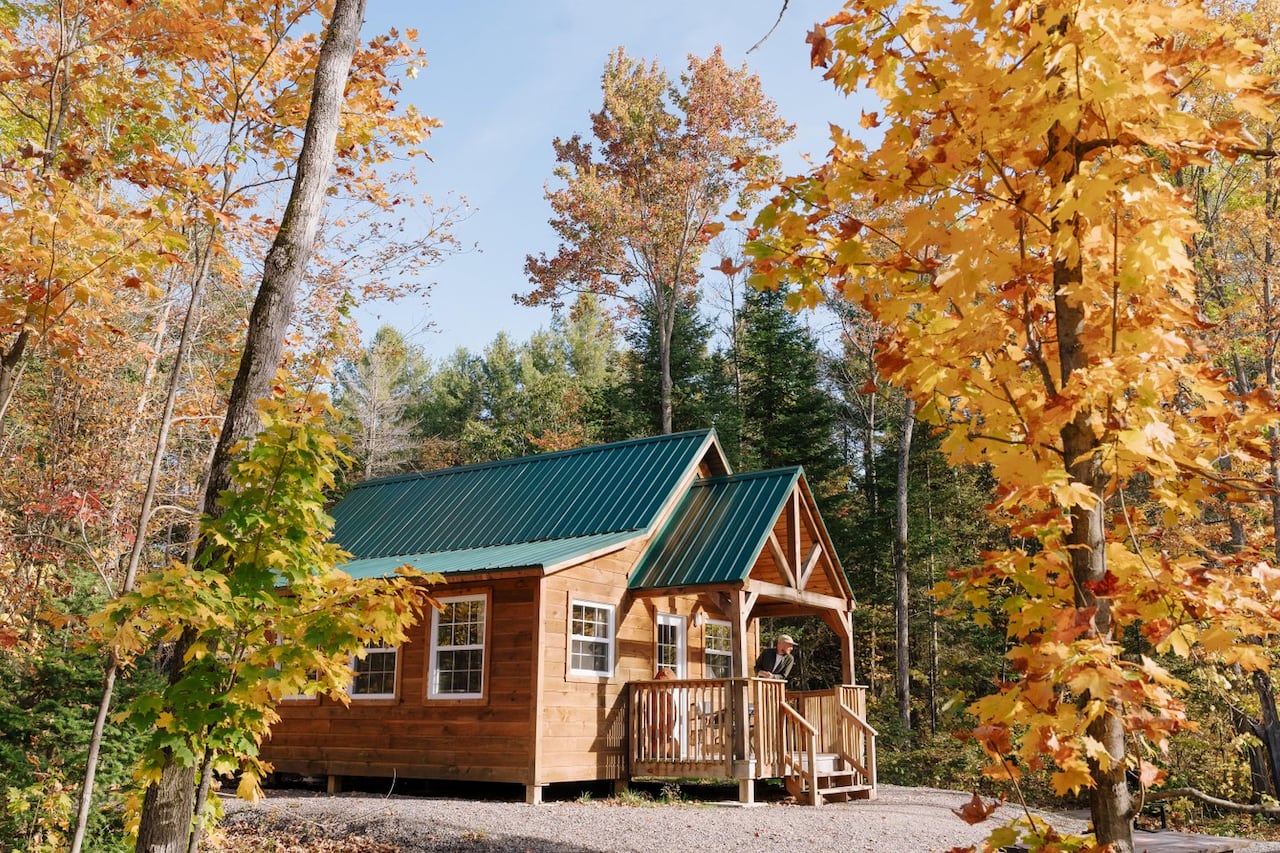 An eco cabin at Point Grondine Park. The park is building more cabins like this to attract visitors — which could drive up tourism revenues throughout the region. (Submitted by Luke Wassegijig/Point Grondine Park)Building careers in nature
Working at a national park was how Sean Nichol started a career in conservation. When he was 22, he spent the summer and fall of 2022 at Waterton Lakes National Park, a park in the Rockies in southern Alberta near the U.S. border. Nichol said it’s not as well known as Banff or Jasper, but rather a “hidden gem.”
“Just being able to live in a national park, that was really special. So I took all the opportunities I could. I learned to fly-fish in the mountains. I did a lot of hiking,” Nichol said.
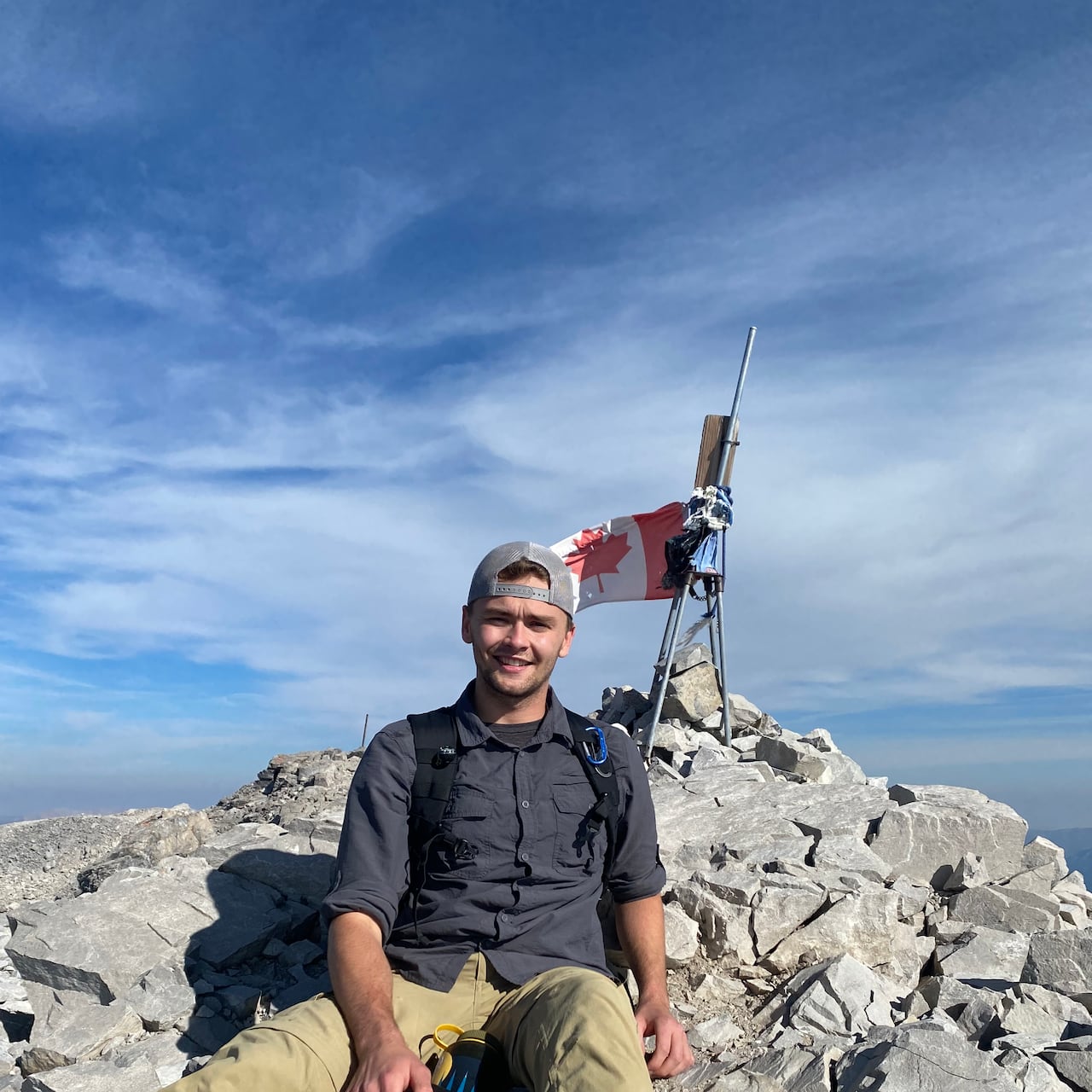 Sean Nichol during his summer job at Waterton Lakes National Park back in 2022. Nichol has since stayed in the field, and hopes to build a long-term career working in parks and conservation. (Submitted by Sean Nichol)
He spent that summer working in the campgrounds and at the visitor centre, where he spoke with tourists from Canada and abroad and guided them around the park. That stint in a national park inspired Nichol to stay in the field, and he now works seasonally as a conservation officer in Manitoba.
“It’s a perfect balance between being outdoors, working with wildlife and being able to educate and share information with the public,” he said.
Canada’s 2030 nature goal is to protect or conserve 30 per cent of the country’s lands and oceans. That means nearly doubling the amount of protected areas by the end of the decade, a huge undertaking that will require funding.
“There is this vast potential when we fully invest in these particular areas and that reaches across this economic, social and health lens,” Wong said.
CPAWS has raised concerns about that money. The Indigenous Guardians program, which funds positions for Indigenous community members to carry out conservation work in their traditional lands, has not had its funding renewed beyond the end of March — yet.
In a statement, Keean Nembhard, a spokesperson for Environment Minister Julie Dabrusin, said the government remained committed to the 30 per cent conservation goal, noting that as of December 2024, 13.8 per cent of lands and inland waters have been conserved in Canada.
“The government will have more to share on its upcoming nature plan soon,” said Nembhard.