

Listen to this article
Estimated 3 minutes
The audio version of this article is generated by AI-based technology. Mispronunciations can occur. We are working with our partners to continually review and improve the results.
London’s nickname as ‘The Forest City’ just became more official after the Canadian Institute of Forestry named it the 2026 Forest Capital of Canada.
London was selected for leading the way in areas such as forest conservation and management, and environmental stewardship.
“London’s urban forest is a defining part of our city and a source of pride for our residents,” London Mayor Josh Morgan said in a statement.
“Being named the Forest Capital of Canada is an honour, one that reflects how we live up to our nickname and reflects the hard work, dedication, and passion of our community, city staff, and the many partners who help care for and grow our urban forest.”
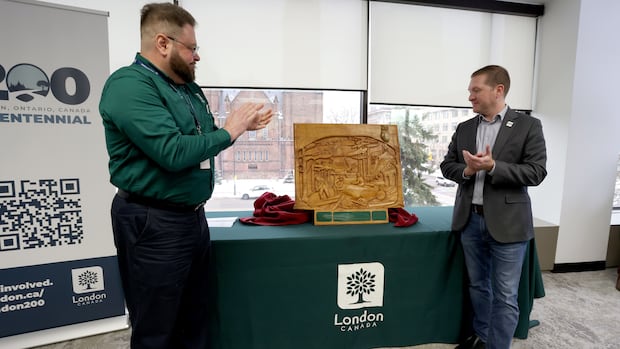
A commemorative Forest Capital of Canada plaque was unveiled at London City Hall on Wednesday.
 As the 2026 Forest Capital of Canada, London will now play host to a year-long series of tree-themed events, from tree giveaways to educational talks. (Dave Chidley/CBC)
The Canadian Institute of Forestry gives out the designation annually, and requires communities to submit a business case proving its capacity to host “a 12- to 24-month celebration of forest resources,” according the organization’s website.
“It is a very competitive award, so we’re really fortunate to be receiving it,” said Paul Yeoman, the city’s Director of Parks and Forestry. “We’re also really proud that we’re the the first large urban that’s been awarded, especially in southwestern Ontario.”
Yeoman said building the case for the award had been in the works for a couple of years.
Previous winners include the Mackenzie Region of Northwest Alberta, which won in both 2024 and 2025, and the Greater Fredericton Area of New Brunswick in 2023.
Seven million trees
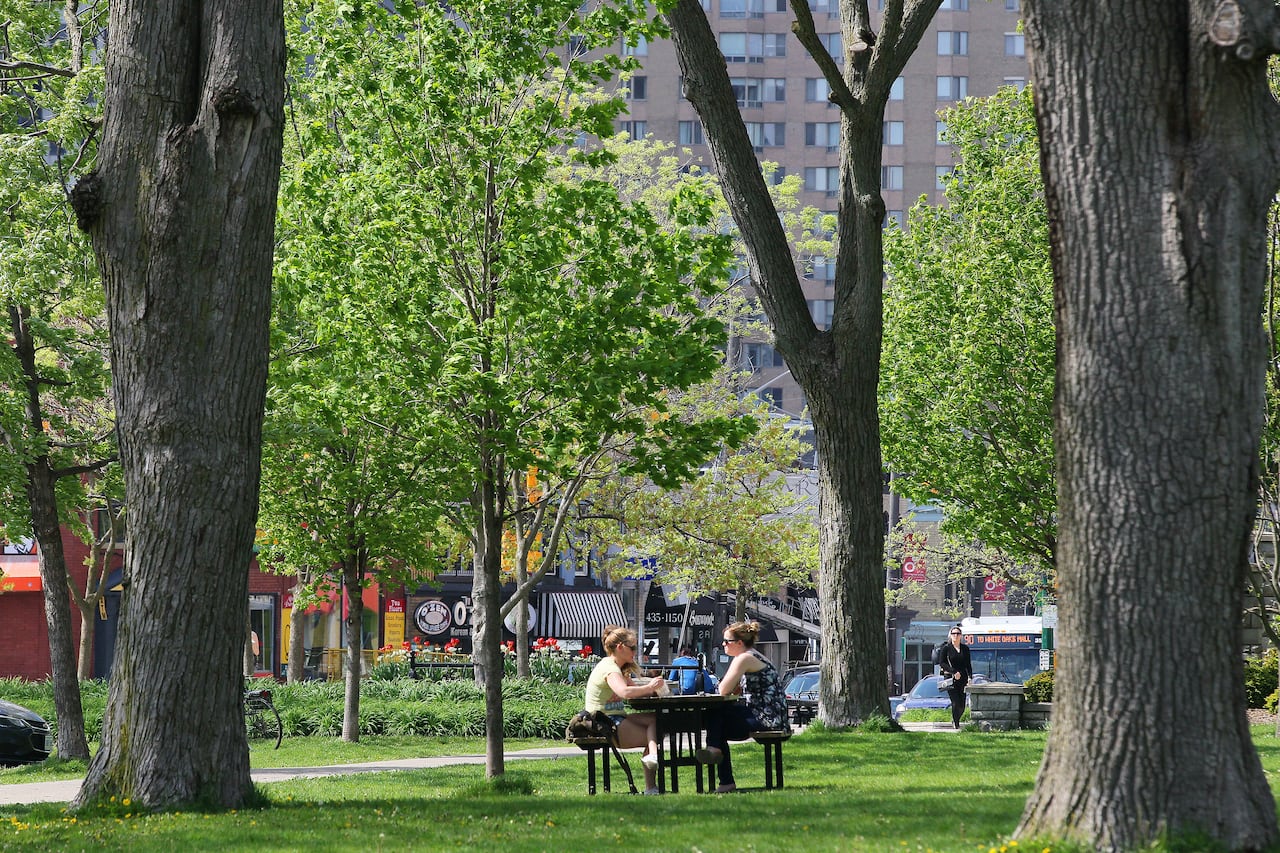
London is home to seven million public and private trees, said Yeoman. The tree canopy covers around 27 per cent of the area within the city’s urban growth boundary, and the city has a goal of increasing that to 34 per cent in the next four decades.
“We’re really proud that when you drive into the city, you really do notice the canopy,” Yeoman said. “Particularly in the fall, it’s absolutely beautiful.”
The city also manages 290 woodland areas, and 21 Environmentally Significant Areas, he added.
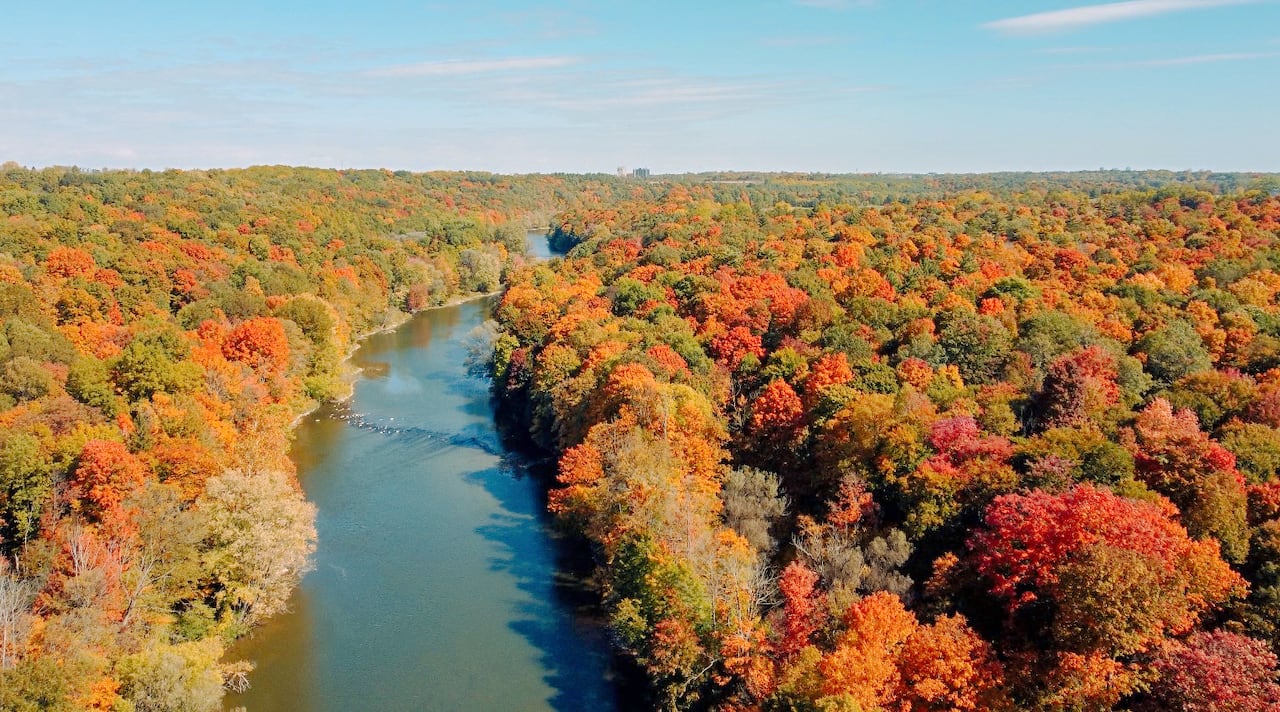 London’s tree canopy covers 27 per cent of the area within its Urban Growth Boundary, according to the city. (Travis Dolynny/CBC)
As this year’s Forest Capital, that massive tree coverage will now be showcased through a series of events, including tree giveaways, and “treevnings” (trees in the evening), a series of educational talks with topics like the importance of trees, and tending to fruit trees at home.
Events will also be held for National Forest Week from September 20 to 26. A full list of the events and dates can be found on the city’s website.
As the designation is awarded yearly, Yeoman said London will be vying to win it again after this year. “We’ll just continue to do the great work to carry it on next year as well.”