
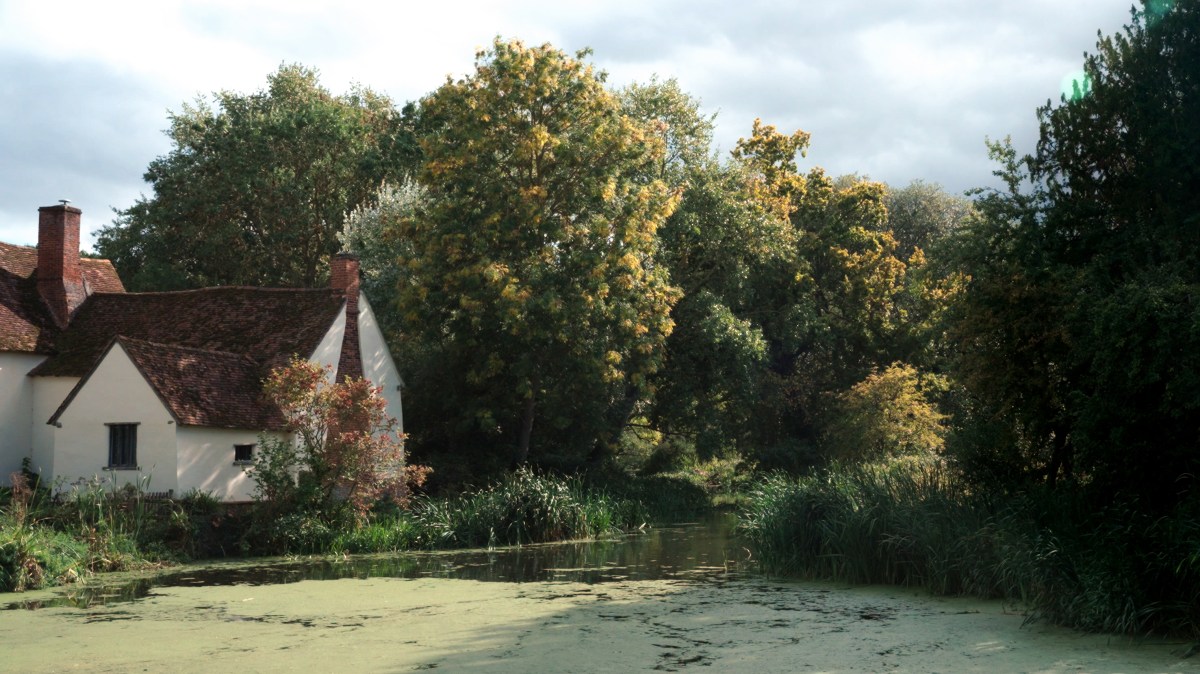
If I were a purist, I would say, “But of course you must see the exhibition in the flesh. But of course you must press your nose to the canvas, stand inches from greatness, commune with the spirits of John Constable and Joseph Mallord William Turner.” I am, however, a realist. There are all sorts of reasons why you might not make it to the Turner & Constable exhibition at Tate Britain: small children, bad backs, working hours, tickets all being sold out on the one damn day you’re in town. As I am often reminded in the comments below reviews, not everyone lives in London.
The Exhibition on Screen documentary Turner & Constable is not just the next best thing, it is a very good thing in its own right. The film-makers David Bickerstaff and Phil Grabsky have form. Their take on the smash-hit, shoulder-to-shoulder Vermeer blockbuster at the Rijksmuseum in 2022 became the highest-grossing art documentary in UK history. They have also made films about Van Gogh (National Gallery), John Singer Sargent (Tate Britain) and Edward Hopper (Whitney Museum, New York).

The White Horse by John Constable, 1819
• Read more art reviews, guides and interviews
In reviews of the Tate exhibition, critics — we like a fight — have pitted the two artists against one another: Turner and Constable — The Rivals. Which artist staggers out of the final room with a bloody nose and which with the laurel wreath? The triumph of the exhibition is the way it upends your expectations. I went in on Team Turner and came out a Constable convert.
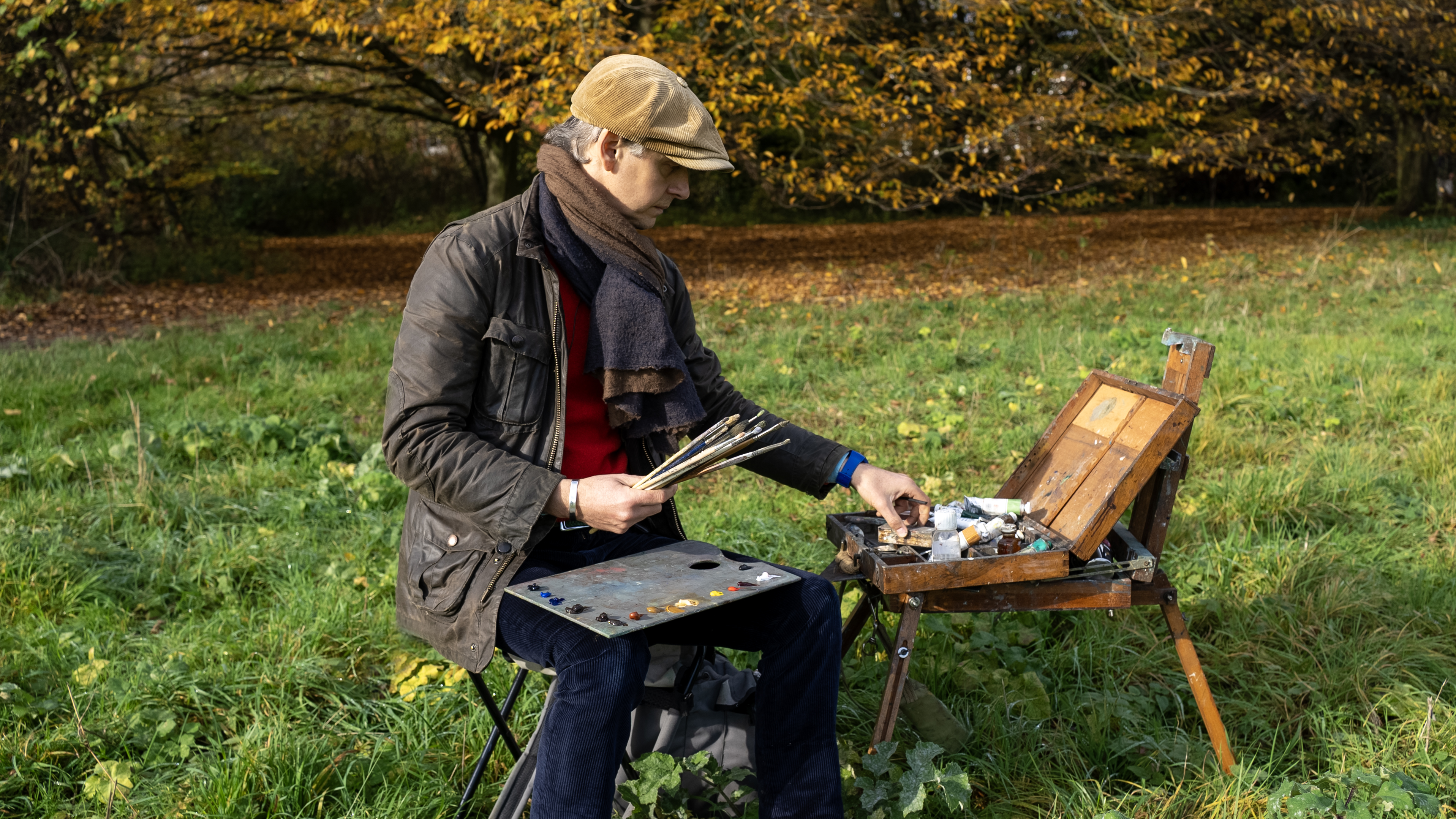
The painter Lachlan Goudie explains how Constable and Turner worked
DAVID BICKERSTAFF
The film takes a less pugilistic approach. Our leading guides are the Tate curators Amy Concannon and Nicola Moorby. The wall-texts in the exhibition are top-drawer — engaging, insightful, without jargon — and the curators’ gift for intelligent exposition is carried into the documentary. The tone is clever and conversational; never obscure, nor talking down. The otherwise excellent recent BBC Arena documentary LS Lowry: The Hidden Tapes was marred by a tendency among the talking heads to impose present preoccupations and psychology on a man who wouldn’t have understood them if they had bitten him on the ankle. There’s none of that here. Turner and Constable are presented completely as men of their time. There is also none of the hand-wringing and finger-wagging that bedevilled the Tate’s last big 18th-century exhibition, Hogarth and Europe.
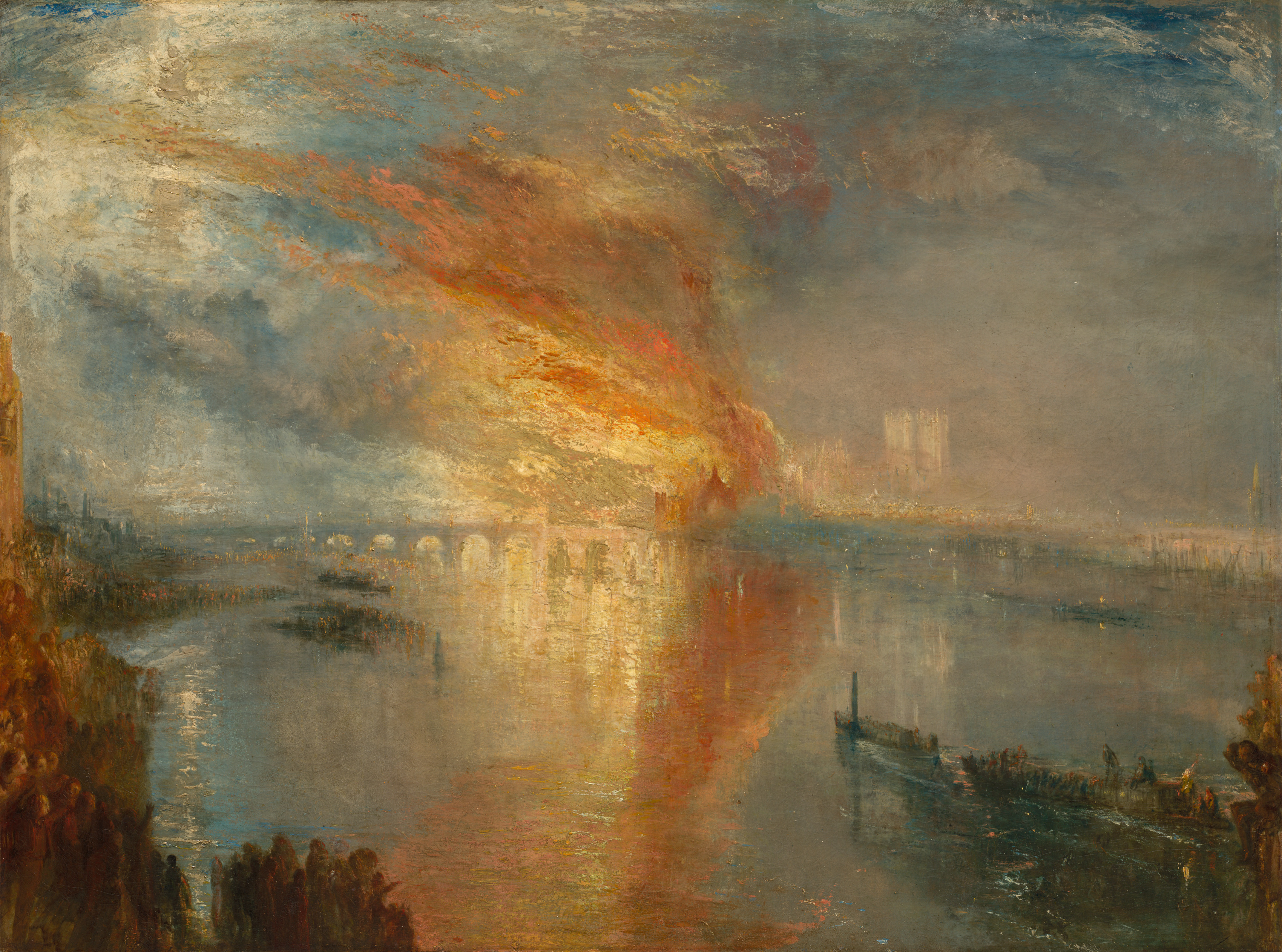
Turner’s The Burning of the Houses of Lords and Commons, 16 October 1834
The painter Lachlan Goudie takes on the technical challenge of explaining how Constable and Turner sketched, set down the colours of the clouds and the sky and carted their oil paints around in pigs’ bladders, pricking the skin with pins to release the paint. The pace is leisurely — more carthorse than storm at sea — and makes the BBC’s Civilisations look all the more desperately ADHD BC. The camera is allowed to pan across each painting, taking in every brushstroke and even cracks in the canvas. I watched a preview on a laptop. It’ll be better yet on the big screen and a plush cinema seat sure beats a lone backless gallery bench.
★★★★☆
In cinemas from March 10
Two-for-one cinema tickets at Everyman
Times+ members can enjoy two-for-one cinema tickets at Everyman each Wednesday. Visit thetimes.com/timesplus to find out more.
Which films have you enjoyed at the cinema recently? Let us know in the comments.