
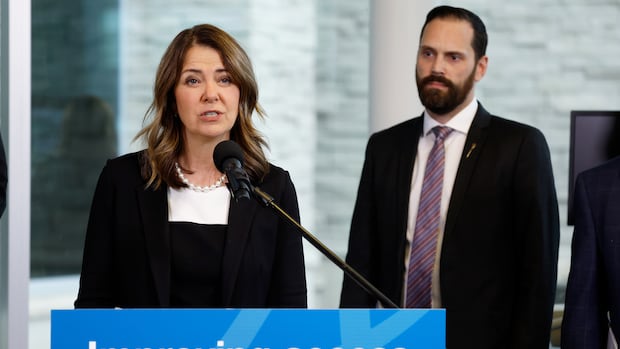
Alberta Hospitals Minister Matt Jones says he doesn’t blame doctors for the delay in a core initiative to address extreme pressures in the province’s emergency departments.
Jones said Tuesday he’s hopeful the government and doctors can still find a way to hire the emergency department triage liaison physicians he previously promised for Feb. 1.
“I’m optimistic we can find a solution. There’s two sides to this, and I take accountability for our side of it,” he said at an unrelated news conference in Calgary.
Jones made the pledge in January in an effort to expedite patients through emergency rooms in the wake of stories of suffering and potentially preventable hospital deaths.
His latest remarks come a day after Premier Danielle Smith was more blunt. When asked for an update on the file, she pointed to the Alberta Medical Association, which represents doctors.
“I would just suggest you ask the AMA,” she said Monday.
AMA president Dr. Brian Wirzba said in a statement in response that weeks of confusion among government ministries and agencies about who is responsible for contract conditions had left negotiations in limbo.
Wirzba’s statement also said the government wasn’t following an agreement the AMA had already made with the province about how the parties would negotiate this type of employment contract for doctors.
“Contrary to what was stated in a government press conference today, the delay has not been on the AMA’s end and not solely related to the compensation rate,” he wrote Monday.
WATCH | Triage liaison role delayed:
Rollout of triage liaison physician role at Alberta ERs seeing delays
Alberta’s government had previously announced that some doctors would begin working as triage liaison physicians in select emergency rooms starting Feb. 1. But ER doctors at those sites say that hasn’t happened yet.
Wirzba said doctors want to take on the jobs, and there is no time to waste in resolving the issue when the public is rightfully concerned about the emergency department “crisis.”
On Tuesday, Jones said he has met with emergency physicians who are willing to work in the role. He has $20 million over two years approved to implement it in nine hospitals across Alberta, starting with six — split up between Edmonton and Calgary.
“[I’m] certainly not blaming the AMA,” Jones said.
When asked twice about the government failing to follow the negotiation process laid out by the master agreement Tuesday, Jones reiterated that the government continues to engage with the AMA.
A late January letter from the AMA’s section of emergency medicine outlined seven sticking points with government’s proposed contract.
They relate to pay rates, administration burdens, and liability protection for the special ER doctors.
Jones said, so far, the government has agreed to one adjustment for after-hours pay.
“We’re happy to work through those, although we can’t work through them immediately. It does take time,” said Jones.
He said a meeting with the doctors’ association is scheduled later this month, with more meetings to follow as part of the negotiation of a broader pay agreement.
Alberta doctors’ four-year master agreement with the province is set to expire on March 31.
Jones has said he wanted to move negotiations about the triage doctors into broader negotiations with physicians.
On Tuesday, he said any changes to doctors’ pay would be “evaluated by other health-care workers,” suggesting other doctors and health professionals could point to triage doctors’ compensation as a precedent in negotiations.
Province responsible for delivering promise, say critics
Jones did not offer a timeline for when the triage liaison position might finally be implemented.
If both sides can’t come to terms soon, Jones said short-term contingency plans include looking to bring in nurse practitioners, triage nurses, or boosting emergency room budgets.
Jones first announced the program at the same January news conference where he announced a fatality inquiry would be held into the December death of a 44-year-old Edmonton man who died in the Grey Nuns’ Hospital emergency room.
Prashant Sreekumar’s family says he waited eight hours with chest pain before being seen, and died shortly after.
Alberta’s Opposition NDP has painted the original announcement as a communications exercise in response to concerns about ER wait times, rather than an effective solution for patients.
NDP primary health critic Sharif Haji told reporters in Edmonton on Tuesday that it makes no sense for the government to lump negotiations for the short-term triage doctors, who were supposed to be an emergency measure, in with broader contract talks with physicians.
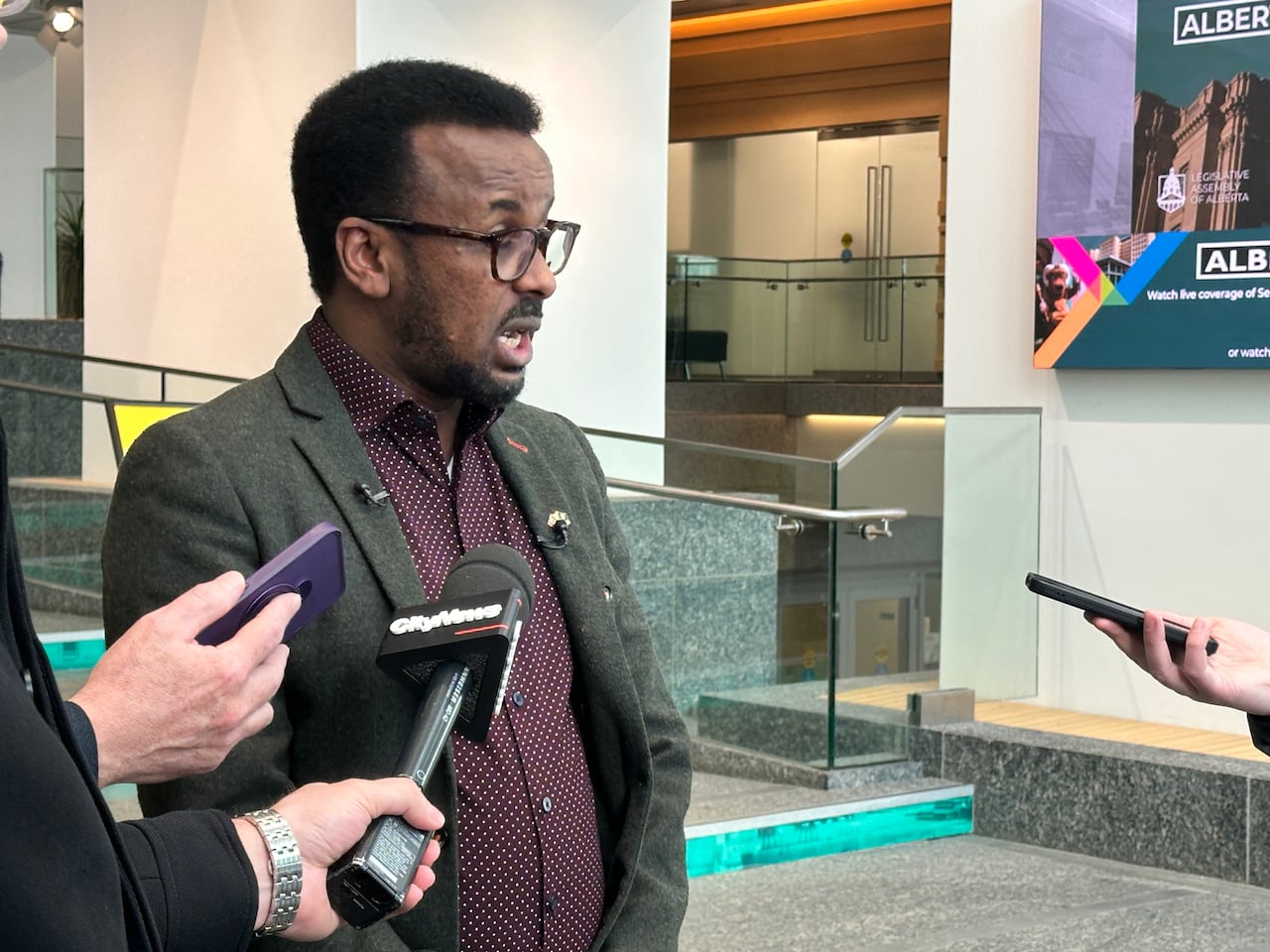 NDP primary and preventative health services critic Sharif Haji speaks to reporters in Edmonton’s Queen Elizabeth II building about his concerns about the government’s response to crowded emergency rooms. (Craig Ryan/CBC News)
“What I’m seeing now is that a blame game is happening, which is something that we really don’t need today,” Haji said.
He said the United Conservative Party government has a poor track record of negotiating with unions, municipalities and other organizations.
“You don’t throw [doctors] under the bus when you already have a meeting scheduled with them. How do you expect that conversation will go?” he said.
Chris Gallaway, executive director of Friends of Medicare, said while the government touts increases of the numbers of nurses and doctors registered to practice in Alberta, it has far more work to do increasing capacity across the health system to stop the bottleneck of seriously ill people in emergency rooms.
Albertans continue to spend unacceptably long times waiting for care in crowded ERs, and rural residents worry about temporary emergency room closures becoming permanent, as staff are in short supply, he said.
Gallaway said it’s inappropriate for the government to blame the AMA for not having triage liaison physicians in place because Jones announced the program and the start date without negotiating first with doctors.
“If they weren’t in a place to deliver on that, that they should own that decision and that responsibility,” he said.
Gallaway says the impasse suggests tension between the AMA and government as they go into general negotiations. He says that environment doesn’t bode well for recruitment and retention or doctors, which could negatively affect patient care.