
What to know
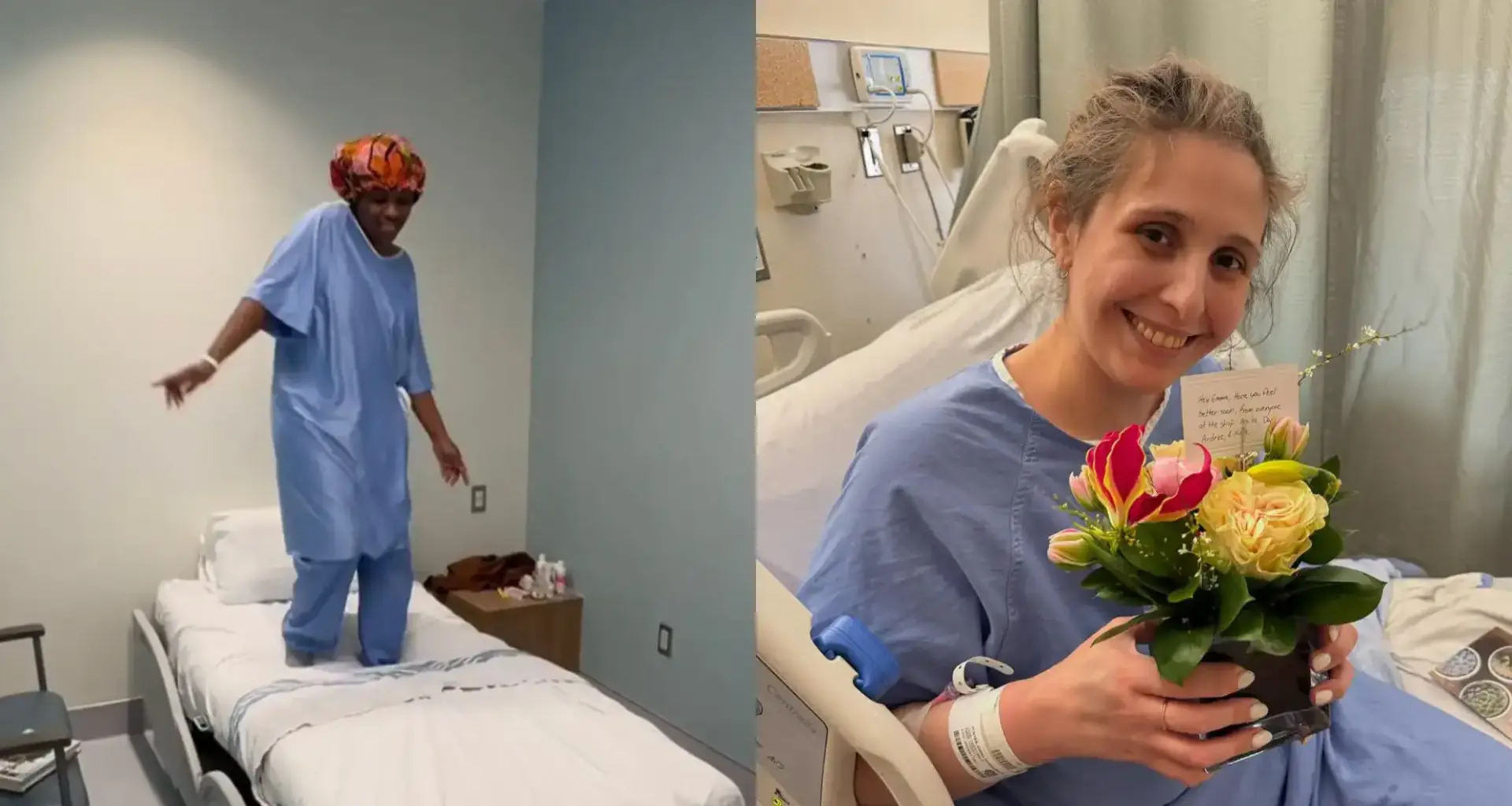
Toronto resident Emma Turner documented her stay at CAMH in a social media video that gained more than 400,000 views, giving viewers a glimpse into daily life as a mental health patient
Turner says sharing her experience was meant to show that hospitalization for mental health support is not what people often see on TV, and that seeking help should not carry shame.
Another Toronto resident, Irene Aleobua, has also been sharing her journey living with bipolar disorder online, hoping to encourage open conversations about mental health within the Black community.
Both patients say CAMH provided not only medical care but also routines, activities, and community support designed to help people stabilize and build healthy habits after leaving the hospital.
Two Toronto residents are breaking mental health stigmas by revealing what it is like to be a patient at CAMH.
Toronto resident Emma Turner has been struggling with mental health since she was a little girl. But it was not until last April that she felt she needed more than a therapy session every few months to recover.
“The first time, I was feeling really unwell mentally, [with] suicidal ideation. I had a lot of anxiety, my OCD (Obsessive-Compulsive Disorder) was really, really bad. I was spending hours a day on it, so I just felt like I couldn’t handle it on my own anymore. Even with my therapist, I felt like I needed more support,” she told Now Toronto.
Having grown up in Toronto, Turner said she had always seen advertising for the Centre for Addiction and Mental Health (CAMH), Canada’s largest mental health teaching hospital, and so, she decided to apply for help. She ended up staying there for a month, until her depression eased up.
Having no idea what it was like to be admitted, Turner said she’d always wished to know what it was like to be a patient at CAMH. So, when she was admitted into the hospital for the second time in January, she thought it was her turn to do something to break mental health taboos in her community.
“I probably should have gone to the hospital years ago, but I never got to see what a day in the life is like at the hospital. And it’s the kind of content I would be curious to see if I was thinking about going to get inpatient support,” she said.
“I wanted to help break the stigma of mental health hospitalizations. And it’s not always what you see on TV…It’s not always someone you would suspect. Like, I can go to a social gathering or a party and I look pretty normal, but I go home, and then I’m struggling with these issues. So, I just wanted to show that you don’t have to be the most mentally ill person to still need support.”
After being admitted to CAMH again in January when her depression and suicidal inclinations came back, Turner documented the experience and shared a video on social media showing what it was like to be a mental health patient.
The video quickly gained attention online with over 400,000 views. There were also several comments from people who related to her experience or were on the lookout for support themselves.
“The messages I get, private ones and comments, really push me to keep going, because people do tell me that they got healthcare because of me, and that’s like, wow. Like, I can have an impact on people, or if I can make someone feel like they aren’t weird if they want to try and get an inpatient experience at CAMH,” she said. “I just want to influence people to show that you can get help and not be a pariah and not be judged.”
Breaking mental health stigma
Turner is not the only patient to open up about looking for mental health support. Another Toronto resident, Irene Aleobua, is also sharing her journey online, hoping to inspire her community to seek help.
“I think it is so important that Black people talk about mental health openly, because when I went through my episode, there were so many people who didn’t know what happened to me, but when I spoke about what happened to me, people were reaching out to me saying, ‘Hey, Irene, this happened to me too. Hey, Irene, my brother is going through the same thing,’” she said.
“I was like an advocate in my community for mental health, because it happens to so many people. Unfortunately, people just don’t know how to manage it.”
Aleobua has been diagnosed with bipolar disorder, a condition that makes a person experience extreme mood swings, fluctuating between periods of depression and elevated mood. She first looked for help in 2019 after she went through her first manic episode, a phase in which the person is continuously euphoric and happy or extremely irritable and aggressive.
“I had no idea what happened to me, like, no clue. My family, my friends, everybody knew there was something wrong with me, but they had no idea what happened to me…I got arrested, I went to the hospital. I went to a hospital in Canada. I went to hospital in South Africa, people like the doctors, were not explaining what was wrong with me,” she said.
Aleobua was first hospitalized at CAMH back then, and went back to the hospital about a month ago, when she said her loved ones alerted her the episodes had returned.
“CAMH saved my life. First of all, CAMH specialises in mental health. Right on top of that, I feel like healing is not done in isolation. Healing is done in community. They had a community. Not only did they have the facility and the care, but they also proposed you after you were discharged, like, there were groups, there were psychiatrists, there were programmes, there was just so much support,” she explained.
With thousands of views and hundreds of comments, the video has granted Aleobua several messages of support from her community online, with many talking about their own journey seeking mental health.
Having moved to Toronto from South Africa, Aleobua explained that mental health is often a taboo in her community. Her parents have even asked her to take the video down. But she hopes showing her journey will get more people in the community to talk freely about mental health and seek care.
“I can’t even put into words how we view mental health, and I’m so grateful that I’m in Canada, a country where I have the resources for mental health. We do talk about it, there’s support, there’s programs, there’s doctors. It’s just a completely different ecosystem that we have back home than we have here,” she said.
CAMH offers more than doctors
For both Turner and Aleobua, CAMH represented a lifeline when they needed help.
Besides having the support from mental health-specialized professionals, they say the facilities are also equipped with daily activities that patients can partake in, as well as plenty of community support.
“It’s not all about fun, but it’s about making you feel better and also helping you create routines for when you do leave the hospital. If you’re going to the gym, if you stop going to the gym, but then you start going at the hospital, hopefully you build on those routines once you leave the hospital,” Turner said.
In addition, keeping a set routine also helps patients slow down and find balance.
“They basically want to slow you down, right? And I get it. But sometimes, when you are manic, like, you want to do 50 projects at the same time…But they basically help you slow things down,” Aleobua added.
CAMH told Now Toronto that having patients share their stories online can in fact help reduce stigma around mental health.
“It takes courage to share a mental health journey publicly, and we recognize how powerful it can be when people with lived experience speak about their care. Stories like these can help reduce stigma and remind others that it’s okay to reach out for help,” a spokesperson said.
“At the same time, CAMH is dedicated to protecting the privacy and dignity of everyone who receives care. We are committed to ensuring that patients can focus on their treatment in a safe and respectful environment.”