

After the partnership with Bahrain-Victorious came to a close at the end of 2025, Merida finds itself without a WorldTour team and the subsequent publicity that comes with it this year.
But in what could be construed as a pitch for the team’s replacement for 2027, it has today launched its best aero road bike to date.
You may like
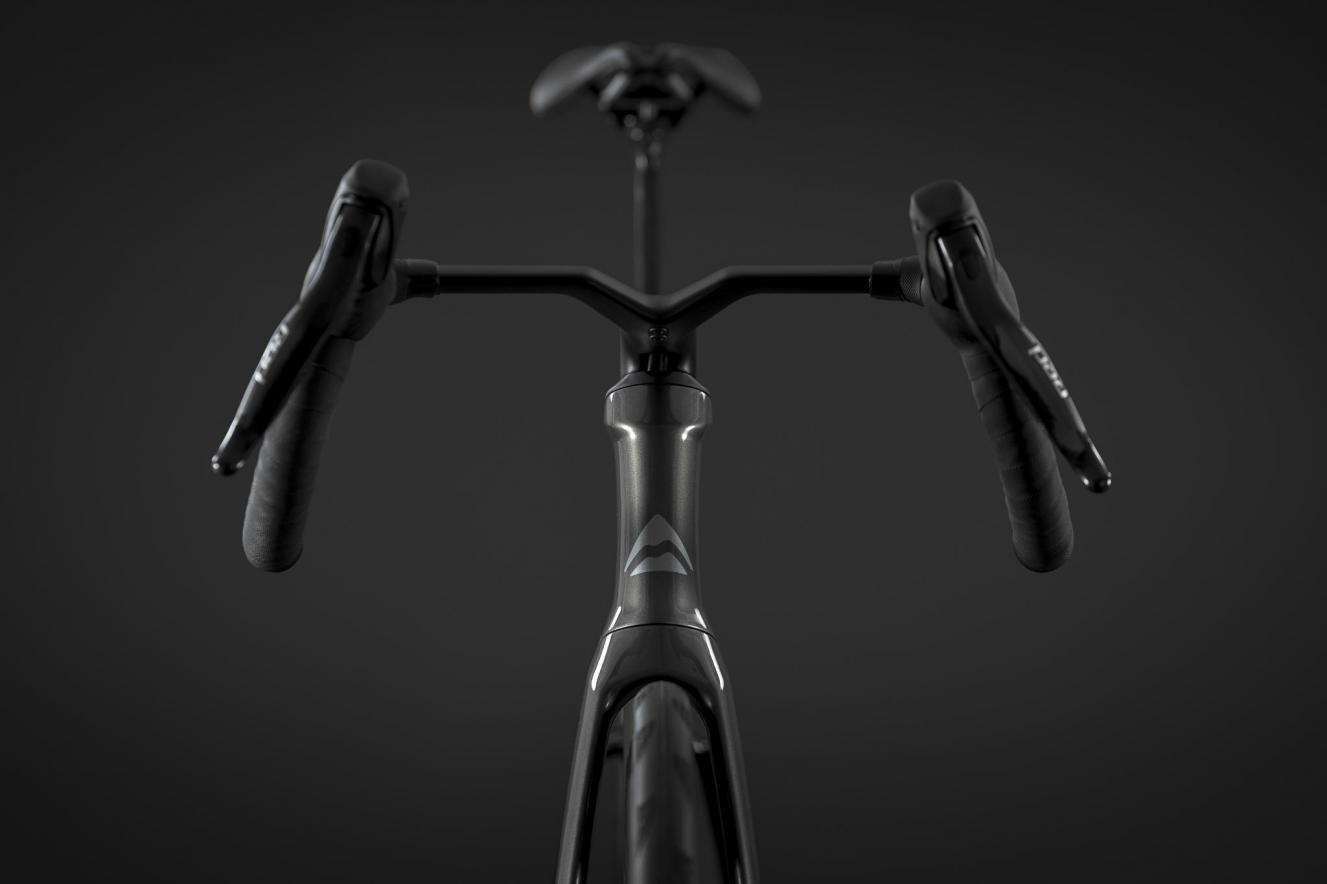
The ‘Seagull Wing’ design remains, but the width had to be adjusted (Image credit: Future)The illegal seagull
In this writer’s opinion, the most interesting part of the Reacto’s launch is the ‘Team CW 1P’ cockpit with its “aerodynamically optimised Seagull Wing design”. More specifically the fact that just a few months ago, Merida – working with Vision – was forced back to the drawing board by the UCI, after its initial design was ruled illegal.
We’ve probably all seen the new UCI rules that came into force in January 2026, and Merida, with its finger well and truly on the aero pulse, had a cockpit designed for the Reacto that is now too narrow to be used in UCI competition. But rather than just binning off all that hard work, the brand has just launched it as an amateur-only cockpit option.
What to read next
“Although we had to redesign the cockpit to comply with the new UCI rules, we didn’t want to lose all the drag reduction achieved with the original design. For riders not participating in UCI-sanctioned events, we can therefore offer much narrower cockpit options, helping them to achieve an even more aerodynamic – and faster – position,” explained the brand’s press release.
It’s unclear at this stage whether the ‘illegal’ cockpit is fitted to any of the off-the-shelf models or remains an aftermarket option. I’ve asked our contact at Merida, and I’m still awaiting a reply.
There’s a deeper irony to this whole situation, though. Much of the Reacto’s new cockpit design takes advantage of a relaxation of different UCI rules, expanding the positional ‘box’ a cockpit can be placed into on a bike, which came into force shortly after the previous Reacto was launched. Merida says this alone allowed them to find around five watts of aero drag.
The irony is that the prior rule change enabled bikes to go faster, and then the 2026 width rule was introduced to slow them down again.
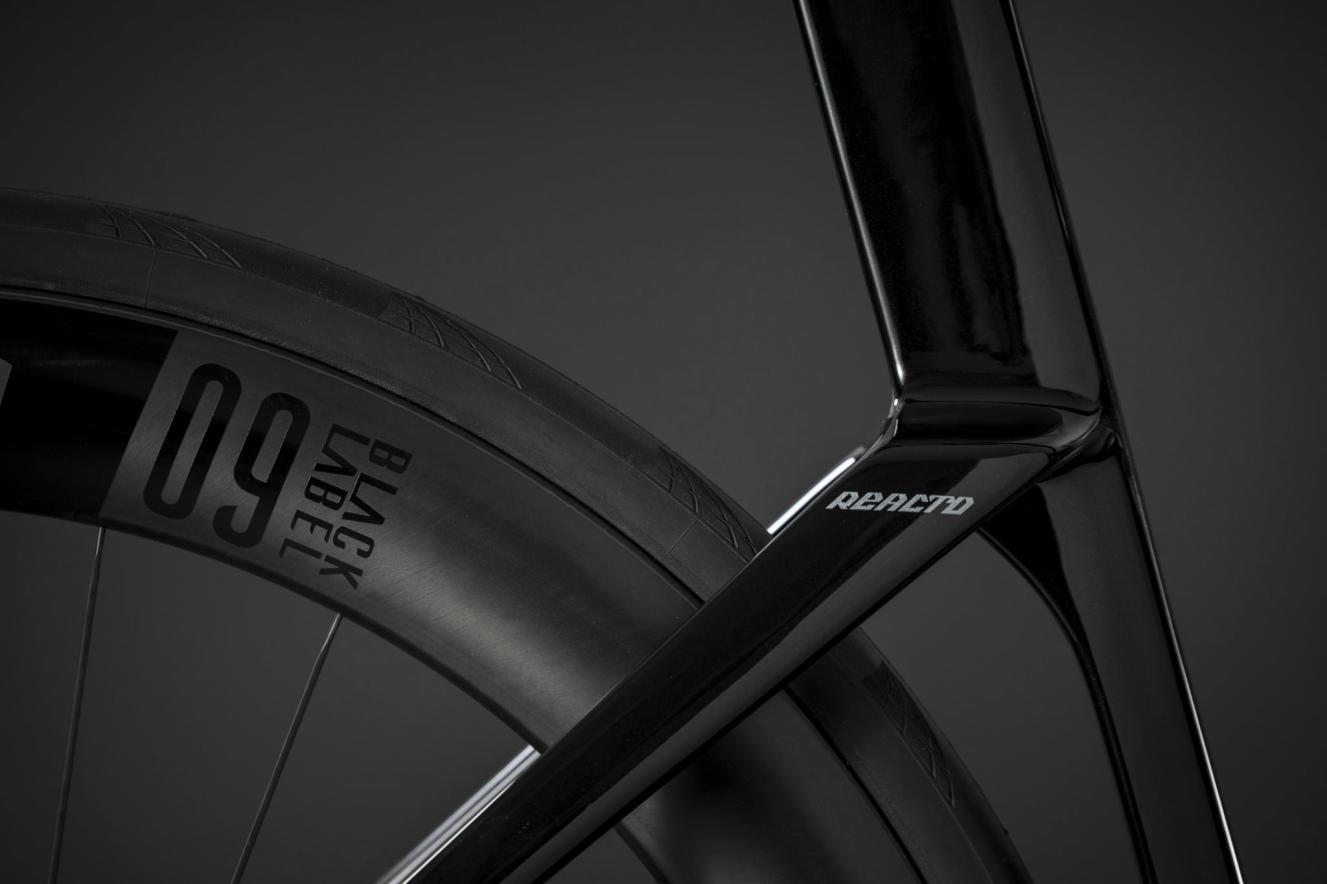
Reynolds was involved in the aerodynamic optimisation of the Reacto frame (Image credit: Future)Geometry
At a first glance over the geometry charts, you’d be forgiven for assuming that very little has changed, and numerically speaking, you’d be right. There are 2mm added to the chainstays and between 1mm and 3mm added to the wheelbase, depending on size. From a geo chart perspective, everything else is untouched.
Elsewhere, though, it’s a little more complicated. The seatpost, which is both narrower and lighter, has also been swapped out from the 15mm offset to a zero offset post, effectively putting riders in a more forward, higher position over the bottom bracket. Couple that with the narrower cockpit mentioned above and the increase to 32mm tyre clearance, and potential buyers may want to dust off their high school Trigonometry books to make sure everything fits as expected.
This is perfectly in line with the trend towards a more forward, aggressive position, but one that should be approached with some caution to avoid being positioned too high and so far forward that stability is affected and the risk of over-the-bar crashes becomes more likely.
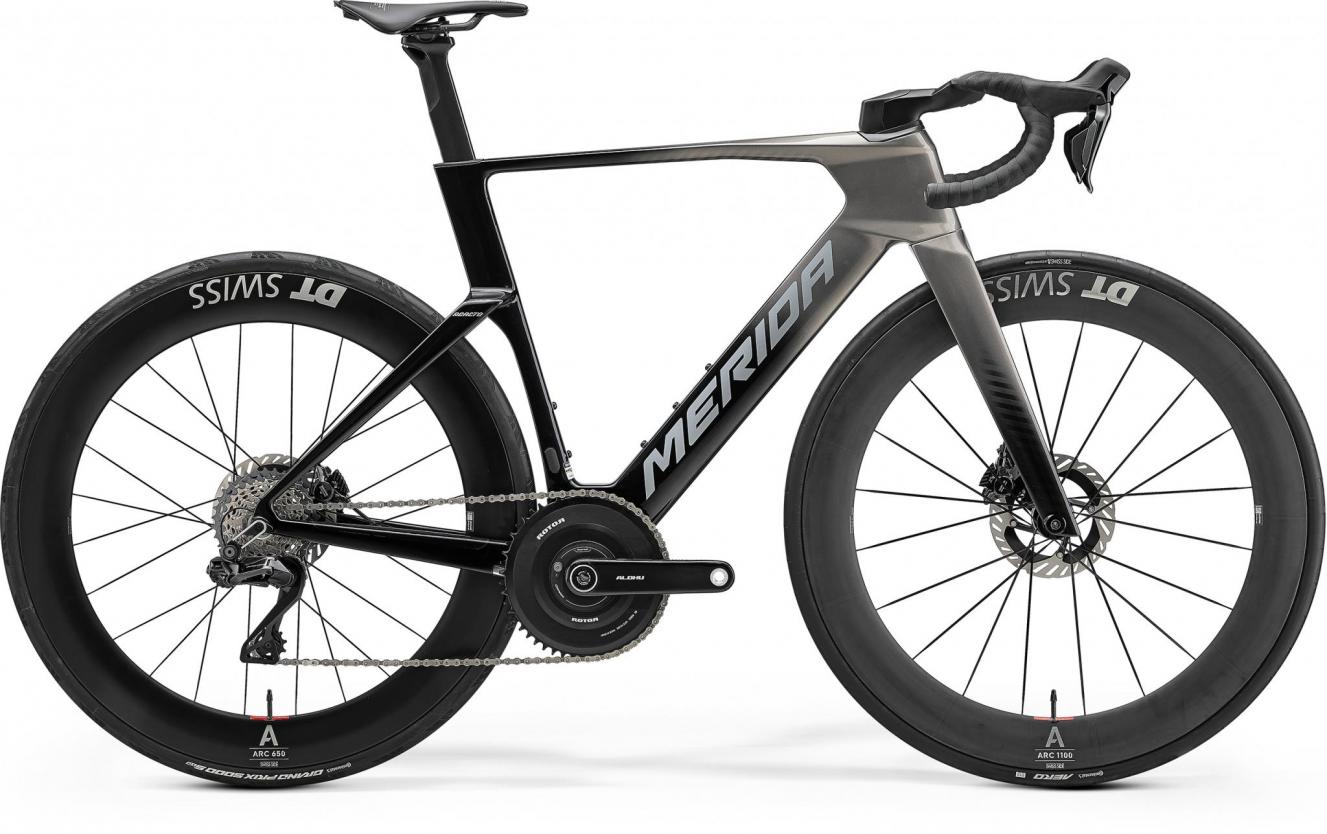
The Reacto One, complete with Classified Powershift hub and Rotor 1X chainset (Image credit: Future)Configurations
As is common with Merida, there are plenty of configurations available, each at varying price points to make the Reacto attainable at most budgets, starting at £2,400 / €2,800 for the Reacto 4000, and climbing to £10,000 / €11,500 for the Reacto ONE.
This starts with the carbon fibre layup, of which there are two options: CF5, which is the better of the two, and CF3, which is cheaper.
These use the same frame moulds, and thus offer the same aero performance (by themselves, although spec differences will invariably make the CF5 models faster), and are built to the same stiffness targets.
Their differences lie in the weight, which differs by approximately 235g for the frame by itself, and in comfort, although the cheaper carbon fibre is often designed with more ‘give’ to offset the increased amount being used.
For the CF5 frame, there are five specification levels: One, 10K, Team, Pro and 9000.
The ‘One’ is a Classified equipped bike with a 1X Rotor chainset, Shimano Dura-Ace shifters and derailleurs, a DT Swiss ARC 1100 wheels. This is the model that landed the 196w score in the Tour magazine aero test, and is claimed to weigh 7.4kg.
For the CF3 layup, there are a further five options: 8000, 7000, 6000, 5000, 4000, which descend from an Ultegra Di2-equipped frame complete with one-piece cockpit and Reynolds AR 60 wheels, to a base level with Shimano 105 mechanical, own-brand wheels, and a two-piece bar and stem that weighs a claimed 9.1kg.
Elsewhere, in a move likely to pique the interest of Wilier, Trek and a few others, Merida says it is ‘very close’ to finishing a pair of aero bottles and cages which are designed to work with the new Reacto frame.