

An NHS doctor has warned anyone considering weight loss injections about a common side effect that can be “absolutely miserable”
02:09, 07 Mar 2026Updated 07:08, 07 Mar 2026

A doctor highlighted a “miserable” side effect of weight loss jabs(Image: Getty)
A doctor has issued a stark warning to anyone “considering” using weight loss injections about the “most common” side effect he encounters in patients. According to the expert, this can be “absolutely miserable”.
These drugs are also referred to as GLP-1 inhibitors. GLP-1 (glucagon-like peptide-1) is a hormone produced in the gut that helps control blood sugar and appetite. The use of GLP-1 inhibitors has surged in recent years due to their effectiveness in managing blood sugar levels among diabetic patients and aiding weight loss.
Available in injection form, some of these medications can be obtained through the NHS for eligible patients. However, like all medicines, it’s important to be aware of the potential side effects of these injections. In a video posted on the social media platform TikTok, NHS doctor Suraj Kukadia sounded a note of caution.
Content cannot be displayed without consent
He explained that these injections can cause constipation. Speaking to his over 300,000 followers, he asked: “Are you on a weight loss jab, and are you really constipated?
“GLP-1 medications like Ozempic, Mounjaro, Wegovy are incredibly effective for weight loss and diabetes management. But one of the most common side effects is constipation, and it can be absolutely miserable.”
It should be noted that Ozempic is not approved for weight loss use in the UK, while Mounjaro and Wegovy are. He delved further into why this happens. Dr Kukadia, who is better known online as Dr Sooj, explained: “Now, it happens because these medicines slow down your gastric emptying.
“That’s how quickly food moves from your stomach into your intestines. This is actually part of how they work for weight loss.
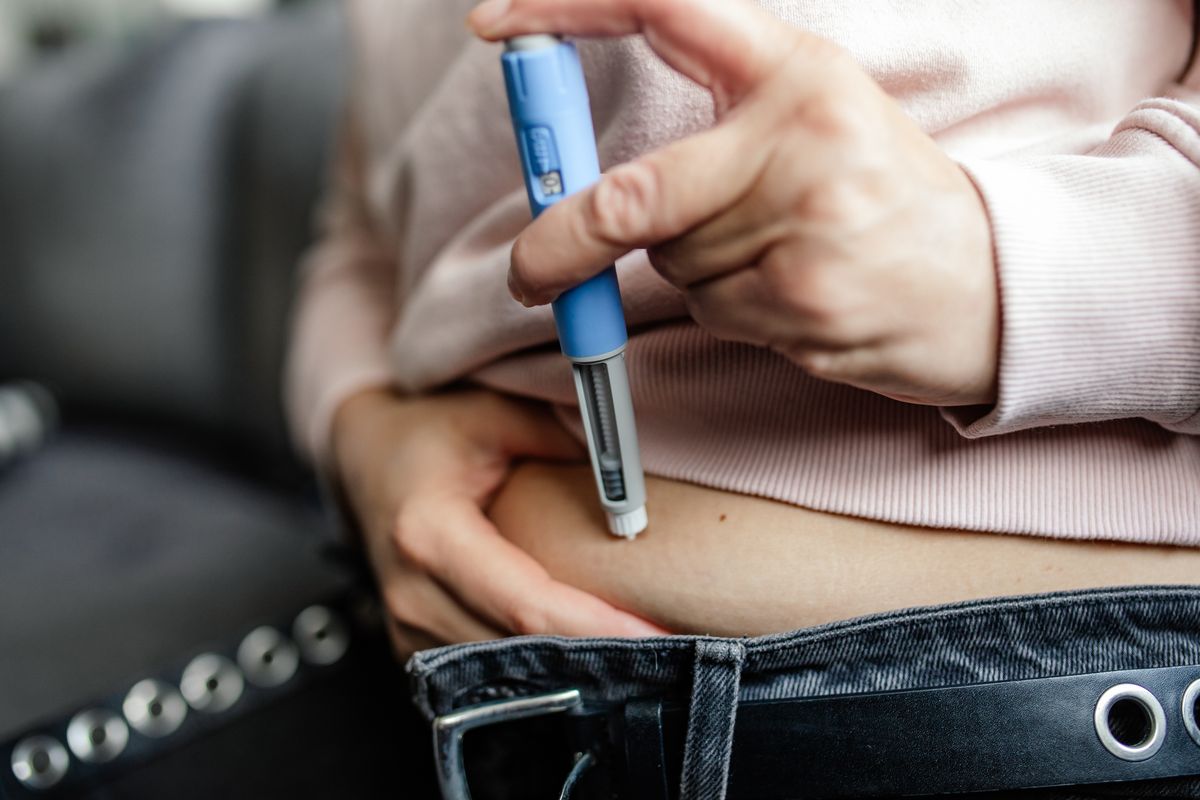
GLP-1 inhibitors have grown in use in recent years owing to their success in controlling blood sugar levels amongst diabetic patients and supporting weight reduction(Image: Getty)
“You feel fuller for longer because the food sits in your stomach for longer, and then this can help to reduce your appetite. But this slowing down doesn’t just affect your stomach.
“It also affects your entire gastrointestinal tract. Now, the contractions in your intestine slow down, too, meaning stool will move through much more slowly.
“This means there’s more time for water to get absorbed, and you end up constipated.” However, the impact varies from person to person.
He added: “That being said, some people do get it worse than others, with higher doses tending to cause more constipation. But if you are already prone to constipation, or you’re on other medications that slow down your gut, like opioids, it can be really severe.”
The British Heart Foundation (BHF) lists constipation as a “very common” side effect of these injections. On its website, the charity explains: “Not everyone will have side effects from weight-loss injections. But it is very common for people who take them to experience digestive problems, such as feeling sick, diarrhoea, constipation and stomach pain.
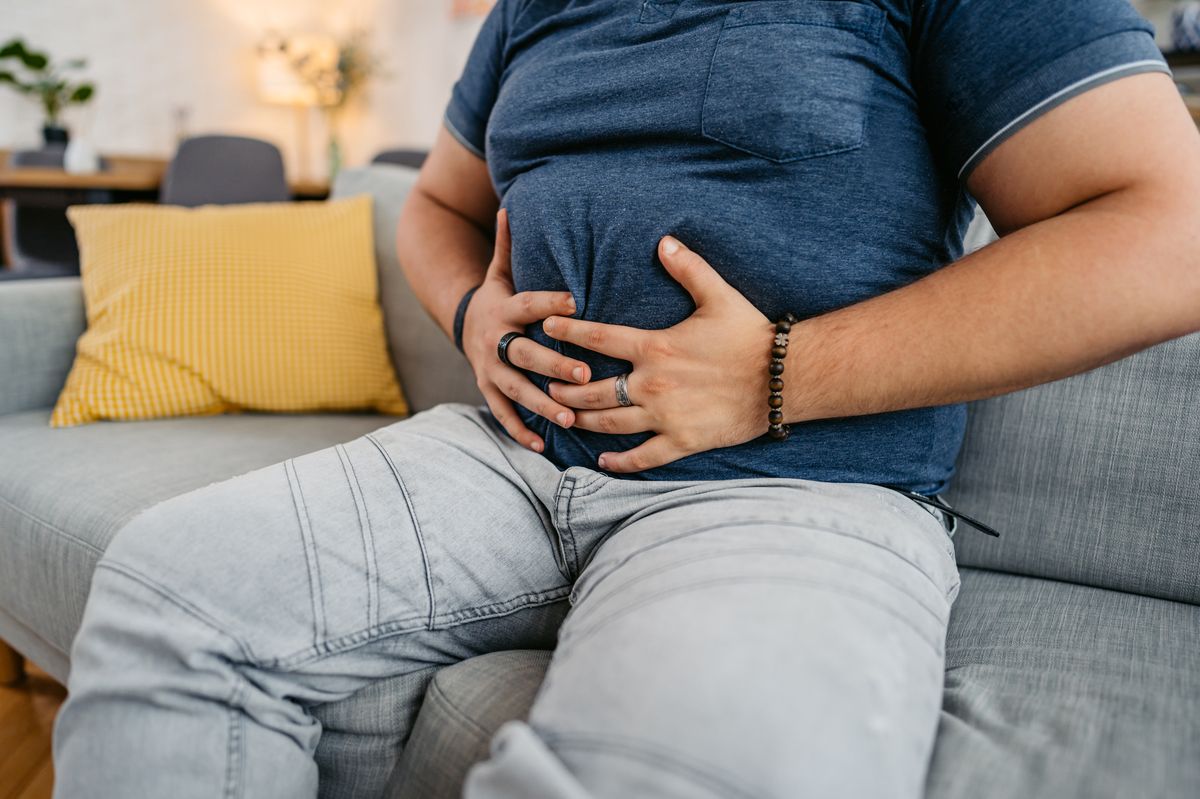
Constipation is a “very common” side effect of these jabs(Image: Getty)
“These side effects affect one in 10 people, according to the patient leaflets that come with Mounjaro and Wegovy.”
It further noted: “The injections can also cause tiredness or dizziness, hair loss, low blood sugar and a fast heart rate in some people.
“Speak to your doctor if you’re experiencing any side effects, as you may need to take a lower dose or stop taking them. You may have also seen lots of media coverage about people taking weight-loss injections being at a higher risk of an inflamed pancreas (acute pancreatitis).
“It’s estimated that up to one in 100 people taking either drug may develop the condition, according to the patient leaflets. Speak to a GP or call 111 if you notice any symptoms, such as a sudden severe pain in the middle of your abdomen.”
How to prevent this
To reduce your chances of constipation while on the medication, Dr Sooj advised: “To prevent it, make sure you stay really well hydrated.
“When your gut is moving slowly, adequate water is crucial to make sure that your poops stay soft. And also, when your appetite is reduced, it’s really easy for fibre intake to take a back seat.
“You should still be aiming for 30 grams of fibre daily, from fruit and veg and nuts and whole grains. But if you’re not hitting your 30 grams a day fibre target, don’t just jump straight up to 30 grams overnight or you will start feeling really bloated and miserable.
“Build up slowly. You should also stay really active because physical activity will help to stimulate gut motility, and walking is perfect for this.
“Now if these lifestyle measures are just not enough, then you might need laxatives or stool softeners. If you wanna go down a slightly more natural route then prune juice actually does work because prunes contain sorbitol, which is a natural laxative.”