
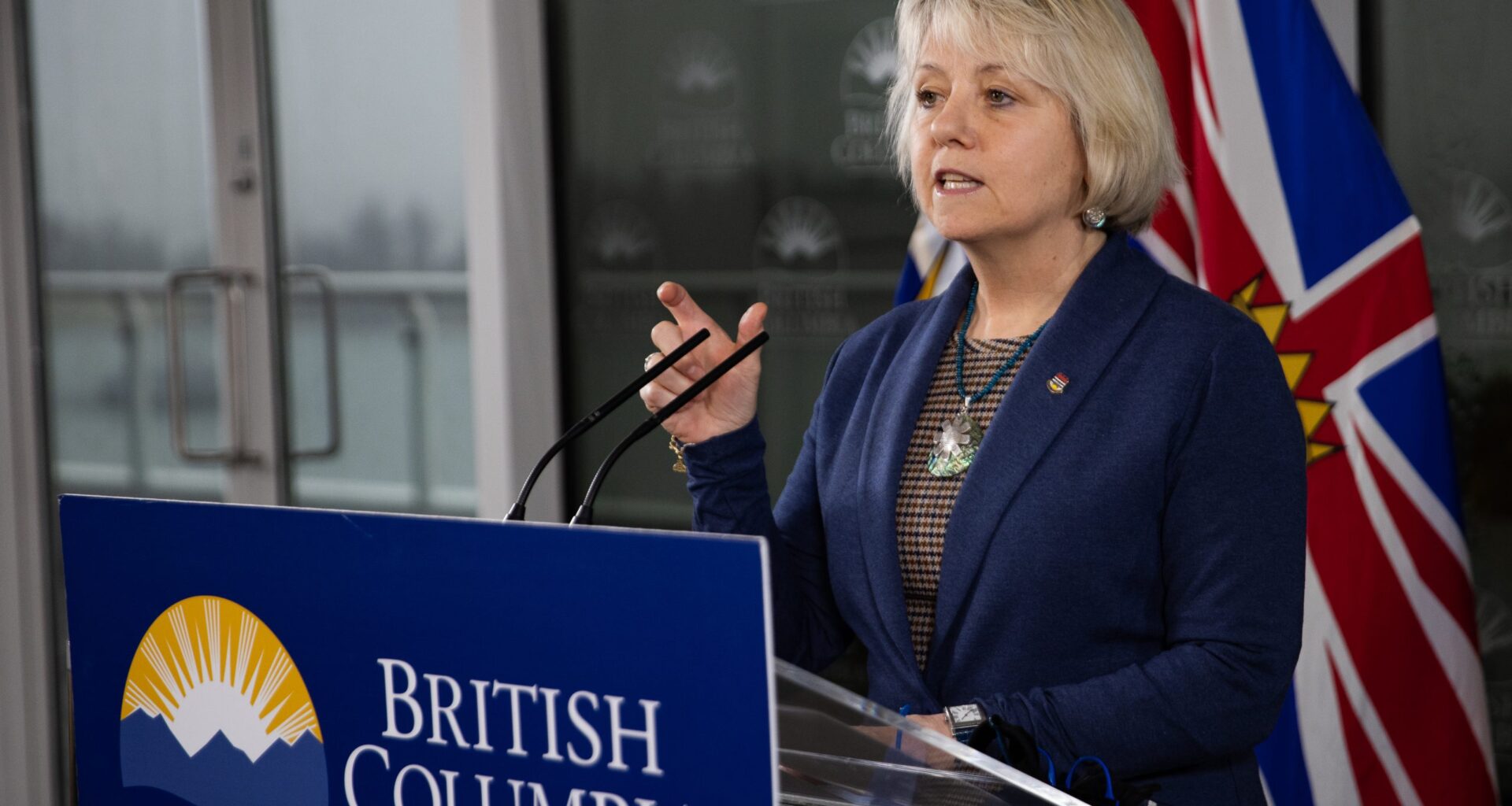
B.C.’s provincial health officer says respiratory illness season is over with recent data showing a decline in most illnesses, barring a possible late-season Influenza B increase.
“I am officially declaring an end to the 2025-26 respiratory-illness season in B.C,” Dr. Bonnie Henry, British Columbia’s provincial health officer, said Friday.
Henry says the decision was “informed by low and decreasing levels of respiratory illness seen in the most recent data for influenza, RSV and COVID-19 in B.C.”
The provincial health officer reviewed data from provincial and federal public-health partners, including Thursday’s respiratory-illness season update from the BC Centre for Disease Control.
Across the province, Henry says ER and primary care visits have decreased to moderate levels since the peak in late December and early January.
Influenza A on the decline, some Influenza B levels increasing
While Influenza A levels are showing a downturn, Henry says there’s still potential for a late-season onset of Influenza B.
“While influenza B test positivity is showing an expected late-season increase to moderate levels, influenza A test positivity and wastewater levels are low,” says Henry.
The BC Centre for Disease Control says this week’s report shows “wastewater levels are low for influenza A across the province. Influenza B levels in wastewater are increasing in some sites.”
Last week’s snapshot (ending Feb. 28, 2026) from the Canadian respiratory virus surveillance report showed activity was either stable or decreasing for influenza, COVID-19, and RSV.
RSV
Respiratory syncytial virus (RSV) is a common respiratory virus that presents with mild, cold-like symptoms, but can pose risks with immune compromised individuals, infants or seniors.
“RSV test positivity, while also elevated, has decreased over the past two weeks, and markers of COVID-19 activity remain low overall,” says Henry.
COVID-19 reports in Canada, U.S. and the EU
The BC Centre for Disease Control says this week’s reports of COVID-19 cases in Canada were stable. In the USA, COVID-19 activity is decreasing nationally but remains elevated in some areas of the country. In the EU/EEA, SARS-CoV-2 circulation remains low in all age groups, with very few hospitalizations reported.
Recent cases on the Island
Here on the Island, the three illnesses were reported last week on Island Health’s active outbreak list. On Feb. 24, one case of Influenza H1N1 was confirmed at the Nanaimo General Hospital and one case of Norovirus in Duncan. On Feb. 23, an individual case of norovirus was reported out of the Saanich Peninsula Hospital.
On Friday, Island Health reported an individual in the Comox Valley awaiting test results for a “gastrointestinal or norovirus-like illness”.
Preventative measures with spring travels ahead
While the health officer has declared an end to the illness season, she’s also reminding people to practice preventative measures, especially with spring break travels ahead for many.
“It’s important that you continue to clean your hands regularly using soap and water or alcohol-based hand sanitizer, and cover sneezes and coughs. These practices help keep you, your families and your communities safe, healthy and happy.”
“And as spring break approaches and many families are travelling, I remind you to check that your and your family’s vaccines are up to date.”
Measles outbreaks are still occurring in some countries, so it’s important to make sure all vaccines are up to date, she says.
Cases of measles are still popping up in Canada as well. Between the week of Feb. 15 and 21, 85 new measles cases were reported. As of Feb. 21, 2026 there are a total of 296 measles cases since 2026, in seven jurisdictions: B.C., Alberta, Manitoba, Nova Scotia, Ontario, Quebec, and Saskatchewan. In B.C., 17 cases have been reported.
“That means having had two doses of measles-containing vaccine if you were born after 1970. Children routinely receive their first dose at one year of age, but if you are bringing an infant to areas where measles is active, your child can receive an early dose of vaccine at six months of age.”
People with compromised immune systems and aging adults are also urged to consider an additional dose of COVID-19 vaccine to keep your protection up.