
Key Takeaways
The 5:1 carb-to-fiber rule means you should have 1 gram of fiber for every 5 grams of carbs in your food. Black beans, lentils, berries, and sweet potatoes naturally follow this rule. You can still add more fiber to your meals, even if the carb source lacks this specific ratio.
Eating plenty of fiber can help you reduce blood sugar spikes, which is why many people are following the 5:1 carb-to-fiber rule. The rule states that you should eat foods that contain 1 gram of fiber for every 5 grams of carbohydrates. While this can help you eat more fiber, experts said this rule can be a bit limiting when it comes to food choices.
How to Follow the 5:1 Carb-to-Fiber Rule
To follow the 5:1 carb-to-fiber rule, you may need to do some math while you’re grocery shopping.
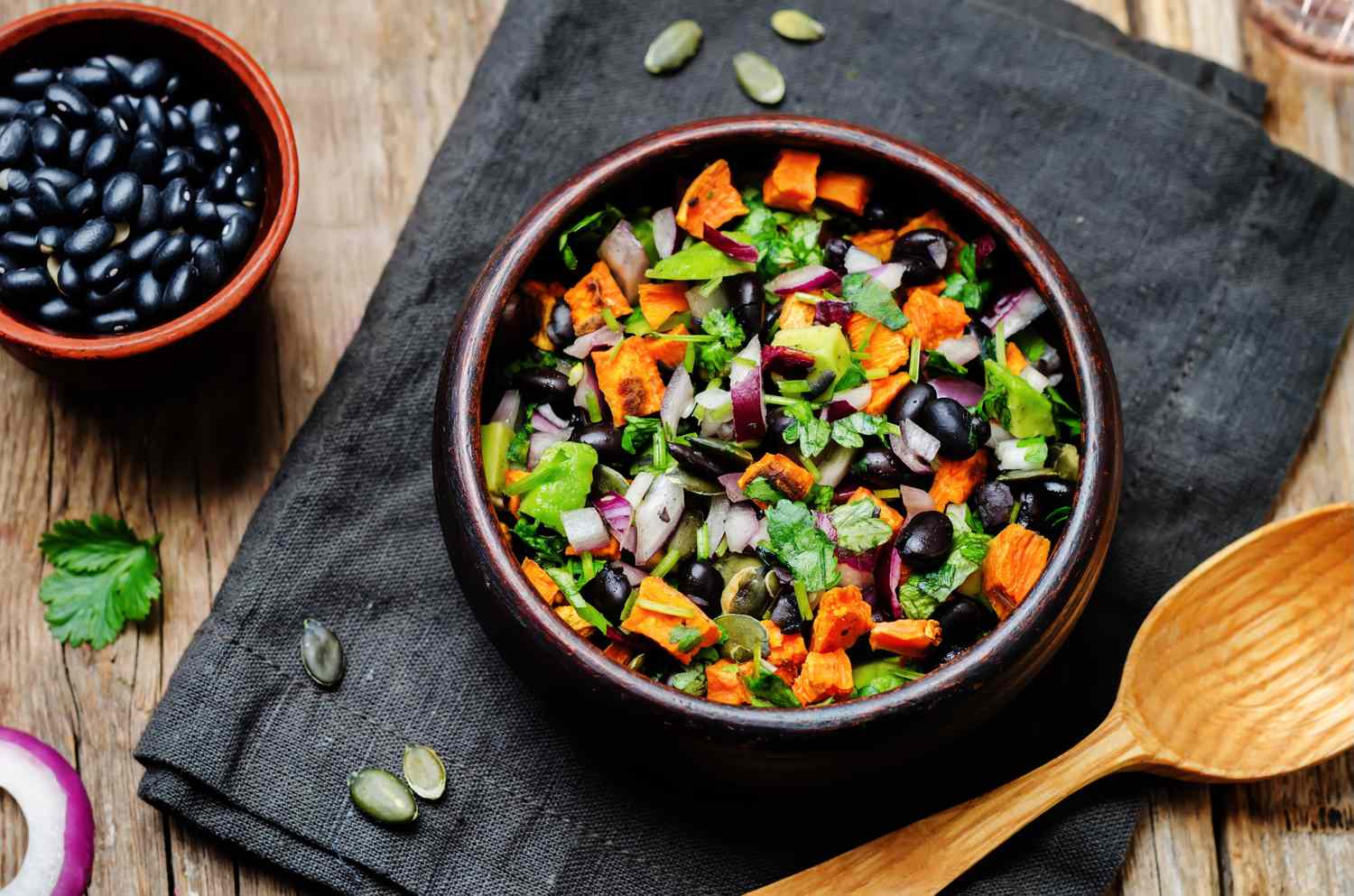
“A lot of whole food sources of carbs and fiber meet the 5:1 rule, like black beans, lentils, chia seeds, almonds, berries, sweet potatoes, and steel-cut oats,” Leah Barron, RD, LD, CPT, a dietitian at The Baseline Lifestyle Co., told Verywell. “When looking at packaged foods, look at the label and divide the total carbohydrates by the grams of fiber.”
If the answer is five, that means the food qualifies. Any number higher than five would mean that the food you’re looking at has less fiber per gram of carbohydrate. Any number below five indicates that the food has more than 1 gram of fiber per 5 grams of carbohydrate.
However, being too strict with this rule can complicate grocery shopping or cooking.
“I do think this rule could be a little limiting,” Barron said. “Even if your carbohydrate source lacks this specific ratio of fiber to carbs, you can still add other sources of fiber to the meal to help balance it out. So there is no need to only choose foods with this ratio—there are lots of ways that you can increase your fiber intake.”
How This Rule Can Support Healthy Blood Sugar
The 5:1 carb-to-fiber rule is a quick way to assess carbohydrate quality using the nutrition label, according to Keri Gans, MS, RDN, CDN, a New York-based dietitian. “The goal is to help identify higher-fiber, less refined carbohydrate choices, such as whole grains, beans, fruits, and vegetables,” Gans said.
Fiber helps prevent blood sugar spikes by slowing down the digestion of the carbohydrates you eat. It slows the digestion and absorption of carbohydrates into the bloodstream, leading to a more gradual, sustained rise in blood sugar.
Another major plus of the 5:1 carb-to-fiber rule is that it may encourage you to eat more whole foods. If you’re unsure where to start, “focus on naturally fiber-rich carbs like oatmeal, quinoa, lentils, chickpeas, whole-grain bread, berries, and apples. Pairing carbohydrates with protein and healthy fats can also help stabilize blood sugar,” said Gans.
For example, she said, try oatmeal with nuts, adding beans to soups or salads, or eating whole-grain toast with eggs and avocado.
Why This Rule May Not Be Necessary
Ultimately, the 5:1 carb-to-fiber rule might complicate your meal choices. If determining the carb-to-fiber ratio of all your foods feels more like a task than a fun challenge, it may be time to dial it back.
“I think this rule is an example of how people make good nutrition more complicated than it needs to be,” Barron said. “It is much simpler to focus on increasing daily servings of fruits and vegetables or choosing whole grains when possible, rather than worrying about doing calculations at the grocery store.”

Thanks for your feedback!
What is your feedback?
Helpful
Report an Error
Other