
Ryan Remiorz/The Canadian Press
John Turley-Ewart is a contributing columnist for The Globe and Mail, a regulatory compliance consultant and a Canadian banking historian.
“Who do I shoot,” a farmer famously asked in John Steinbeck’s The Grapes of Wrath. Bad luck and bad credit cost the man his family farm. He sought someone to blame. Steinbeck’s Great Depression antagonists were “the bank,” an indifferent monster that gorged on profits, and an unrelenting capitalist system that ground people down.
The Great Depression had a profound effect on the generation that lived it. Steinbeck portrayed this in his fiction. The journalist Caroline Bird documented the reality in The Invisible Scar (1966). That generation learned, argued Ms. Bird, that the things they owned – their houses, their cars, their furniture – were not really theirs. They belonged to the bank, and the bank could take them back at any time.
The trauma fed insecurities, Ms. Bird found. People lived as if a new disaster was just around the corner. The lessons faded as the generation that endured the Depression disappeared into the past. Yet it is a lesson too many Canadians today are learning anew.
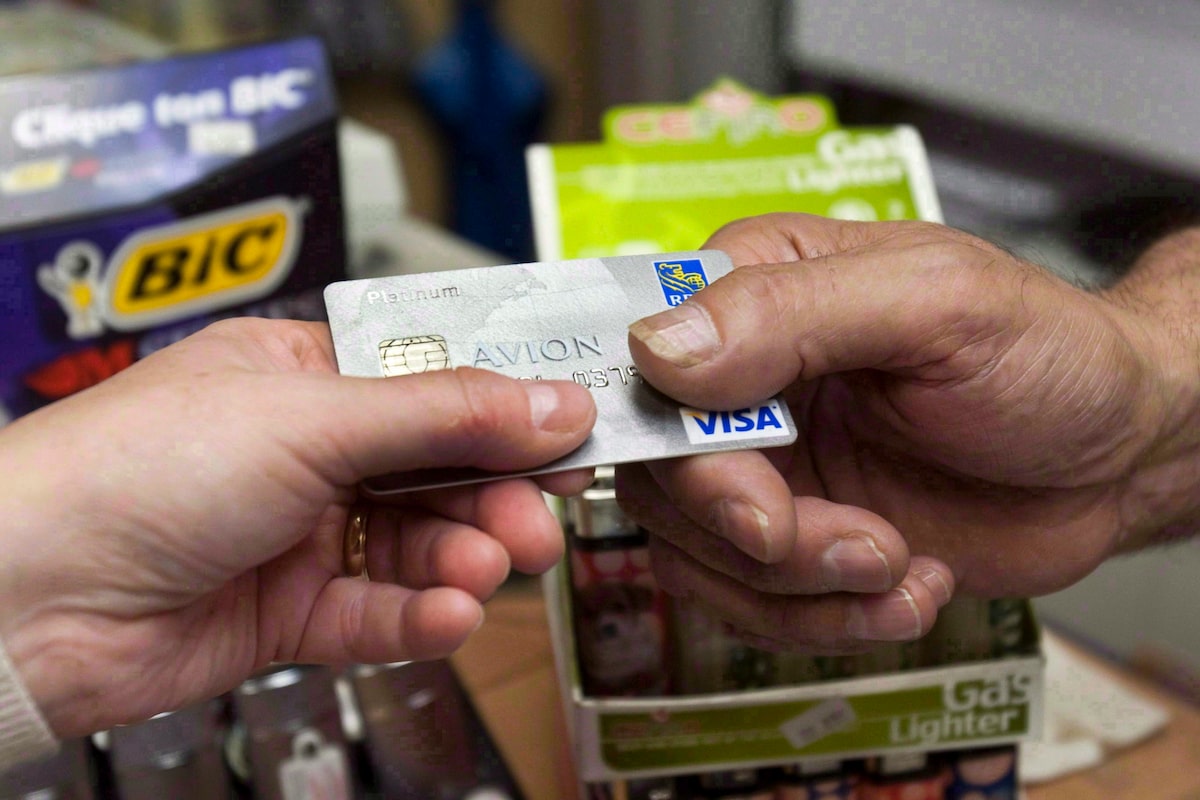
Headlines in these pages point to the trend, Canadians are struggling to pay off credit cards, mortgages and are layering loans as debt loads soar. The bleeding has begun, and the financial fallout is scarring new generations.
Household debt in Canada as a percentage of GDP is 103 per cent, winning Canada silver among 34 OECD countries. Switzerland takes the gold at 128 per cent. Another way to frame household debt is as a percentage of after-tax (net), disposable income. Household debt in Canada is running at about 180 per cent of after-tax income.
Percentages are economist talk, though. Canadians, like Steinbeck’s farmer, better appreciate balances owed and accumulating interest. Here is what that looks like according to the most recent TransUnion credit industry report: In total dollars, household debt “reached $2.6-trillion” by the end of 2025. In a one-year period, the average consumer balance for most types of loans have all increased by about 4 per cent. Rather than paying down debt last year, Canadians have dug down deeper.
Earlier this month MNP Ltd., a large insolvency practice in Canada, published Ipsos market research undertaken at its behest. It explores the attitude of Canadians toward their personal debt, budgeting and aspects of debt literacy. It tells us that almost half of all those surveyed “regret the amount of debt they have taken on over their lifetimes.”
A little less told Ipsos “they are concerned about their current level of debt.” Shockingly, for a country that has “the most educated work force in the G7,” says Statistics Canada, Ipsos found that 20 per cent of Canadians “say they do not have a solid understanding of how interest rate increases impact their financial situation.”
Those most riddled with anxiety about debt are those that are the most distant from the generation that saw the Great Depression up close. More than half of Gen Z and millennials are concerned about their current debts. Almost 60 per cent of millennials regret the debt they have burdened themselves with, “the highest of any age group,” says Ipsos.
At the close of 2025, consumer bankruptcies were up compared to December, 2024. The number of consumer insolvencies exceeded 140,000 in 2025. According to the Canadian Association of Insolvency and Restructuring Professionals, that is the “highest volume of consumer insolvencies in 16 years (since 2009).”
Big bank earnings point to more consumers struggling to pay off credit cards, mortgages
This laisse-faire attitude to accumulating debt is more than a consumer problem, it is a broader financial pathology infecting large swaths of corporate Canada as well as provincial and federal governments.
“Canada’s non-financial corporations,” as The Hub has highlighted, carry debt equal to 163 per cent of GDP, placing us in the top tier globally.” Canadian government debt (federal and provincial combined) amounts to 111 per cent of GDP, surpassing the OECD average of 72 per cent. Government spending in Canada, as Gary Mason noted in these pages recently, signals “the death of fiscal sanity” in this country.
Canadians as a people have forgotten what their Great Depression forebears realized the hard way. Debt is not in itself a ticket to a higher living standard. It can be a trap. The more of it, the more it threatens the financial well-being of households, that of businesses and government as well when economic shocks occur – such as rising unemployment, higher interest rates, new tariffs or wars.
Ms. Bird poignantly showed that the most damaging blow of the Depression was not the loss of money, but the loss of the future.
When “the bank” comes, who will Canadians shoot?