

Experts studying colon cancer have found another possible cause for the condition as cases rise among younger patients.
It’s estimated that almost 160,000 cases of colon cancer will be diagnosed in the US this year, with around 55,000 deaths expected.
But alarmingly, it appears that the condition is now affecting one patient cohort more than others – younger people.
The disease generally becomes more of a risk as we get older, but studies have shown an increase of about three percent in those under 50 since 2018.
Diagnosing colon cancer can be difficult in its early stages since it often does not exhibit many symptoms.
Now, scientists believe they may have found a potential cause of the condition.
 The condition is on the rise in younger patients (Alvaro Medina Jurado/Getty)
It’s something called a ‘prophage’, which is the technical term for when a bacteria gets infected with a virus.
While we might think of them as both being tiny things, viruses are much smaller than bacteria, so small that it is possible for a bacteria itself to become infected with a virus.
This is something called a ‘bacteriophage’, which doesn’t itself affect human cells. However, it does change the way that the bacteria behaves and that can cause problems.
Researchers from the University of Southern Denmark and Odense University Hospital examined samples of bacteria from 48 people who had an infection in their bloodstream, of whom half had colon cancer.
When they compared the two groups, they found that the patients with cancer all had a bacterium, B fragilis, which was infected with two prophages, so viruses, which had not been seen before.
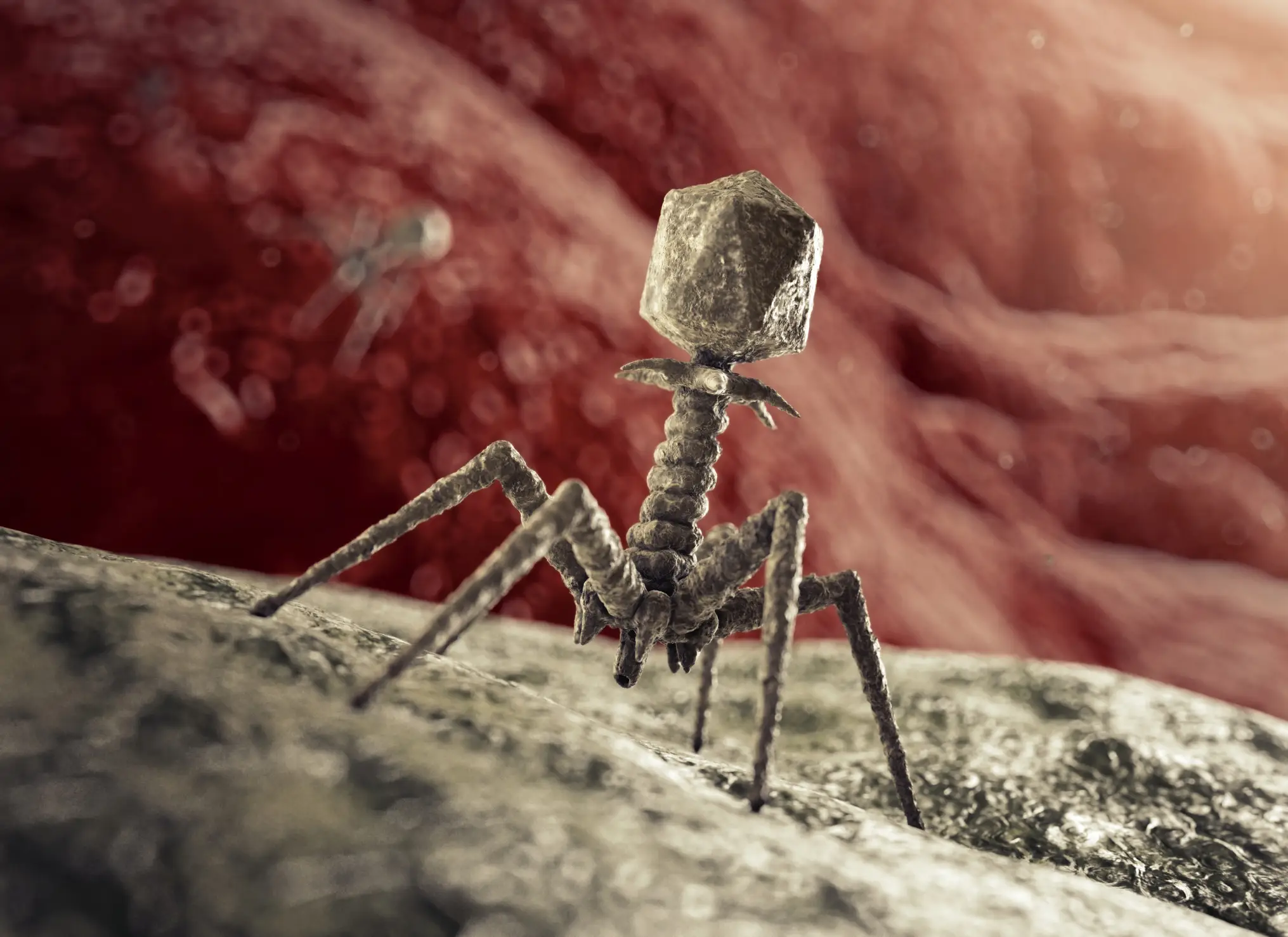 A bacteriophage about to inject a bacterium (Getty Stock Images)
Meanwhile, when they looked at the patients without cancer, they found that the prophages were not present.
Dr Flemming Damgaard, a molecular biologist who led the research project, said: “We have discovered a virus that has not previously been described and which appears to be closely linked to the bacteria we find in patients with colorectal cancer.”
He added: “It is not just the bacterium itself that seems interesting. It is the bacterium in interaction with the virus it carries.”
Interestingly, study of the prophages themselves indicated that they didn’t have any genes which are known to increase cancer risk, but the experts clarified that further research is needed.
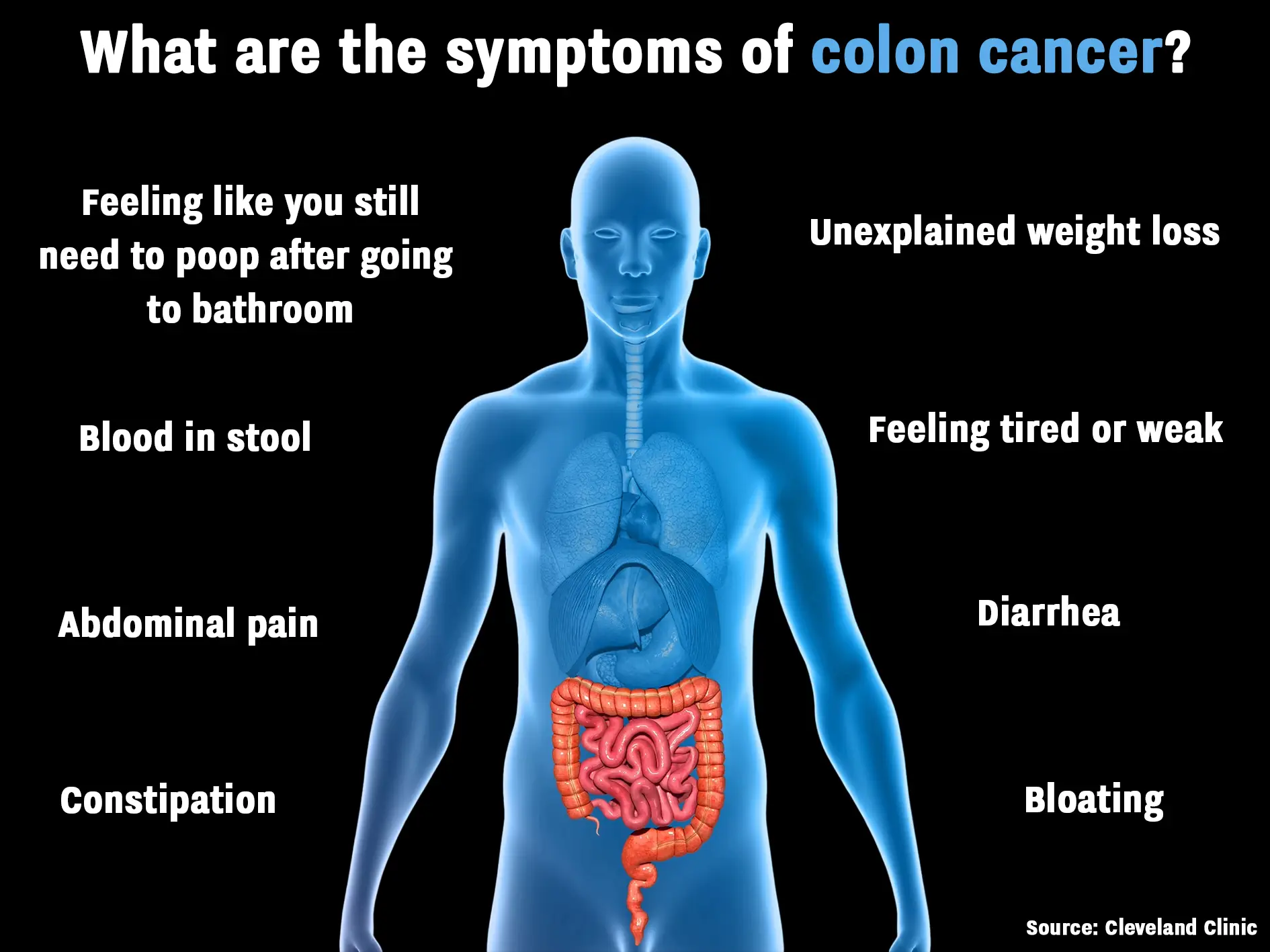 Colon cancer symptoms can vary from person to person (Getty Stock Images/UNILAD)
In the second part, they examined stool samples of 877 people from Europe, Asia, and the US, of whom half had colon cancer, and found the same pattern.
However, the study authors also warned that all they have found so far is an association.
It’s not yet been confirmed whether it is the presence of these viruses and bacteria themselves which is causing the cancer, or if it’s something else.
Dr Damgaard went on to say: “These findings suggest a partnership between bacteria and their viruses that may shape disease.
“If confirmed, this… may support earlier detection of colorectal cancer and guide new ways to treat and prevent this disease.”
If you’ve been affected by any of these issues and want to speak to someone in confidence, contact the American Cancer Society on 1-800-227-2345 or via their live chat feature, available 24/7 every day of the year.