
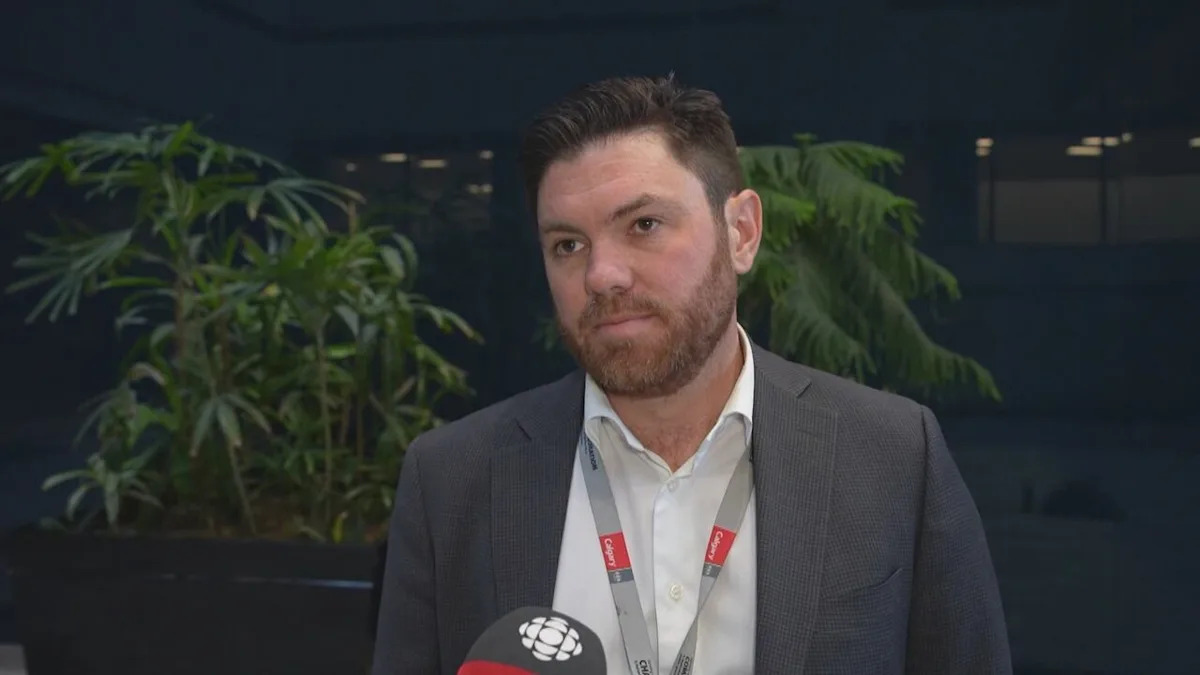
As the City of Calgary accelerates work to bolster its water system after two catastrophic pipe breaks, city council is weighing the best options to support businesses during long periods of construction.
On Wednesday, councillors on Calgary’s infrastructure and planning committee will discuss a proposal for a new policy suggesting a “business-friendly approach” to construction. The policy would commit the city to identifying and mitigating construction-related issues for businesses, while providing timely communication and supporting customer access.
The report comes while construction is ongoing in northwest communities like Bowness and Montgomery to repair and duplicate the Bearspaw feeder main, after a pair of catastrophic breaks in the pipe occurred across 18 months in recent years.
Last week, Mayor Jeromy Farkas said the city is exploring better ways to assist businesses, which could mean supporting local events and festivals, or better funding measures to mitigate construction.
“We want to make sure Calgarians know that these areas of the city have been hard hit, but they’re still open for business,” Farkas said.
City suggests community-wide supports
During Marda Loop’s tumultuous, multi-year Main Streets project, hundreds of businesses received one-time grants of $5,000. But the city’s new report suggests a more community-wide focus to offering support.
The city intended for the funds to maintain customers’ access to businesses and for preparation ahead of construction, but city staff instead found many businesses used the money for more everyday costs.
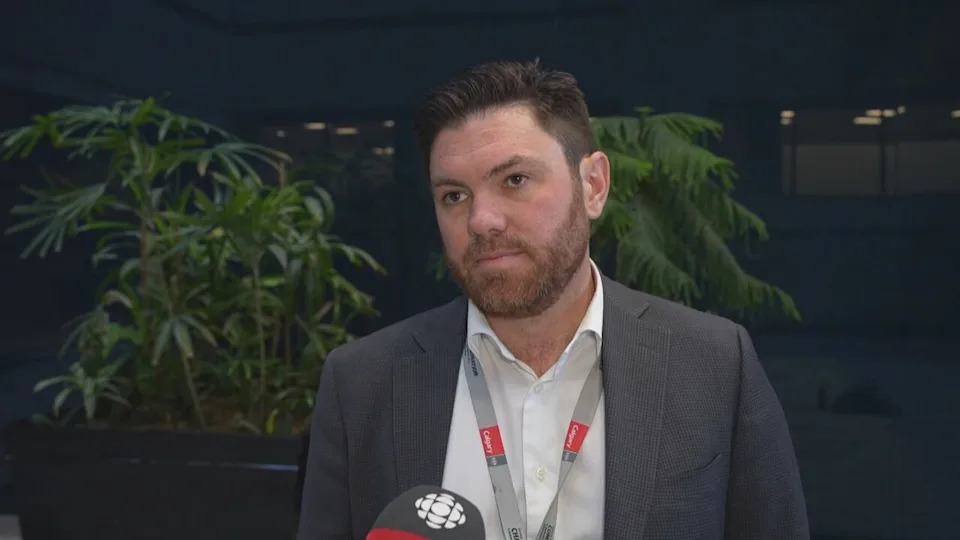
Ward 8 Coun. Nathaniel Schmidt suggested there could be more effective ways to support businesses during infrastructure construction other than direct grants. (Brendan Coulter/CBC)
Ward 8 Coun. Nathaniel Schmidt, who represents Marda Loop residents, said it’s important for the city to provide clarity during construction processes that can often hit roadblocks and delays.
He questioned whether funding used for grants could be spent more effectively to help businesses.
“It’s about certainty. Before a project starts, businesses have an expectation about what’s going to happen,” Schmidt said.
“Ultimately, we want to avoid surprises, while encouraging and providing access to the public to continue to visit businesses.”
Bowness business needs during construction
Businesses in Bowness already working through construction disruptions — and, at times, water outages — would benefit from more consistent communication, as well as support to counter traffic detours and congestion, said Kellie Freeman, executive director of the Mainstreet Bowness BIA.
She said she appreciates the city is consulting BIAs directly and suggested “shop local” campaigns, traffic mitigation and temporary parking measures would all benefit businesses. Funding for BIAs to use on its members could also be helpful, Freeman said.
“If funding can come into the BIA so we can do collective programming, that’s going to benefit all the businesses,” Freeman said.
“We want to be fair and equitable across all of our BIA, so just getting a lump sum of money from the city so we can be intentional with our programming would be the best solution, I feel.”
She added free community events like night markets or Stampede parties also go a long way to maintaining foot traffic during construction.
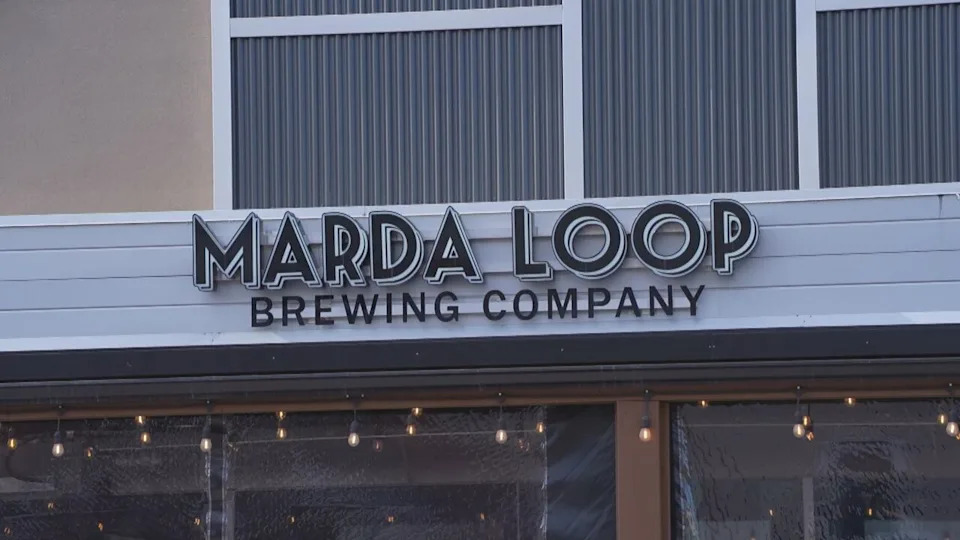
Marda Loop Brewing Company was one of several businesses in the Marda Loop community that struggled with traffic detours and pressures from the Main Streets construction project that lasted several years. (Brendan Coulter/CBC)
During Marda Loop’s Main Streets program, businesses faced difficulties through detours and road closures, said Marda Loop Brewing owner Mike de Jong.
He noted it was difficult to continue to ask customers to come back and support them through several years.
He said he hopes the city reconsiders the idea to move away from offering direct grants, arguing they can be useful along with improved communication and signage.
“Ultimately, of course as a business owner, $5,000 would really help,” said de Jong.
“But there’s also an uncertainty aspect to all of this. And I think more reassurance and a better plan of action probably would have been just as good as the $5,000.”