
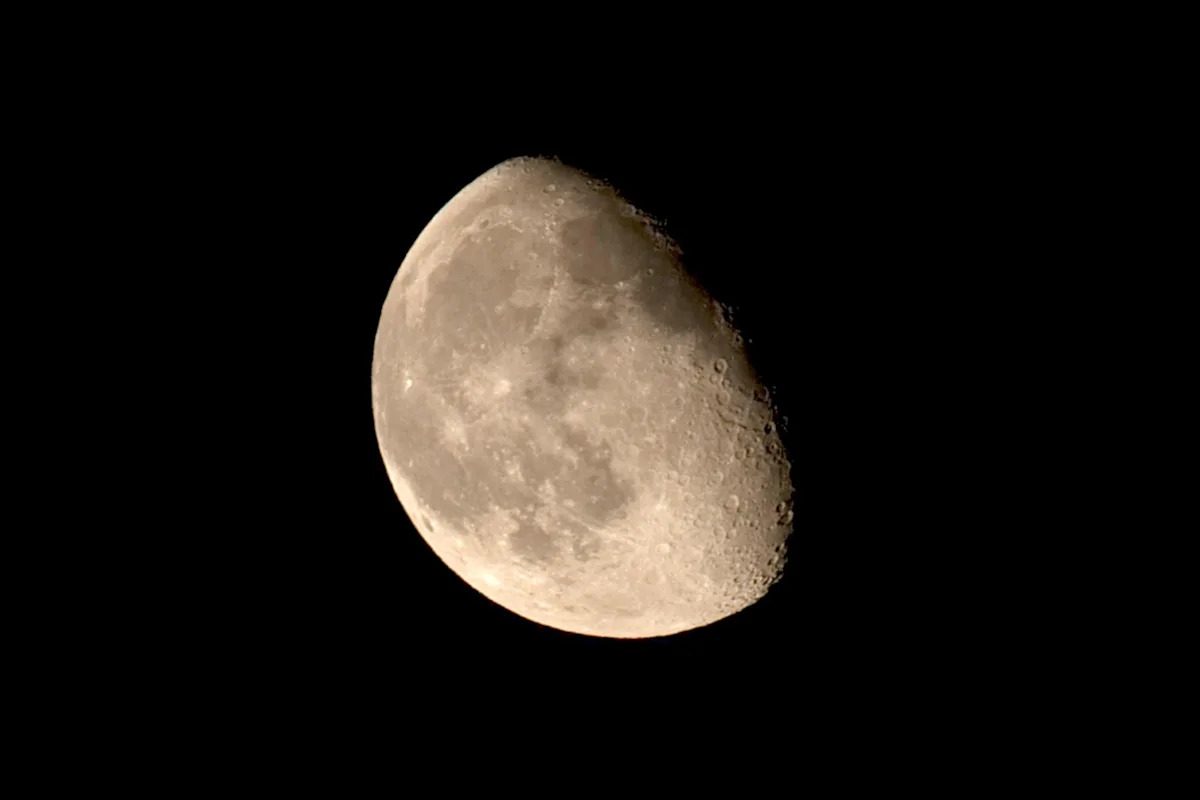
If you missed this morning’s lunar moment, the moon is still putting on a show!
Today, March 11, at 5:39 a.m. ET, the moon reached its last quarter phase, appearing half-lit as it enters the final stretch of the lunar cycle before the upcoming new moon.
Still, this last-quarter phase was particularly interesting because the moon reached apogee — the farthest point in its orbit from Earth — just a day earlier on March 10, which can make it appear slightly smaller in the sky, according to skywatching data from The Old Farmer’s Almanac.
Even though it peaked this morning before sunrise, skywatchers will still have an opportunity to see it this evening as the moon continues moving through this stage over the next couple of nights, while Luna’s illuminated portion begins to gradually shrink.
According to NASA, lunar phases occur as the moon orbits Earth and sunlight illuminates different portions of its surface from our perspective. During the last-quarter phase, we see roughly half of the moon’s visible surface lit up while the rest falls into shadow.
In the meantime, read on for everything you need to know about this lunar event.
When will the last quarter moon be visible?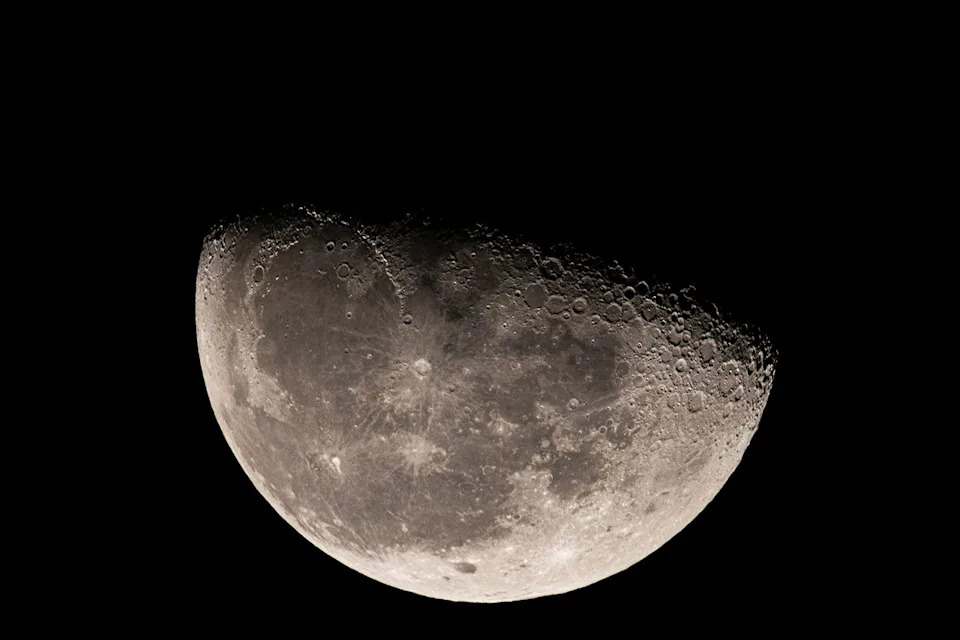
Big Moon in waning gibbous phase
Credit: Yaorusheng/Getty
The moon reached its last quarter phase early on March 11 at exactly 5:39 a.m. ET, but you can still catch a glimpse of it tonight!
The last quarter moon rises around midnight and remains visible through the early morning hours, so if you missed it before sunrise today, all you have to do is look up late tonight or before dawn on March 12 for another good viewing window.
Where will the last quarter moon be visible?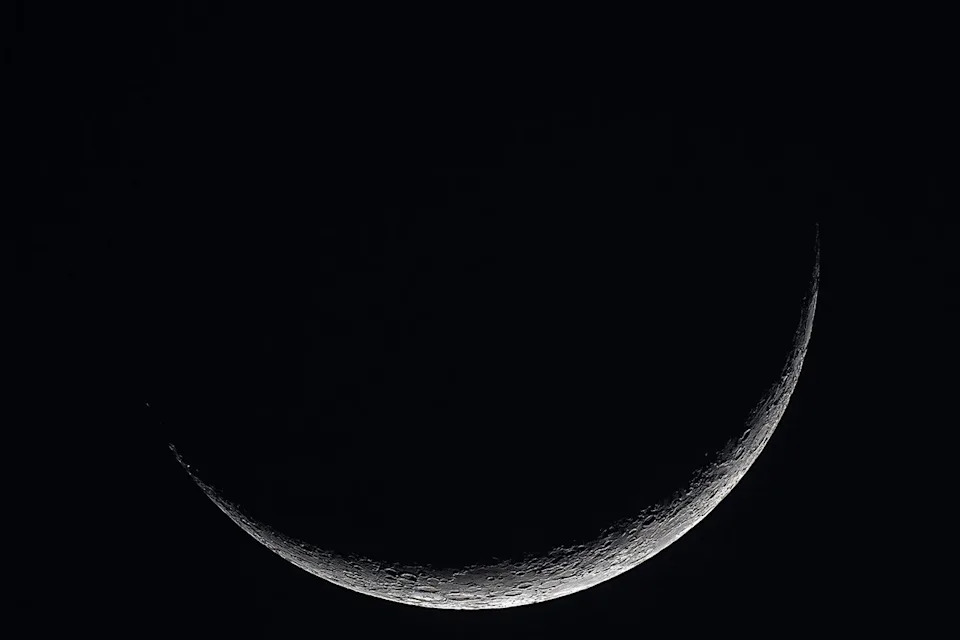
new moon crescent with craters
Credit: Westend61/Getty
Late tonight, March 11, and into the early morning hours of March 12, look toward the southeastern sky. As the moon climbs higher overnight, it will appear half-illuminated, with the left side glowing for viewers in the Northern Hemisphere.
As dawn approaches, Luna will be higher in the sky and easier to spot against the gradually brightening horizon.
How to watch the last quarter moon?
You don’t need any special equipment to enjoy the view — the moon is bright enough to see with the naked eye.
For the best experience, however, try finding a spot with clear skies and minimal light pollution. Binoculars can reveal extra details along the moon’s shadow line, where craters and rugged lunar terrain stand out.
If you’re hoping to photograph it, a tripod and zoom lens can help capture the striking half-lit shape against the quiet late-night sky.
Read the original article on People