

Listen to this article
Estimated 5 minutes
The audio version of this article is generated by AI-based technology. Mispronunciations can occur. We are working with our partners to continually review and improve the results.
First Light is proposing a solution for urban Indigenous people who don’t have access to primary care that it says will save Newfoundland and Labrador’s health system millions of dollars annually.
The Indigenous group is planning to open a health clinic at its facility on Quidi Vidi Road in St. John’s.
The non-profit group says an Indigenous-led clinic staffed with a physician and two nurse practitioners will help keep as many as 1,300 people healthier, preventing the need for more expensive care, like visits to emergency departments.
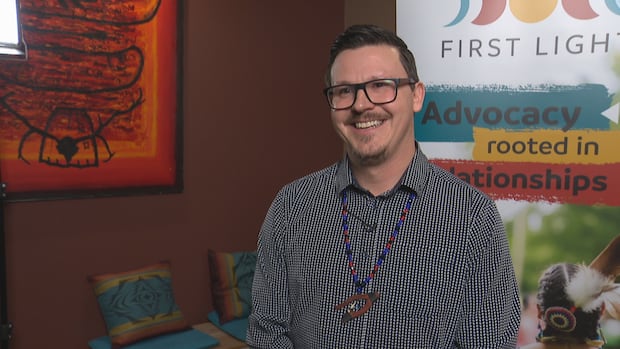
“There are currently over 7,000 urban Indigenous people living in St. John’s metro area and that number is rapidly increasing. We know that over 1,000 of those people do not have primary care or a physician,” said Chad Bedard, manager of knowledge mobilization with First Light.
“So we are hoping that we can help alleviate a little bit of pressure on the health-care system by opening our own clinic.”
Is that going to compete with other resources? Is there going to be duplication of services? We have to be fiscally responsible in terms of health-care dollars.- Health Minister Lela Evans
First Light is calling on the provincial government to fund it with $1 million annually. First Light says spending that money will save the province between $1.9 million and $4.4 million.
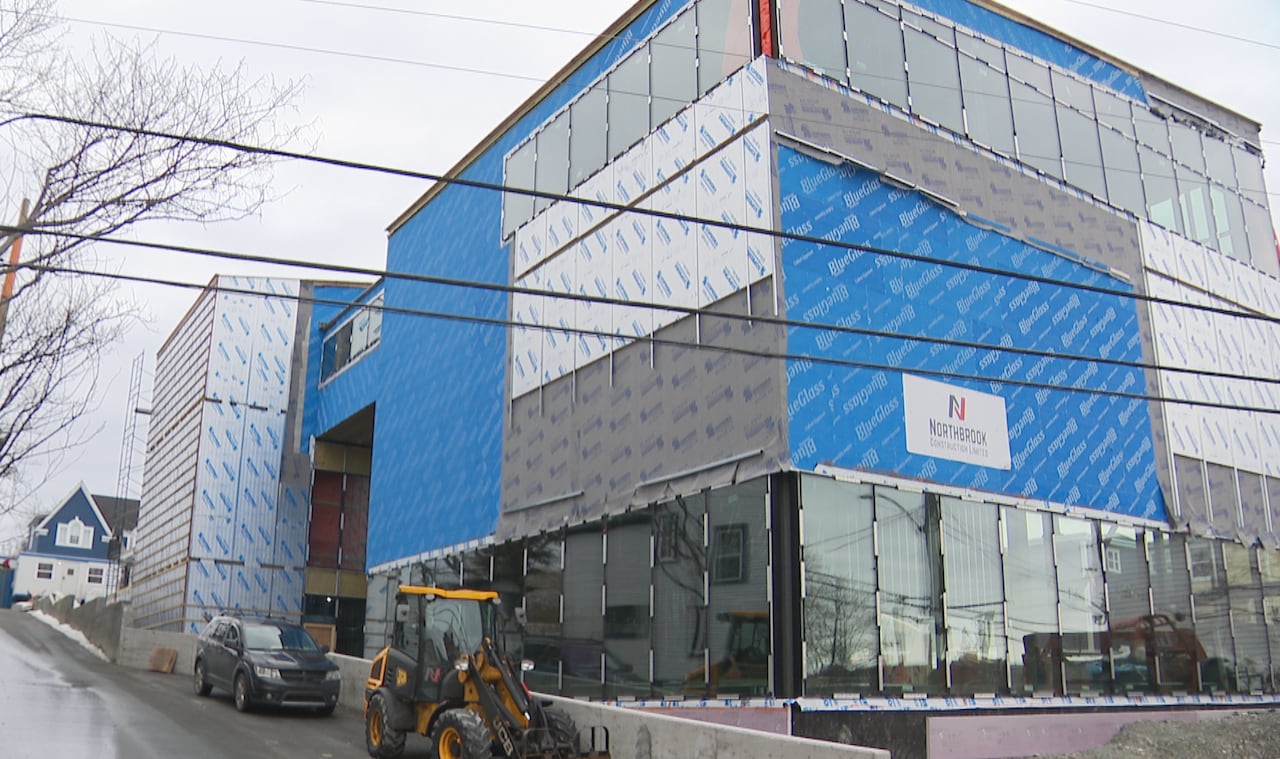 The First Light building under construction on Quidi Vidi Road in St. John’s. Shown here in March 2026. (Mark Quinn/CBC)
Bedard says there are many reasons why as many as 1,300 Indigenous people living in the St. John’s area don’t have access to primary care.
“One of them would be the main reason that everybody’s facing, which is a shortage in physicians. Another one is there’s jurisdictional gaps a lot more for urban Indigenous people where they fall between provincial and federal jurisdiction,” he said.
“So, you know, that can be a little bit confusing for where the health-care piece lands. And also, we do see reports of discrimination in health care, systemic racism and even feeling unsafe within our own health-care system.”
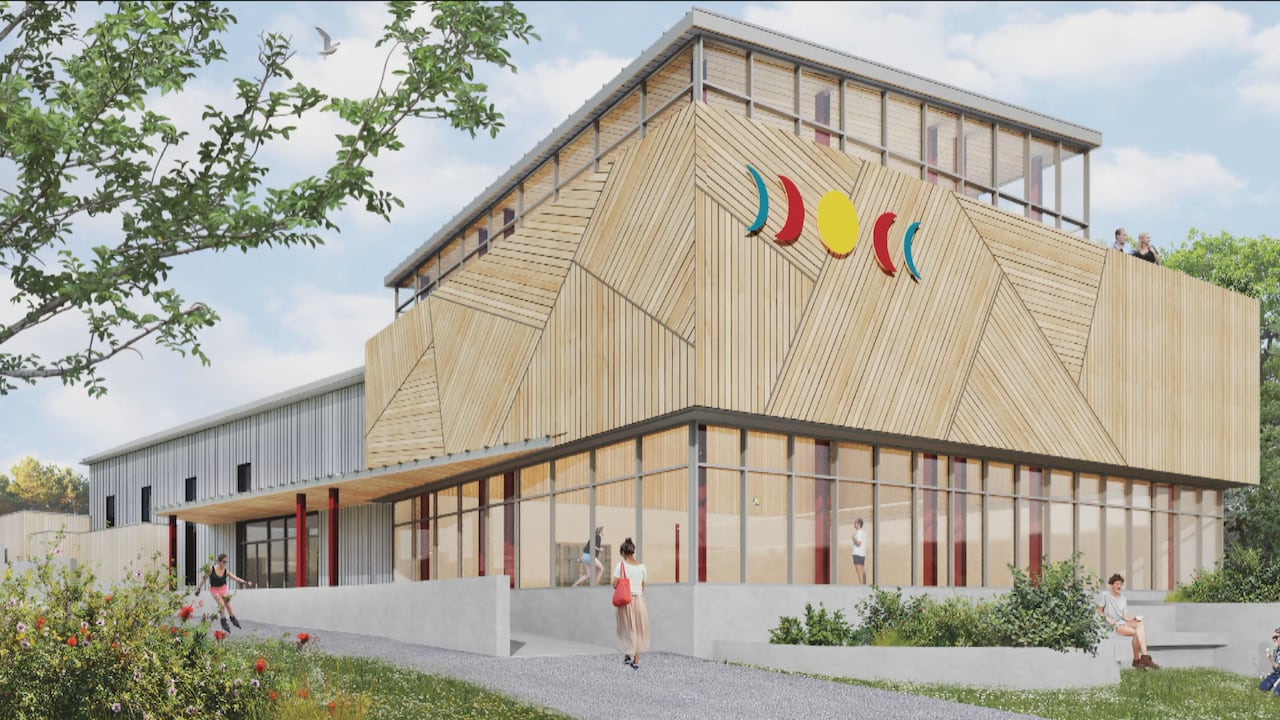 An artist’s rendering illustrates what the new First Light Centre in St. John’s is expected to look like when it opens. It’s expected to open in late 2026. (Woodford Architecture)
First Light’s new headquarters and community centre at 40 Quidi Vidi Road (former St. Joseph’s Church) in St. John’s is expected to open by late 2026. It will feature a gymnasium, community meeting spaces and a memorial garden for residential school survivors.
Bedard says the clinic will offer more services than the Community Care Clinics that have recently opened in Newfoundland and Labrador.
Bedard said that along with primary care, First light plans to provide culturally safe, trauma-informed care including mental health services, housing support, harm reduction and traditional medicine.
“Those are all really, really helpful when it comes to an individual’s health. Once you offer those things in the same location, it becomes a full wrap-around service, which means that an individual receives everything that they need, not just the physician’s care,” said Bedard.
The province hasn’t committed to funding it yet.
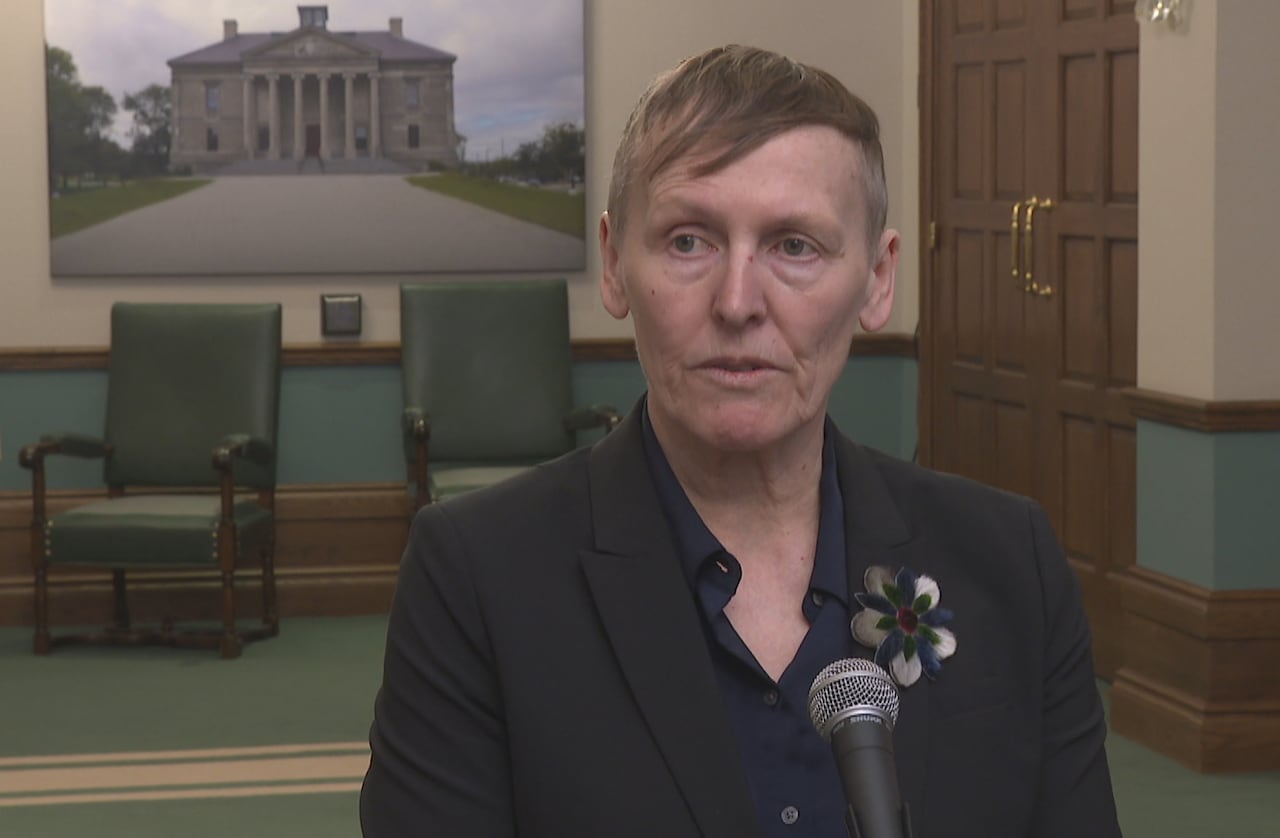 Torngat Mountains MHA Lela Evans is Newfoundland and Labrador’s Health minister (Henrike Wilhelm/CBC)
“We have actually met with First Light. We’re looking at their proposal. It’s a good proposal in terms of meeting the needs of Indigenous people who live in the region and also for Indigenous people who come to the region who may need access to health care,” said Newfoundland and Labrador Health Minister Lela Evans.
“One of the things that we have looked at is, is that going to compete with other resources? Is there going to be duplication of services? We have to be fiscally responsible in terms of health care dollars, but also we have to make sure that we’re meeting the needs of the people.”
Newfoundland and Labrador’s New Democratic Party’s leader believes the province should support the clinic.
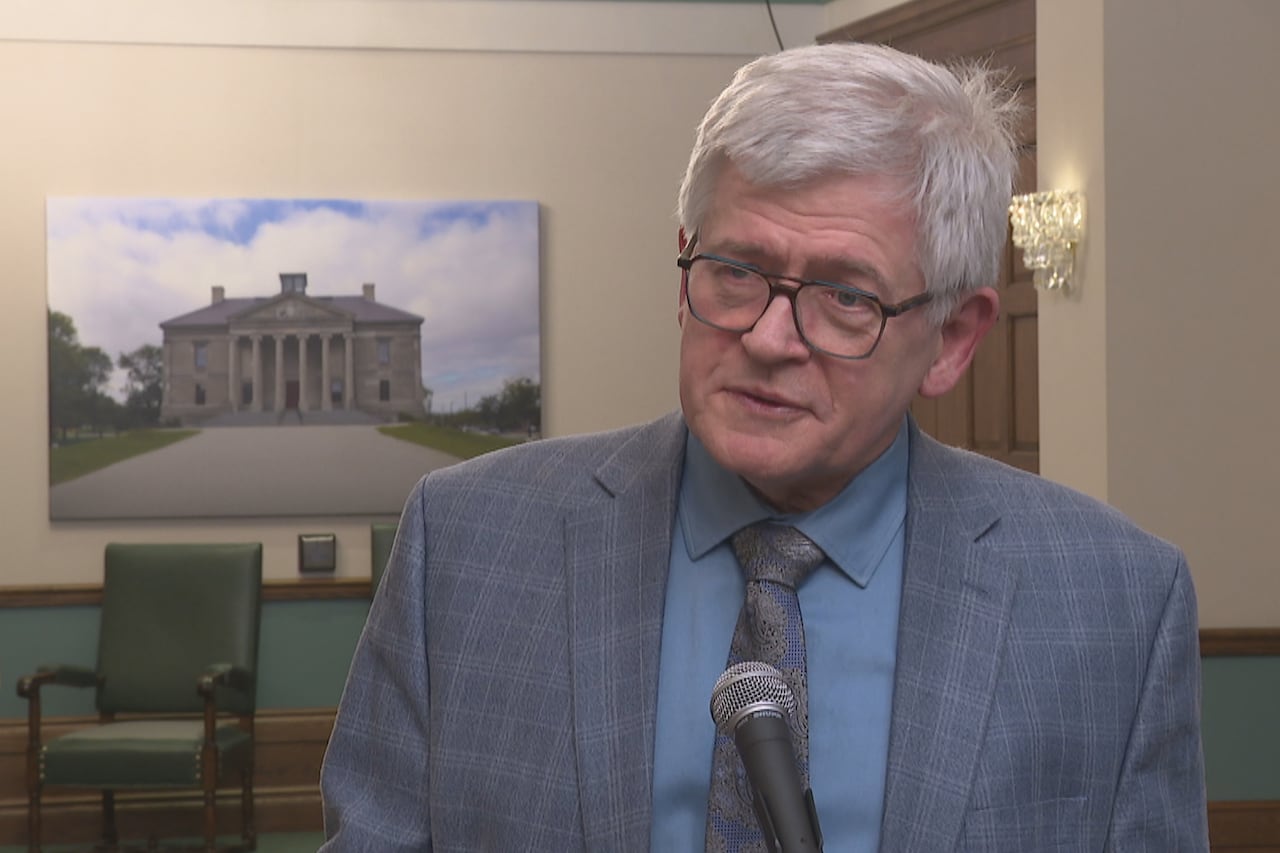 St. John’s Centre MHA Jim Dinn is the leader of Newfoundland and Labrador’s New Democratic Party (Henrike Wilhelm/CBC)
“It’s actually startling to hear the statistics that at least 1,300 Indigenous people, urban people are without a family physician, without that primary health care. So, there’s the benefit to the people who will receive this care and it solves a problem when it comes to emergency room visits or other consequences of not having people well looked after,” said Jim Dinn.
“So, we fully support that and hope to present a petition to that effect in the House of Assembly.”
Bedard expects the provincial government will agree that the clinic will make economic sense for all of Newfoundland and Labrador.
“We’re really hoping they see the cost benefit and realize that if they were to invest the under $1 million, they would receive $3 million back. So, it would be really, really silly for them not to invest in that. But if they decide to go against that, then we’ll have to make some different decisions.”