
Finest Galaxy yet
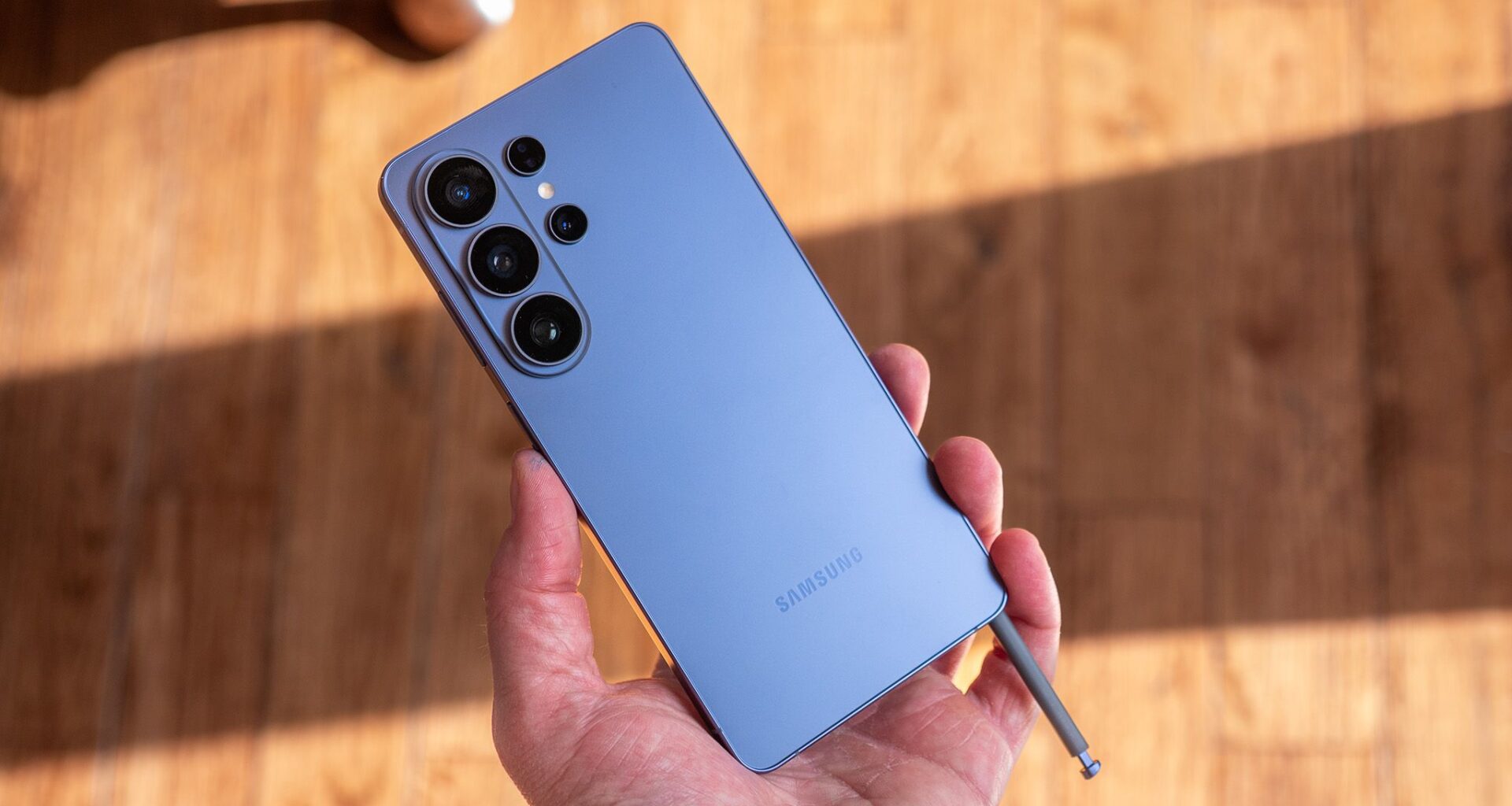
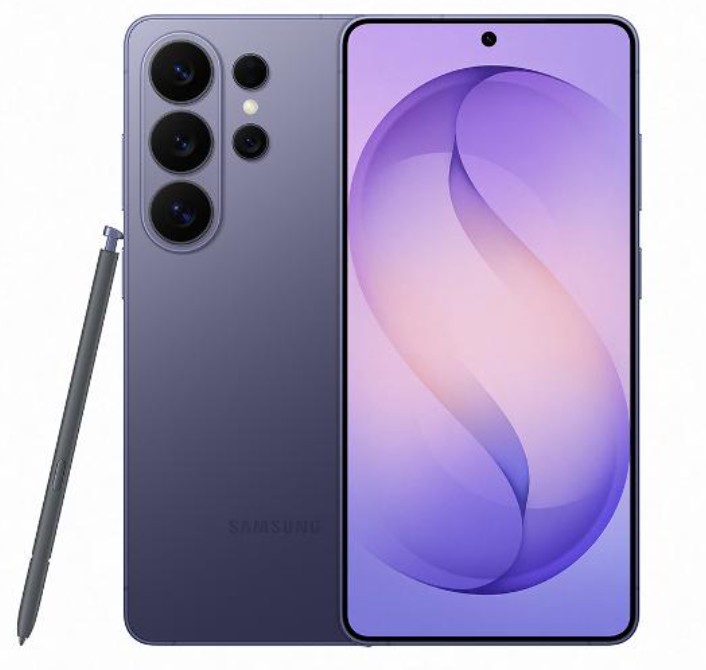
Samsung’s Galaxy S26 Ultra is here and it’s one hell of a flagship. Some of the standout features include the lighter design, Privacy Display feature, and 60W fast wired charging. Samsung has also kept the price the same as last time.
ProsSlimmer and lighter than the Xiaomi 17 UltraSeven years of software support60W wired and 25W wireless charging is a big step upSnapdragon 8 Elite Gen 5 SoC delivers amazing performanceWider aperture for main and tele cameras should offer quality boostPrivacy Display feature is very coolCons16GB RAM only for 1TB variantBattery capacity is the sameNo change to selfie cameraStill expensiveDisplay is not true 10-bit
The best cameras we’ve seen
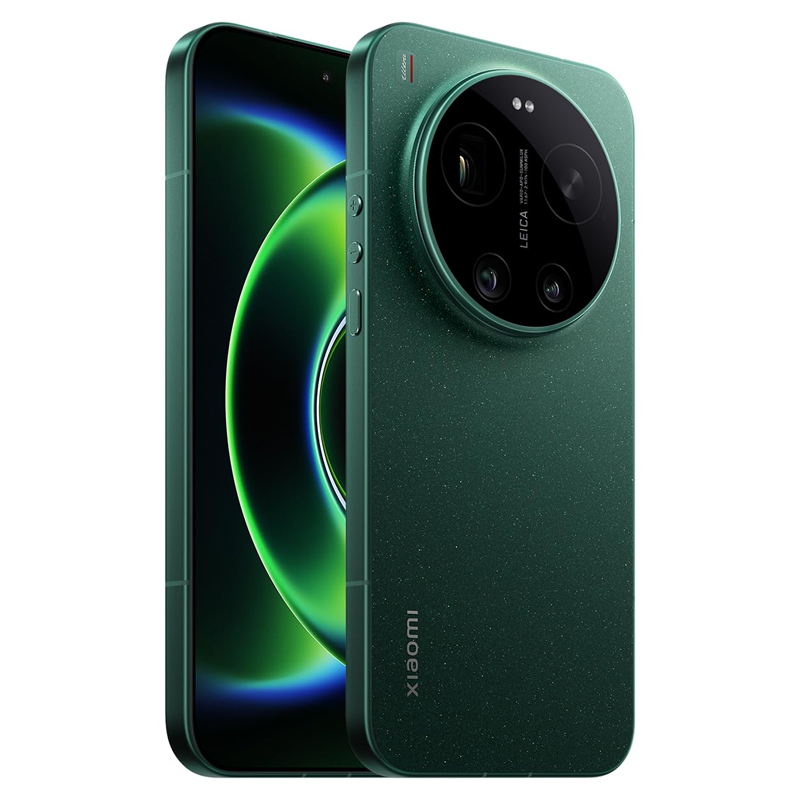
The Xiaomi 17 Ultra is now available globally and kicks the Galaxy S26 Ultra’s butt when it comes to the display’s color gamut, cameras, and battery life. The software has improved as well but more importantly, it has some of the best specs on any Android flagship today.
ProsIncredible 12-bit AMOLED display512GB storage in the base modelClass-leading 200MP telephoto cameraMassive battery with much faster charging than GalaxyAvailable globallyConsLacks stylusOS upgrades falls a little short compared to SamsungExpensiveHeavier and thicker
If you live in a region where you have the option to buy either phone, and you’re still finding it tough to decide, here’s everything you need to know about how these Samsung and Xiaomi flagships compare.
Article continues below
You may like
Samsung Galaxy S26 Ultra vs. Xiaomi 17 Ultra: Design and display
(Image credit: Sanuj Bhatia / Android Central)
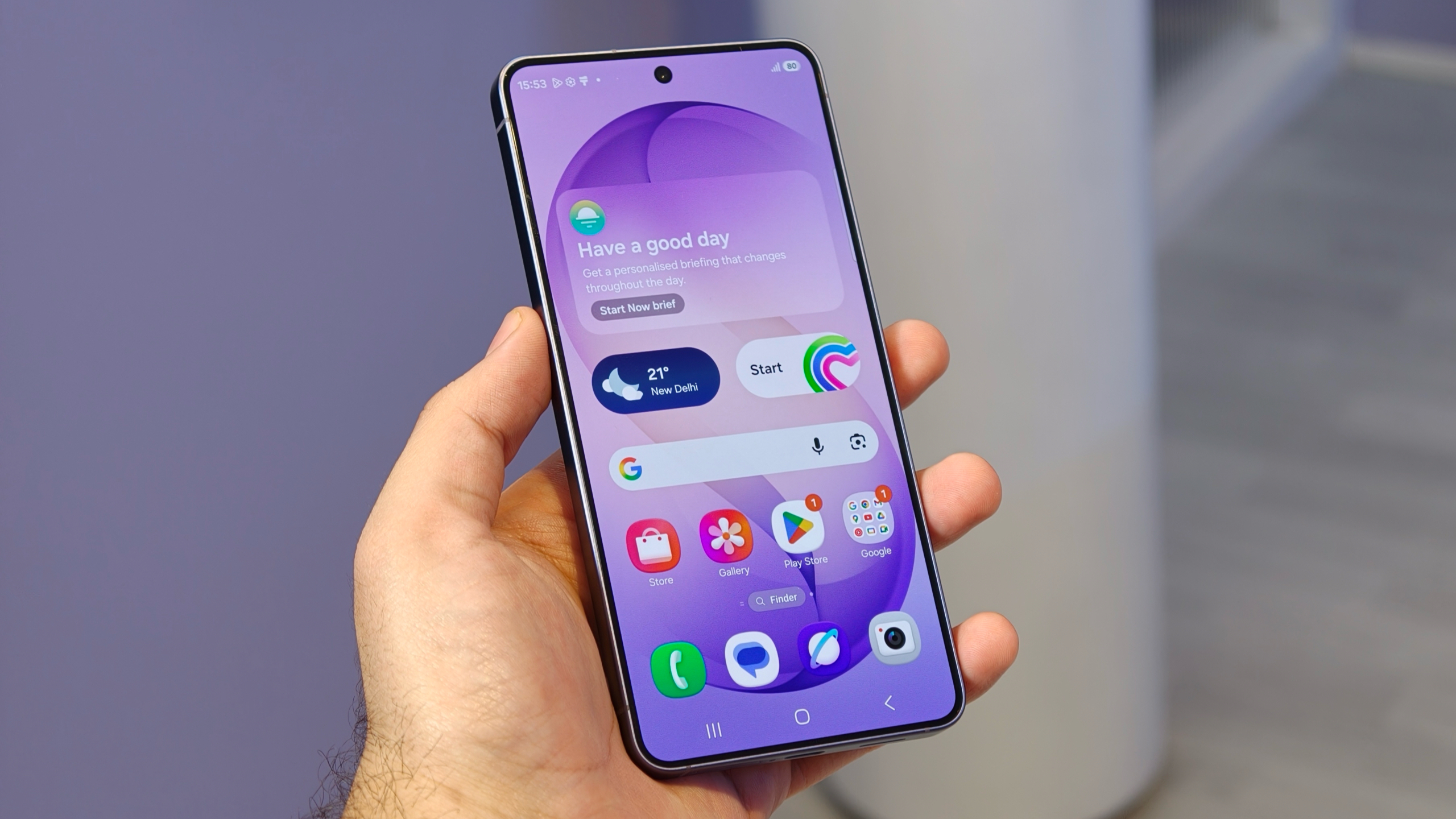
The Galaxy S26 Ultra gets a slight design makeover with gentler curves along the corners and an even slimmer and lighter design. This is much needed, given how the existing Ultra isn’t the most ergonomic for everyday use. The S26 Ultra measures 7.9mm thick and weighs 214 grams. This makes it lighter and slimmer than the Xiaomi 17 Ultra. The Galaxy also comes with a built-in stylus, which Xiaomi lacks.
The display on the Galaxy S26 Ultra is both impressive and disappointing. The downside is that it’s not the 10-bit panel previously advertised, but an 8-bit panel. Samsung, though, has managed to fake a 10-bit color profile via a process called FRC, also known as temporal dithering.
Senior Editor Nicholas Sutrich has done an impressive deep dive into this tech, and the verdict is that while the S26 Ultra does produce a 10-bit color gamut, a side effect of this technique is slight pixel flicker, which can induce headaches or eye fatigue if you’re sensitive to it.
(Image credit: Derrek Lee / Android Central)
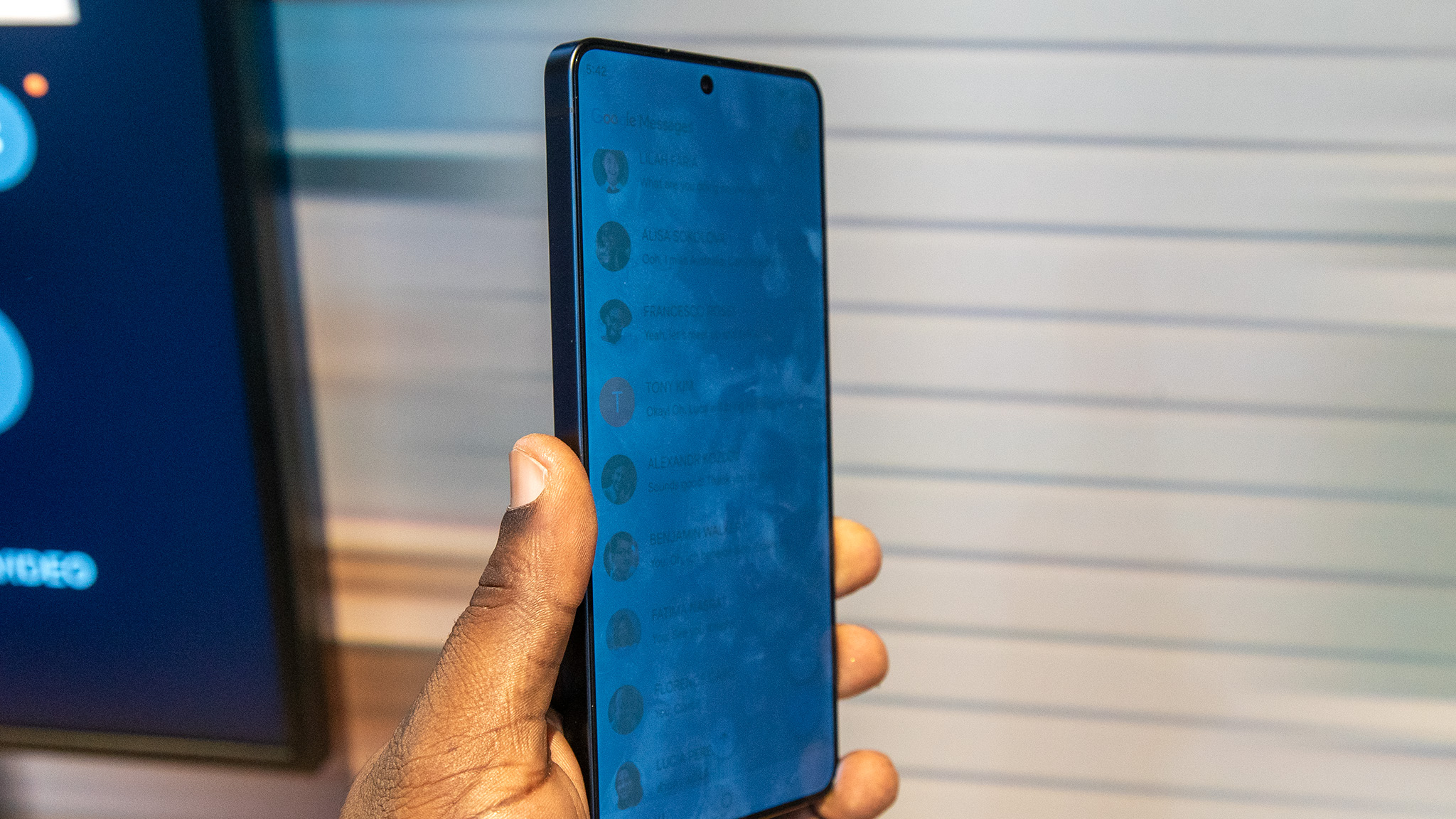
On a positive note, the new Privacy Display feature is quite amazing. It basically mimics the effect of privacy screen protectors at a pixel level, which darkens the screen if viewed from an angle. You can turn this feature on or off at any time and even customize it to trigger for specific apps. Not only that, even pop-up notifications from designated apps will be blacked out, which I personally think is a really cool trick, making it one of the best Samsung phones in the market.
(Image credit: Apoorva Bhardwaj / Android Central)
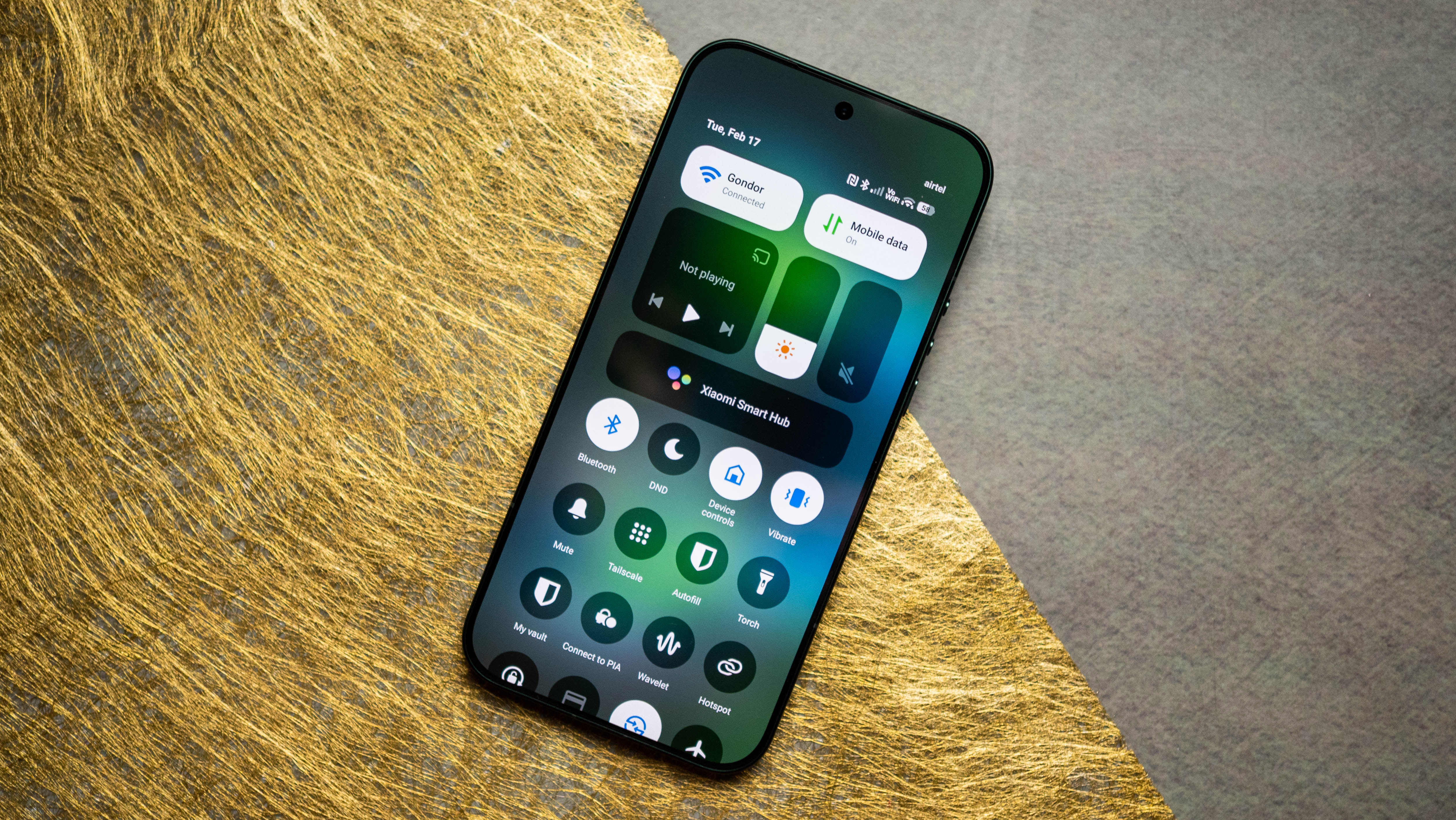
Xiaomi, on the other hand, has left no stone unturned, putting a 6.9-inch 12-bit AMOLED panel in the 17 Ultra. The result is an extremely vibrant screen with an incredible peak brightness of up to 3,500 nits (Samsung tops out at 2,600 nits). The resolution of the display is a tiny bit lower than the Galaxy’s, but the pixel count is still a healthy 400+ ppi, so you won’t notice any difference in sharpness even if compared side by side.
The Xiaomi 17 Ultra looks stunning in green, with its imposing circular camera island on the back. It gets an IP68 rating for dust and waterproofing, just like the S26 Ultra. It is a tiny bit thicker and heavier than the Samsung, but not by much. Build quality is fantastic, and it truly feels like a $1,000+ smartphone.
Samsung Galaxy S26 Ultra vs. Xiaomi 17 Ultra: Performance and specs
(Image credit: Derrek Lee / Android Central)
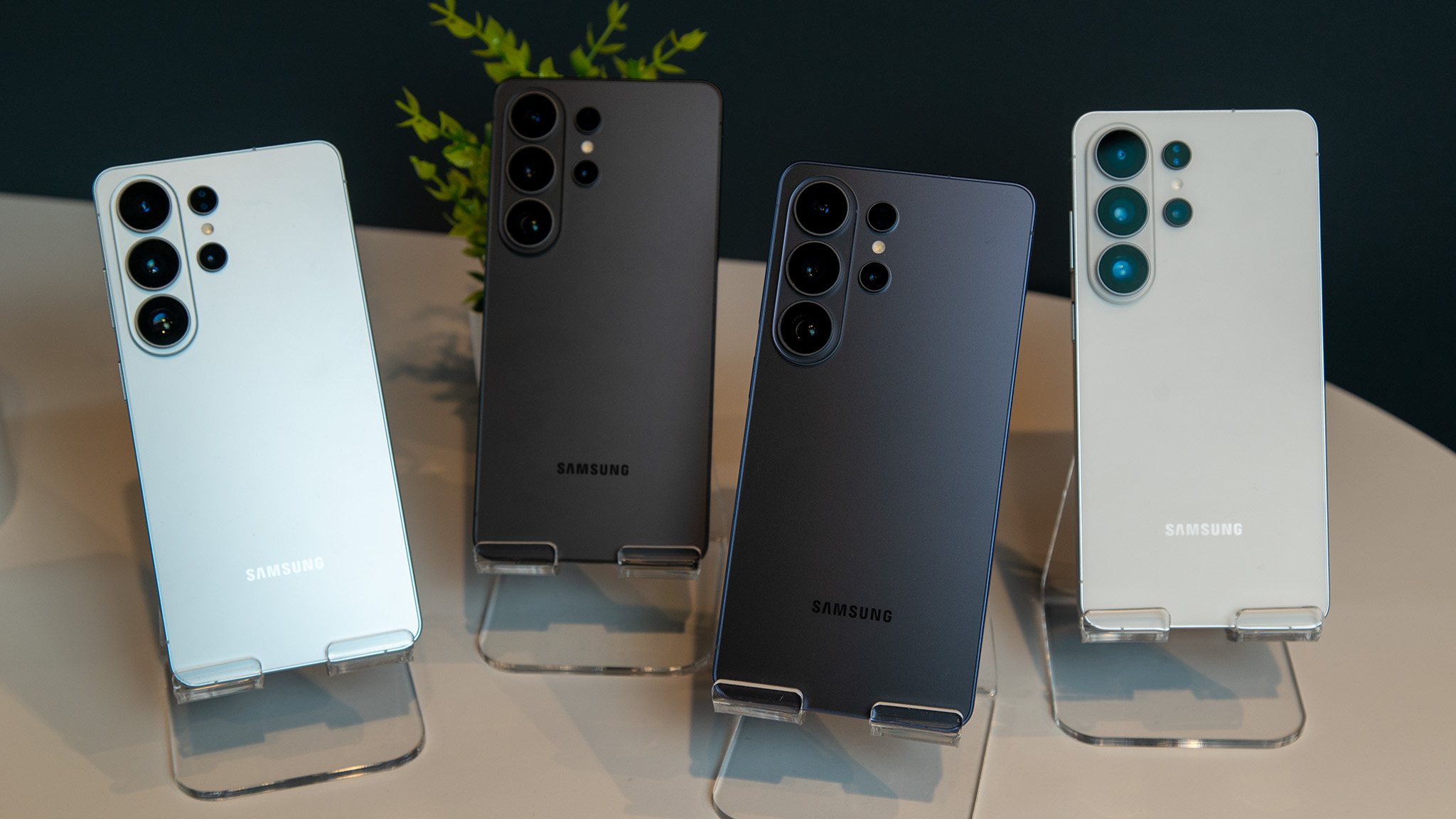
The Samsung Galaxy S26 Ultra uses a custom version of Qualcomm’s Snapdragon 8 Elite Gen 5 SoC, just like previous generations. The standard Snapdragon 8 Elite Gen 5 promises a 20% boost in CPU and GPU performance, while using 20% less power. The S26 Ultra ships with 12GB of RAM for the 256GB and 512GB storage tiers, but you get 16GB of RAM for the 1TB storage variant. Samsung has kept the pricing the same as before, as the Galaxy S26 Ultra starts at $1,299.99, which is good news. The other storage tiers are priced as follows: $1,499.99 and $1,799.99.
What to read next
We’re in the process of reviewing the S26 Ultra, and we have no doubt that it’ll simply breeze through our gaming and productivity tests. Performance has never been an issue with the Galaxy S line since it always uses the best Qualcomm SoC for that year. What will be worth noting is how well the Ultra handles heat during sustained workloads.
(Image credit: Apoorva Bhardwaj / Android Central)
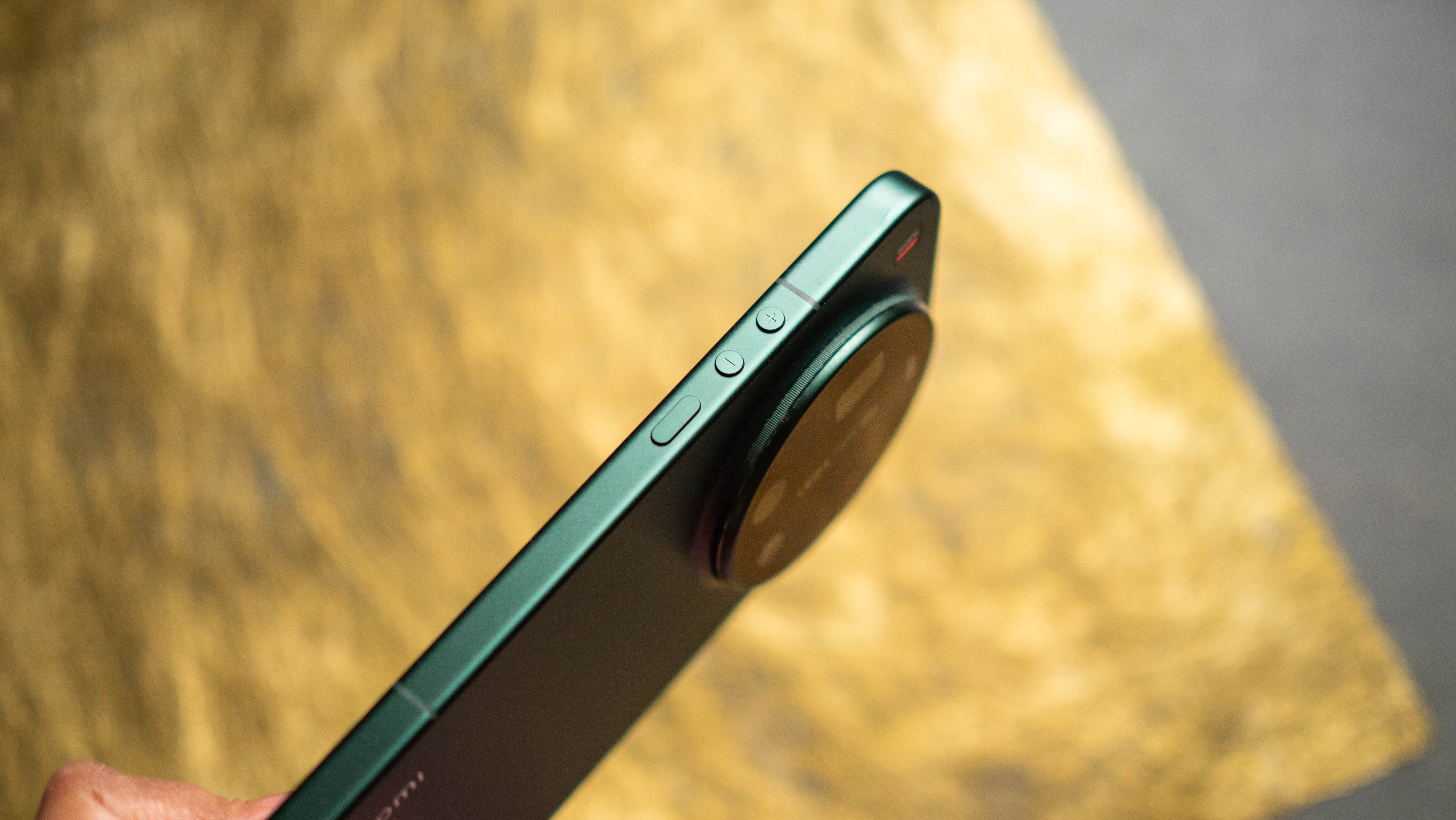
The Xiaomi 17 Ultra starts at an equivalent of €1,499 ($1,770) for the base variant with 16GB RAM and 512GB storage. There’s a second variant with 1TB of storage. Samsung’s pricing is more attractive for the equivalent storage tier, but the Xiaomi comes with more RAM, which is why it costs more.
It’s powered by the Snapdragon 8 Elite Gen 5 SoC, so performance should be similar to that of the Galaxy S26 Ultra. Xiaomi claims its 3D Dual-channel Ice-loop cooling system “improves thermal conductivity by up to 50%.” We’ll have to do a side-by-side comparo here to see which phone has better heat management.
Swipe to scroll horizontally
Category
Samsung Galaxy S26 Ultra
Xiaomi 17 Ultra
Display
6.9-inch QHD+ (3,120×1,440) AMOLED, 120Hz Adaptive Refresh Rate, Corning Gorilla Glass Armor 2, Anti-reflective coating, Privacy Display, up to 2,600 nits
6.9-inch AMOLED (2,608×1,200), 120Hz LTPO, Xiaomi Shield Galss 3.0, up to 3,500 nits
Processor
Qualcomm Snapdragon 8 Elite Gen 5 for Galaxy
Qualcomm Snapdragon 8 Elite
RAM
12GB / 16GB
16GB
Storage
256GB, 512GB/ 1TB
512GB, 1TB
Rear Camera 1
200MP, f/1.4,(wide)
Leica 50MP, f/1.7, 23mm (wide)
Rear Camera 2
10MP, f/2.4, 3x (telephoto)
Leica 50MP, f/2.2, PDAF (ultrawide)
Rear Camera 3
50MP, f/2.9, 5x (periscope telephoto)
Leica 200MP, f/2.4-3.0 (telephoto), 4.3x continuous optical zoom
Rear Camera 4
50MP, f/1.9 (ultrawide)
Row 7 – Cell 2
Front Camera
12MP, f/2.2
50MP, f/2.2, AF
Ingress Protection
IP68
IP68
Connectivity
5G (sub-6GHz, mmWave), Wi-Fi 7, UWB, Bluetooth 6.0
5G (sub-6GHz), Wi-Fi 7, Bluetooth 6.0
Battery
5,000mAh
6,000mAh
Charging
60W, Qi 2.2 Magnetic Compatibility w/ 25W wireless speeds
90W wired, 50W wireless
Dimensions
163.6 x 78.1 x 7.9 mm
162.9 x 77.6 x 8.3 mm
Weight
214 grams
218 grams
OS
One UI 8.5 w/ Android 16 (seven generations of OS upgrades)
HyperOS 3 w/ Android 16 (six years of security and HyperOS updates)
The Samsung Galaxy S26 Ultra retains the same battery size of 5,000mAh but finally gets faster 60W wired charging. Wireless charging speeds have also gone up to 25W, and the phone is compatible with Qi2 via a case. Given the more power-efficient SoC, we could expect to see an increase in battery life with regular use.
While we haven’t compared them yet, the Xiaomi 17 Ultra appears to have even better battery life than the Samsung thanks to its huge 6,000mAh capacity. In our usage experience, this easily gets you through one full day of heavy usage. What’s even better is the 90W wired charging, which can fully charge the phone from empty in under 50 minutes. You also get 50W wireless charging, which is way higher than what Samsung offers.
(Image credit: Derrek Lee / Android Central)
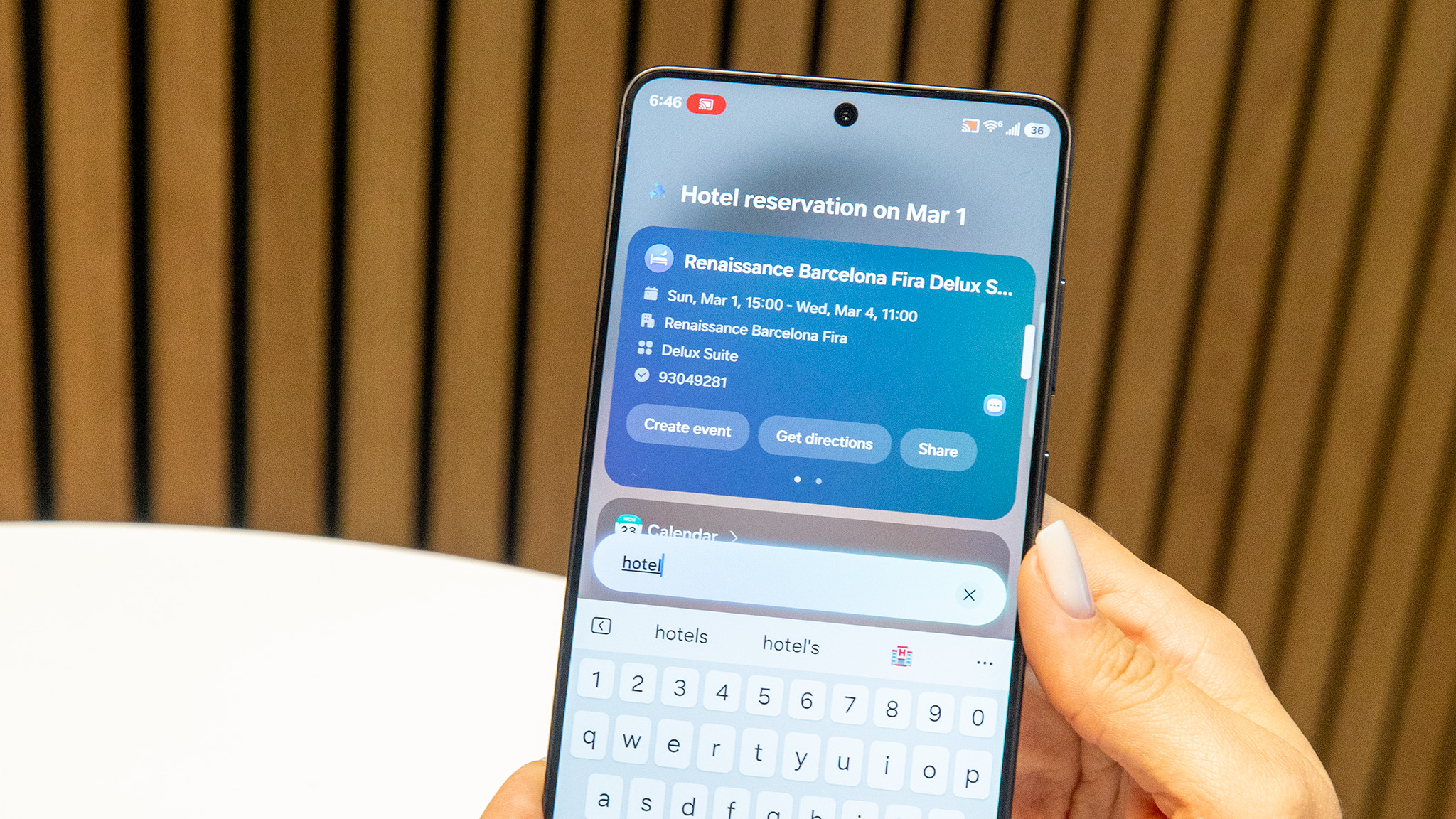
Xiaomi’s HyperOS has come a long way from the MIUI days, but it still has its share of quirks with certain apps like Wordle simply refusing to run. To their credit, other areas like memory management and notification spam have been addressed quite a bit. Xiaomi has also upped the long-term update commitment to six years for the 17 Ultra. However, this is six years of HyperOS updates, which might not necessarily translate to six Android OS versions.
Samsung continues to offer seven generations of Android OS upgrades and security updates. The latest version of One UI comes packed with new AI features, some of which feel like variations of Google Pixel’s AI features. For instance, Now Nudge is similar to Magic Cue, where it automatically gives you contextual suggestions in certain apps. Samsung now has its own call screening feature, while Photo Assist borrows features from Google Photos, where you can simply tell it what changes you wish to make to the photo in natural language.
Samsung Galaxy S26 Ultra vs. Xiaomi 17 Ultra: Cameras
(Image credit: Apoorva Bhardwaj / Android Central)
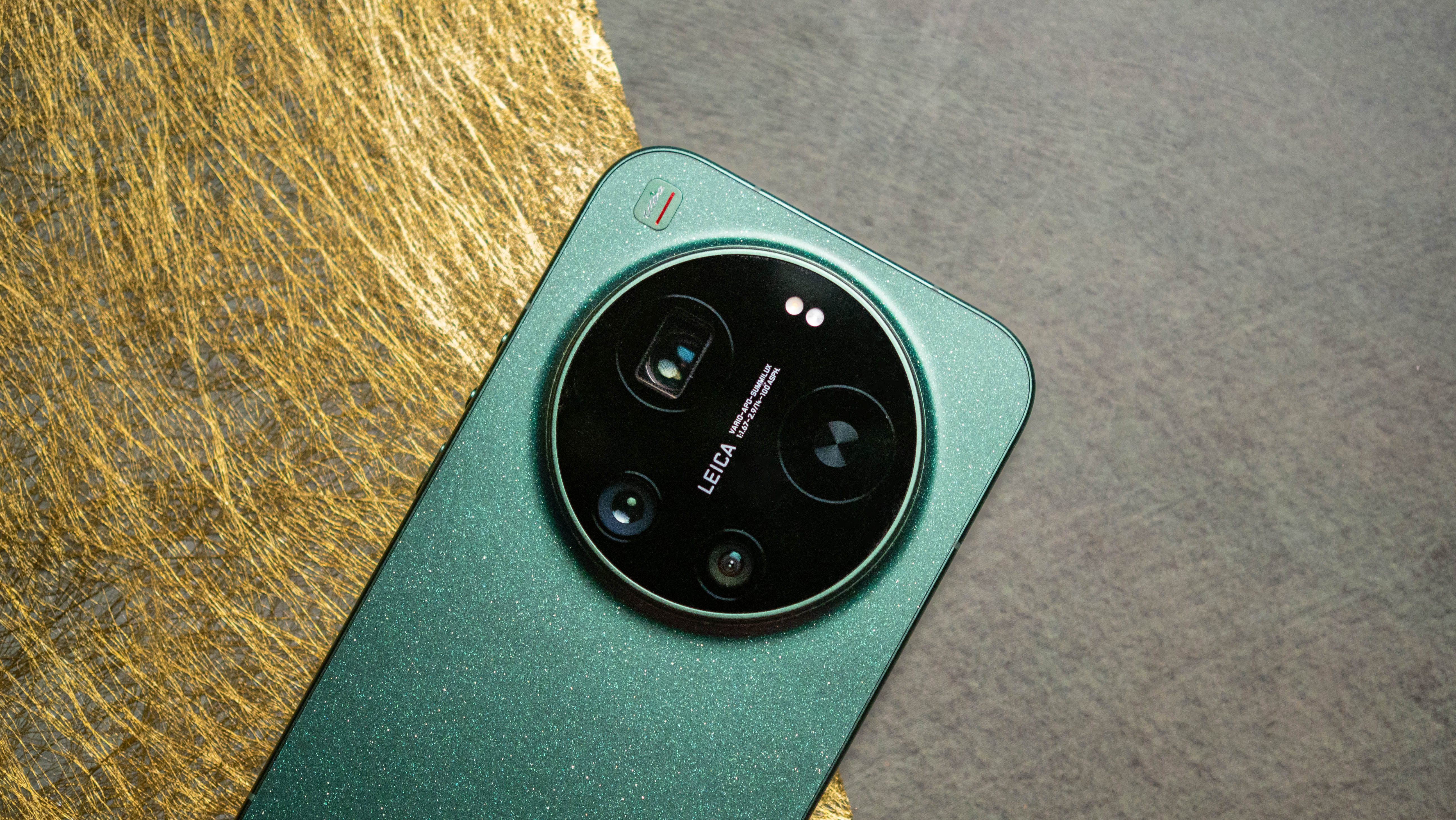
The Xiaomi 17 Ultra definitely has a more impressive camera setup. There’s a 1-inch main 50MP sensor that captures truly detailed photos with natural colors. Then there’s the 200MP telephoto that has something called “continuous zoom,” which allows you to get optical-quality shots from 3.2x to 4.3x. The ultrawide camera is no slouch either, with a 50MP sensor with autofocus. All three cameras have been co-engineered with Leica.
The front camera is a 50MP sensor with autofocus. Video capabilities are equally impressive, with all four cameras being able to shoot Dolby Vision HDR video at 4K 60fps.
(Image credit: Derrek Lee / Android Central)
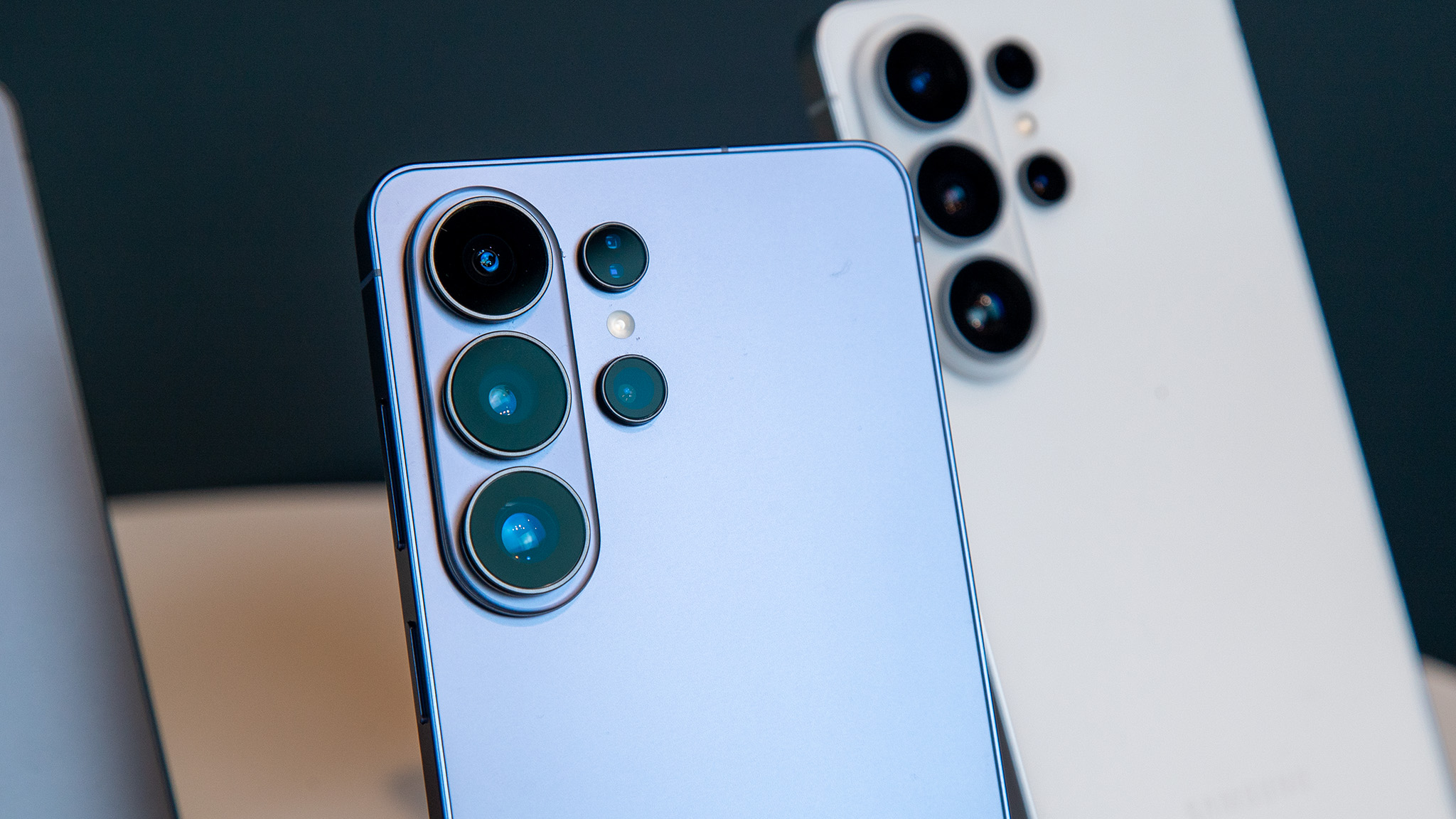
The Samsung Galaxy S26 Ultra doesn’t shake up the camera system too much from its predecessor, but what you get are wider apertures for the main and 5x telephoto cameras. Ideally, this should result in brighter, cleaner low-light shots. The Ultra series, so far, has had some of the best cameras on a globally available Android flagship, but this changes with the entry of the Xiaomi 17 Ultra.
Software trickery can only take you so far, but there’s no substitute for a physically larger sensor, which is something the 17 Ultra possesses. We’ll definitely try to do a camera comparison between these two phones in the future, but I have a sneaking suspicion that Xiaomi will beat out Samsung in this area.
Samsung Galaxy S26 Ultra vs. Xiaomi 17 Ultra: Which one should you buy?
(Image credit: Derrek Lee / Android Central)
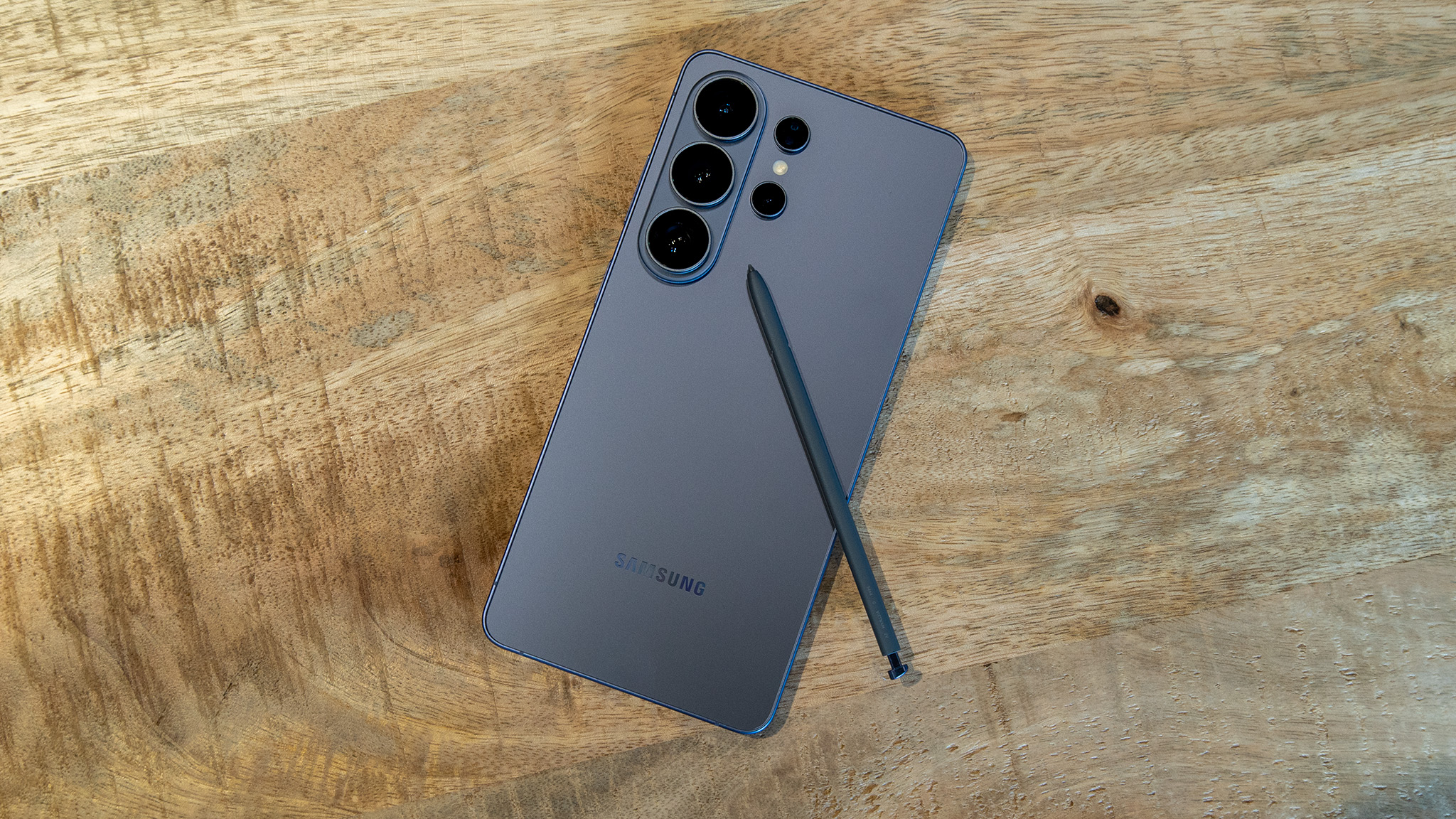
As tempting as the Xiaomi 17 Ultra looks, I think the safest choice for most buyers will be the Samsung Galaxy S26 Ultra. It’s hands-down the most boring choice next to the Xiaomi, but Samsung has generally had a good track record of after-sales service and software updates. At the end of the day, you can’t really put a price on peace of mind knowing that the company has you covered if something were to happen to your device.
The problem with the Xiaomi 17 Ultra is that it still lives in the shadow of the brand’s “budget” perception that many of us have. Xiaomi has been trying to break out of this for years, which is why we’re seeing its flagships released to more countries every year rather than just China.
Paying around $1,700 for a Xiaomi is a tough pill to swallow, but if you want the absolute best set of cameras, this is your best bet right now. For the few mobile photography and videography enthusiasts who don’t mind putting up with the quirky software, you’re in for a real treat. The price then becomes a non-issue when you know that you’ll make the most of the hardware in the phone.
A safe choice for most
The Samsung Galaxy S26 Ultra doesn’t wow you like the specs of the Xiaomi 17 Ultra, but it’s a safe and reliable buy for most users.
Best camera hardware on a phone
The Xiaomi 17 Ultra is not for everyone but if you’re a true-blue mobile photo and video enthusiast, you might want to give this a second look.