

Listen to this article
Estimated 4 minutes
The audio version of this article is generated by AI-based technology. Mispronunciations can occur. We are working with our partners to continually review and improve the results.
The Saskatchewan government’s new health-care plan, unveiled this week, aims to connect more people to primary care.
Not everyone has faith the government will meet its targets, which include reducing surgical wait times.
The 25-page Patients First Health Care Plan lays out more than 50 actions the government plans to take to ensure Saskatchewan residents are “receiving the right care in the right place at the right time,” according to Premier Scott Moe.
Moe said the plan announced on Monday targets the following goals to be achieved by 2028:
Every person in Saskatchewan having access to a primary care provider.90 per cent of patients receiving diagnostic scans within 60 days of being referred.90 per cent of patients having a three-month wait time for surgery.Completing 450,000 surgeries over the course of four years.
To meet the surgical targets, Moe said more private surgery clinics will be paid to perform procedures that are publicly funded.
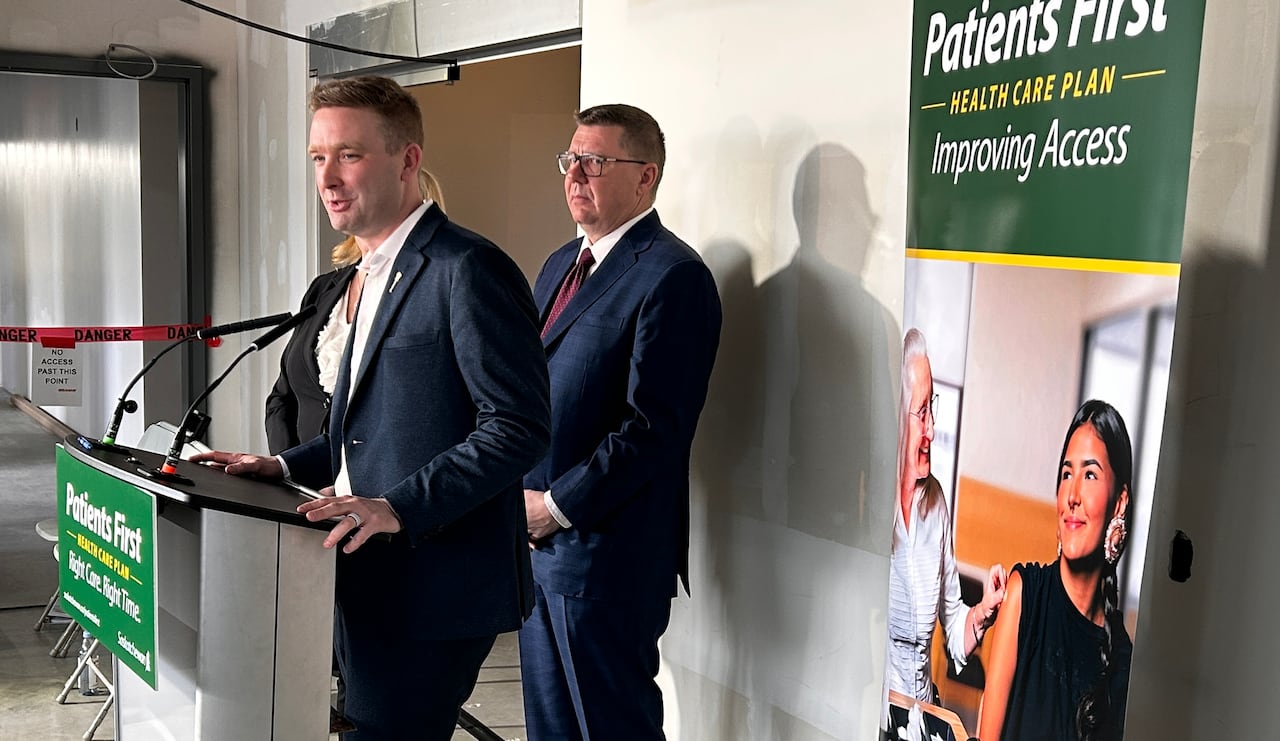 Health Minister Jeremy Cockrill, front, speaks about the province’s new health-care plan at a press conference on Monday, March 9, 2026, at the under-construction Urgent Care Centre in Saskatoon. (Trevor Bothorel/CBC)
Currently, private providers do surgeries on joints, eyes and the vascular system.
Health policy consultant and retired family physician Dr. Dennis Kendel said private surgery clinics are entrepreneurial and profit-focused.
“I don’t think it is a good idea. Every private clinic has its own objectives and it’s striving to earn a certain income based on what it can do surgically,” Kendel said.
Kendal said the Ministry of Health needs to do a system analysis looking into what surgeries need to be prioritized, and make that analysis public.
“We need a much more comprehensive, integrated approach as opposed to just having each private clinic saying, ‘Gosh, we can do 50 gallbladder surgeries this month,'” he said.
“Well … hello? That takes up OR time. It takes up other resources. Where is the process where we integrate the benefit of doing 50 more gallbladder procedures as opposed to 50 other procedures?”
If priorities aren’t set and there’s no integrated approach to using private surgery clinics, it will be “everybody out for themselves,” he said.
“If you’re a general surgeon and you make your income from doing a variety of surgical procedures, you’re going to be out there flogging for as much work as you can get. That’s an entrepreneurial system.
That approach is not consistent with the broad public interest and how public dollars are being used, he said.
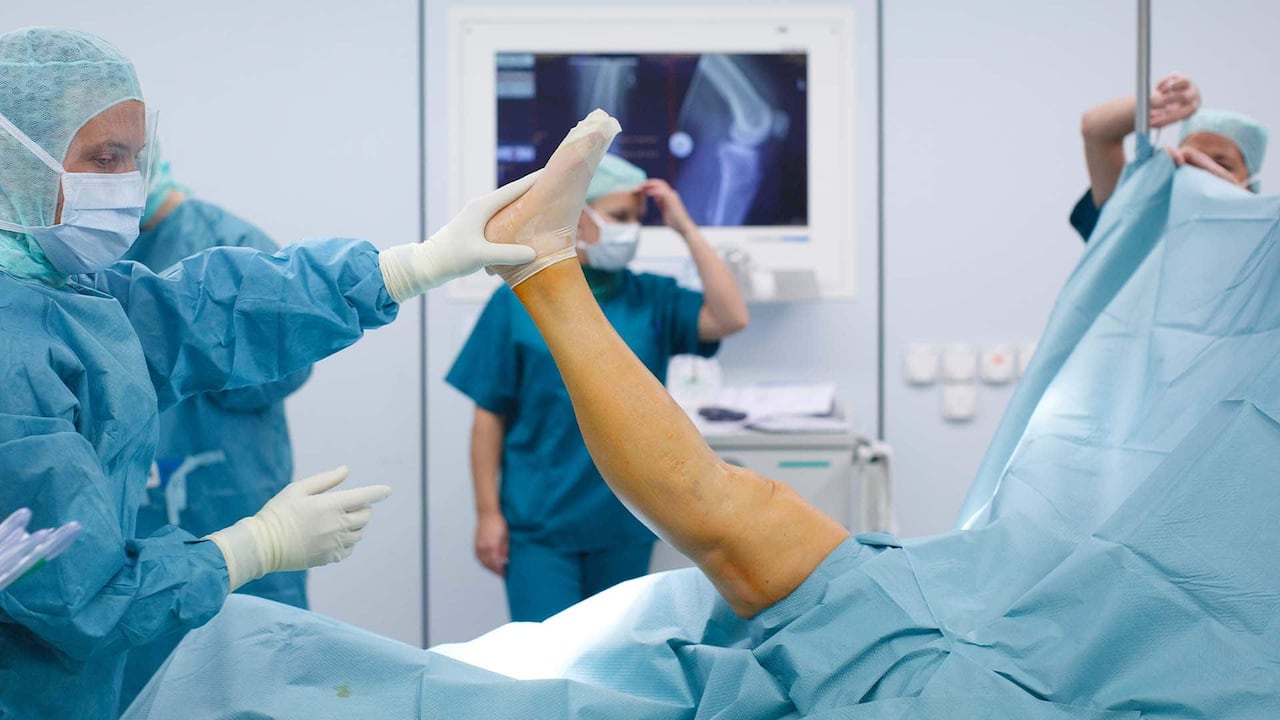 Currently, private providers do surgeries on joints, eyes and the vascular system. (Submitted)
In a statement, the Canadian Union of Public Employees (CUPE), which represents Saskatchewan health-care workers, said it’s concerned the provincial government has not learned from what it calls “failed privatization schemes.”
“They know private health care costs more, erodes quality of care, does little to reduce wait times, and pulls health-care workers out of the already short-staffed public system,” said CUPE local 5430 president Bashir Jalloh.
Steven Lewis, a health policy analyst, said the province’s last health-care improvement plans haven’t met their targets. Analysis of which surgeries to prioritize and how to integrate them into the system is a must, he said.
“A whole bunch of people, at least a substantial number of people, don’t wait at all. And yet you have these enormous numbers of people who wait an unconscionable length of time,” Lewis said.
“That’s a management problem. That’s a streamlining problem.”
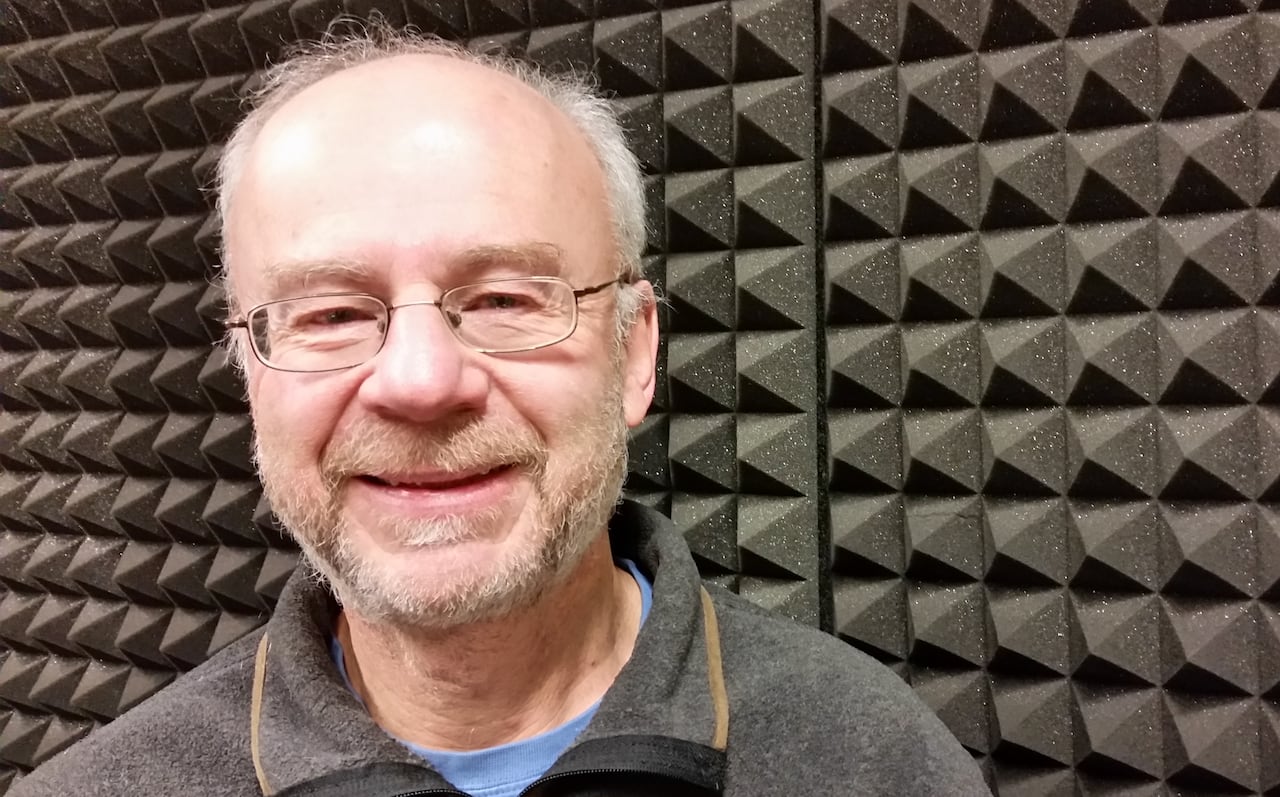 Steven Lewis is a health policy analyst formerly based in Saskatchewan. (CBC News)Virtual care expansion
Health Minister Jeremy Cockrill said linking patients to primary care will also be achieved by expanding access to virtual care for all residents of the province.
He pointed to Whitecap Dakota First Nation’s virtual health hub as a model and said certain communities will receive access to virtual care visits first.
“I think adding more virtual primary care is going to help us make a significant dent on that in the short term and then help support the long-term role that virtual care is going to play in our system,” Cockrill told CBC.
Multiple health-care experts said expanding virtual care is a strength of the Patients First Health Care Plan.
“I think that’s a smart thing to do, especially rural and remote areas,” Lewis said.
Overall, he gives the new plan “some pretty high marks in some areas because it’s a bit more explicit than former plans,” he said.
However, he said the province needs to be careful to stay the course and regularly analyze what is working and what isn’t in order to make long-lasting change.