
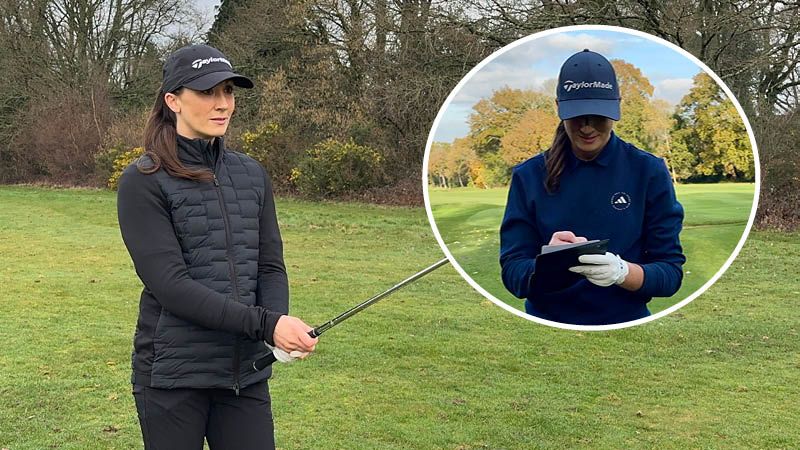
For many of us, the winter has been spent making swing changes, whether that’s a new takeaway, improving weight shift or trying to find a more reliable ball flight.
I’ve been doing the same. Over the last few months, I’ve gone deep into the changes I’ve wanted to make in my swing for a long time – the things I knew needed to improve if I wanted to take my game to the next level.
Article continues below
You may like
It’s when we can test our game on the course, learn what’s working and build the habits that will help us perform once the pressure of having a card in our hand returns. Here are five ways to start preparing your game for the competitive season ahead.
Use Casual Rounds To Build Confidence
Before those competitions arrive, casual rounds are incredibly valuable. Even if conditions are still muddy or more challenging than usual, they’re a brilliant way to benchmark where your game is at.
Casual rounds also give you the freedom to experiment. You can test the swing changes you’ve been working on over the winter and see how they behave on the course. Or try recovery shots you might avoid when there’s a scorecard present.
Can I get through that gap? Does it pay to be safe or bold here? Sometimes those experiments lead to confidence-building moments. Other times they reveal which risks simply aren’t worth taking.
You might discover, for example, that the punch shot under a tree that you thought you could pull off often ends up clipping a branch and dropping straight down.
Those little lessons are incredibly useful. Every round becomes a source of information about which shots you can rely on and which ones might be better avoided when your score actually matters.
Shift Your Practice From Technique To Target
The winter months are often focused on technical work. But as the season approaches, it becomes increasingly important to shift your focus from mechanics to performance.
What to read next
This is something I’m working on myself at the moment, balancing swing work with putting those changes to the test through target-focused practice.
Instead of hitting ball after ball thinking about swing positions, I’ll set clear targets on the range and try to hit them. Doing this helps me get back into the mindset I’ll have on the course and it quickly shows where my swing is at. Am I starting the ball on the intended line? Is it finishing within the window I pictured?
This stage of the season is about reconnecting your swing with the task that actually matters on the course – sending the ball towards a specific target.
It also builds confidence in what your current swing can produce. By the time the competitions begin, you want to feel like you have a clear understanding of the shots you can rely on.
(Image credit: Jess Ratcliffe)
Seek Out Situations That Add Pressure
One reason those opening competitions of the season can feel a little nervy is that it’s often the first time in months we’ve experienced any real pressure on the course.
Winter golf tends to be more relaxed. Expectations are lower, there’s no scorecard in your back pocket and the rounds feel more about battling with the elements. Then suddenly the first medal round arrives and everything feels slightly different. A little tighter – because now every shot means something.
A useful way to prepare for this is to start deliberately seeking out situations that add a little pressure to your rounds.
That might mean joining a roll-up with players you haven’t met before, adding your name to a tee time with someone new or asking a fellow golfer – who you would be nervous to play with – for a match.
These situations naturally raise your level of focus and bring back that feeling of needing to perform. Even if it’s not quite the same as having a competition card in your hand, you still care about the outcome.
And that’s the point. The goal isn’t to play perfectly. It’s to get comfortable playing in situations where the result matters a little more.

(Image credit: Jess Ratcliffe)
Gather Data To Identify Your Scoring Leaks
As you start to play more rounds, this is a great time to begin paying closer attention to where you’re actually losing shots on the course.
The biggest improvements in scoring rarely come from general practice. They come from identifying specific patterns in your game and working deeply on improving them. Maybe it’s those approach shots that consistently finish short of the green or those 50-yard pitches that leave you with a long first putt.
By making a note of these “leaks” – as I like to call them – during your rounds, you start to uncover the patterns in your play.
And it’s this information that creates a feedback loop between your play and practice.
Instead of wondering what to work on, your rounds provide the answers. By focusing your practice on plugging those leaks, you’ll know you’re improving the areas of your game that will have the biggest impact on your scores.

(Image credit: Jess Ratcliffe)
Work On The Hard Shots
Another useful habit to build before the competitive season arrives is proactively practicing the shots that make you uncomfortable. The ones you would rather avoid on the course.
It’s easy to spend practice time hitting the shots we like – comfortable lies on the range or simple chips around the green. But the shots that tend to cost us the most are often the ones we practice the least.
This is a great time to start putting yourself in those tougher situations. That might mean chipping from a tight lie where you have very little margin for error, practicing bunker shots to a tight pin or landing a pitch over a bunker to a small landing spot.
These shots can feel intimidating but by taking them on in your practice, you build familiarity and confidence. You’ll also quickly learn what works and what doesn’t in those situations.
That knowledge makes a big difference when you find yourself facing a similar situation during a round. Instead of hitting-and-hoping, you can step into the shot knowing you’ve played it before.
Preparing for the competitive season isn’t just about finding a better swing. It’s about understanding your game, building confidence in the shots you’ll need and building your bandwidth for pulling off a solid score when it counts.