
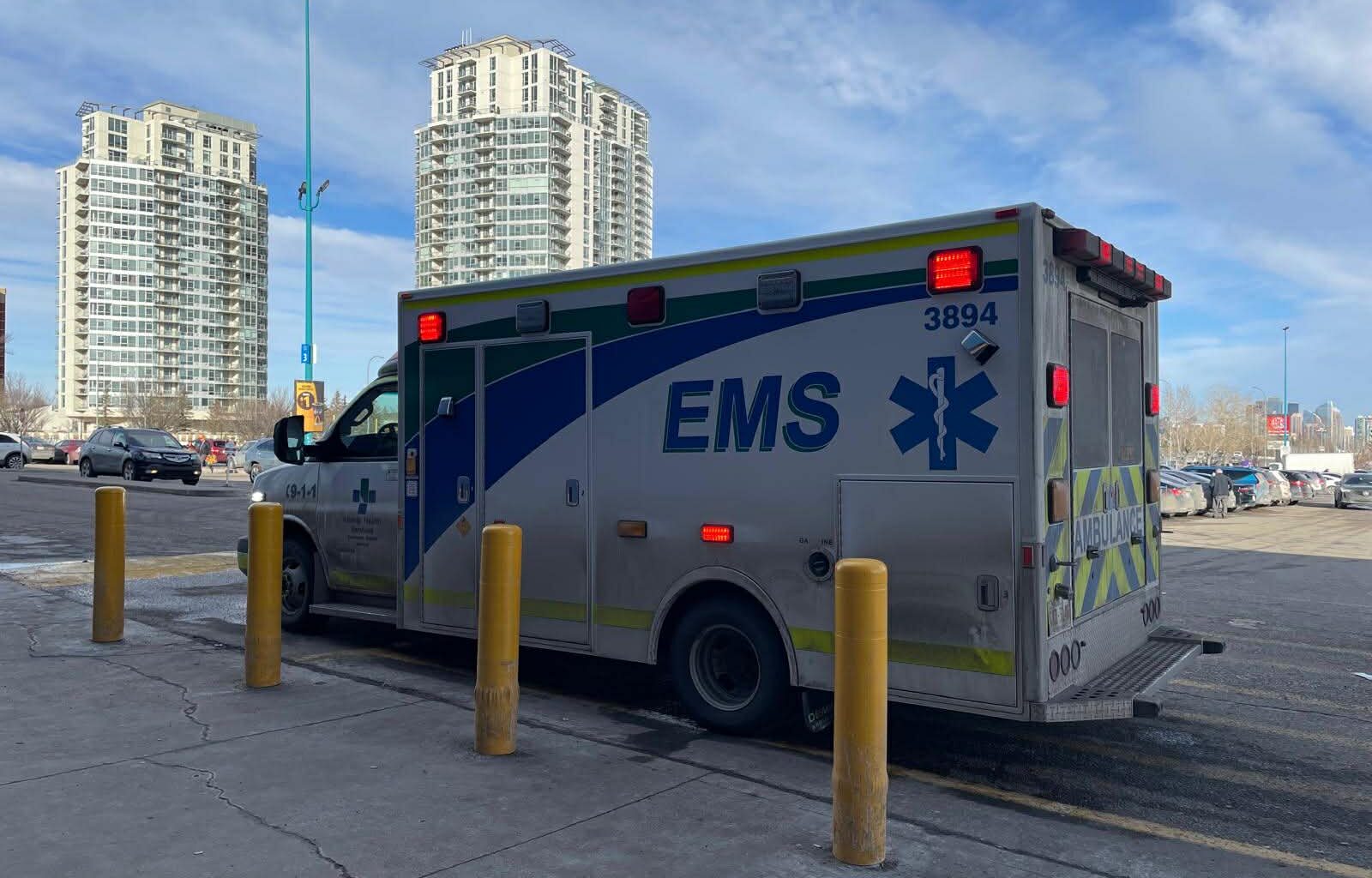
Alberta says new paramedic units will begin responding to some low-priority, low-acuity calls in Calgary later this month as part of a pilot program aimed at keeping ambulances available for life-threatening emergencies.
In a March 12 news release, EHS-Alberta said the Health Evaluation and Linkage Paramedic Unit (HELP-U) pilot will launch March 17, adding six non-transport vehicles to the provincial fleet — three in Calgary and three in Edmonton.
EHS-Alberta says close to 40 per cent of 911 calls to the service do not result in a patient being transported by ground ambulance to an emergency department or urgent care centre.
The vehicles will be staffed by a single Primary Care Paramedic and dispatched to low-priority, low-acuity calls where patients are not expected to require urgent or emergent transport to hospital.
“HELP-U is about ensuring patients receive the right care in the right place,” said Les Fisher, Managing Director and Chief of EHS-Alberta. “By responding to appropriate low-acuity calls with non-transport units, we can keep ambulances available for time-critical emergencies while still delivering high-quality care and connecting patients to the services they need.”
HELP-U paramedics will respond in non-stretcher-capable vehicles equipped with standard paramedic medical equipment. They will assess and treat patients on scene and link them to appropriate care options such as walk-in clinics, urgent care centres, primary care providers, pharmacies, family transport or taxi services.
“The HELP-U pilot is one of several initiatives aimed at supporting low acuity patients through assessment and shared decision-making on scene,” said Anne MacDonald, Chief, Operations, EHS-Alberta. “It will support on-scene assessment and connect patients to appropriate community-based care when safe while preserving emergency ambulance capacity for time-critical events.”
If a patient’s condition requires urgent or emergent transport, additional Emergency Health Services resources will be dispatched to provide advanced care and ambulance transport.
EHS-Alberta says the pilot program will run for 12 months, with the possibility of extending or expanding the units based on the results.
Sign up to get the latest local news headlines delivered directly to your inbox every afternoon.