
 4 min read
Peter Abraham started riding at 16 because he had to. He had crashed his dad’s car, and a bike was his only way to get around. A serendipitous meeting with Greg LeMond a few years later cinched it: He was going to be a pro racer. “Greg LeMond came into the store all kitted out—he was buying Gatorade and some candy bars in the middle of a training ride—but he stopped and talked to me for maybe 15 minutes,” Abraham recalls. “It was like fate was intervening.”
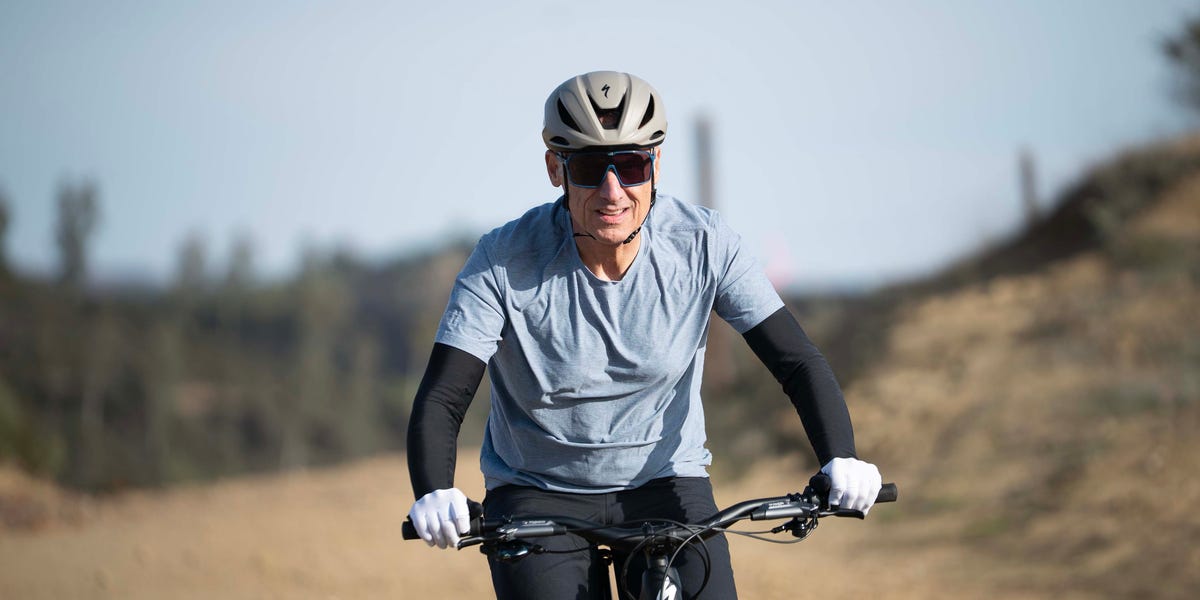
Abraham managed to put together a brief pro career but then hung up his race wheels until he hit his early fifties. Now, at 62 years old, he knows he needs more than just powerto keep riding strong. It’s his tactics, his skills, and love of the cycling community that keep him going. If you spot him on a group ride, he’s likely making a new cyclist feel more comfortable—or he’s up at the front with the fast riders, following their lines and marking them in corners.
He’s worked hard over the past 15 years to regain and then maintain his speed and endurance. He’s the coach of Bicycling’s member-exclusive Ride Strong at 50+program. In addition to all the valuable training tips, workouts, and advice he dishes out in that program, he says these are the three of the most important skills to master.
Bicycling’s Exclusive Training ProgramGetting Comfortable on Group Rides
Finding your cycling community is the key to a happy cycling life, Abraham says. That may mean just having a few friends who are always up for a ride, or it may be something more formal like a club or team that you join. If you’re a newer rider, though, going to that first group ride to try to make some cycling friends can be intimidating.
“I recommend looking for a group that offers different levels of rides,” Abraham says, citing the Breakfast Club in Austin, Texas, as a great example. They offer an A, B, C, D, and E group, where the A’s represent a stacked bunch including some local pros, and the E group is primarily people showing up with flat pedals and sneakers. They also offer a women-only ride.
“Look for a ride that fits your current ability level,” he says. Starting with a group that’s actually a little slow for you is a great way to get the hang of riding with a group, learning how to draft comfortably, and it lets you more easily chat with other riders and gain confidence, rather than going out with a group that pushes you to your fitness limit.
Dial In Your Cornering
There are plenty of skills you can develop that will help you ride more confidently as you age, but Abraham suggests putting cornering at the top of the list. On most rides and races, you spend a lot of time cornering. It’s where crashes happen and where gaps in races can form. Corning with confidence can mean less time with erratic or panicked braking, which can erase your speed and lead to wrecks.
Abraham recommends looking for a skills clinic or hiring a coach to help. “Almost every other sport recognizes the need for skills training, but in cycling, we just expect riders to pick skills up automatically,” he says. “But focusing on skills training can make you so much faster than any interval workout.”
His favorite method? If you’re able to, hop into a fast group ride or race and mirror what the speediest riders do. “We have a training crit here [in Southern California] called Camarillo Crit Practice,” he says. “One evening, I went to do it, and [professional crit racer] Justin Williams was there, and I got to follow him for like 30 laps. You’d go into a corner, you’re in basically the same gear, pedaling the same and you come out of the corner and he’s five bike lengths ahead. He was doing five little micro things that I didn’t even know were things.”
Get Competitive
Abraham believes that setting goals—whether that’s race results or aiming for your own personal bests on fun rides—translates to better performance and the motivation helps fuel longevity.
Just find the right type of race or ride that’s right for you. Even though Abraham is a former pro road racer, he finds more joy and enthusiasm doing gravel rides these days. “It’s like running a marathon,” he says. “It’s a big, hard, long effort that you could do at any level you want, and you’re really competing against yourself.”
For him, it’s about the community and the friends he makes on the start line and the finish line. “We all like the adrenaline rush and endorphin rush that cycling gives us. We like talking about our gear. We like community. No matter what ride you show up to, to some extent, we’re all the same.”
For more advice, tips, and strategies on how older cyclists can ride stronger, more comfortably and pain-free, check out our comprehensive program Ride Strong at 50+. It’s packed with expert advice and it’s free to our members.