
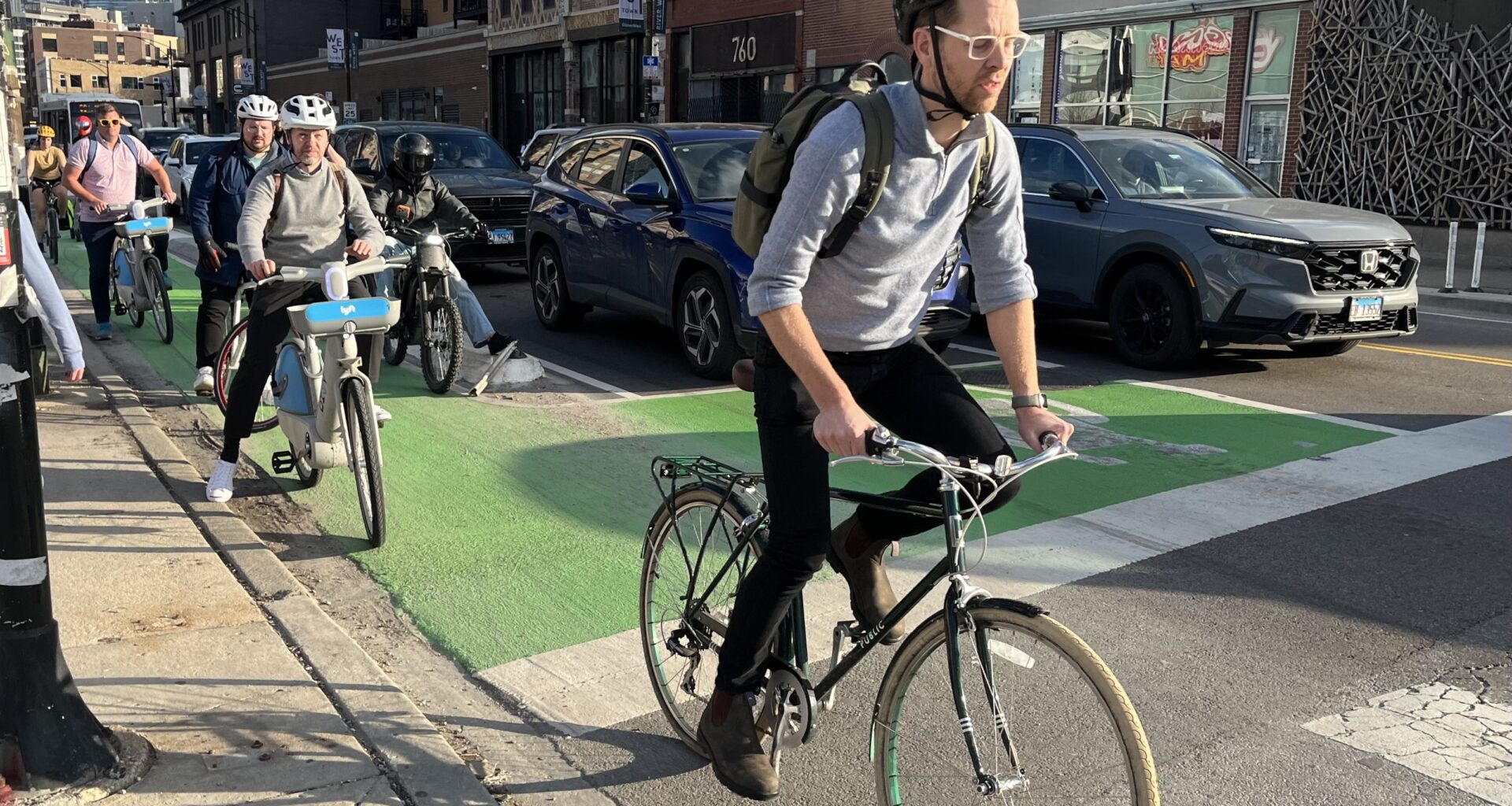
 This post is sponsored by The Bike Lane.
With apologies to The B-52s, turn your watch back about 34 years. That’s when triathlon racer Jon Boub was badly injured on a training ride when his front wheel got caught in a bridge gap on Saint Charles Road in west-suburban DuPage County. That was because a Wayne Township road crew had removed the asphalt filler from between the wooden planks, making it unsafe for cycling.
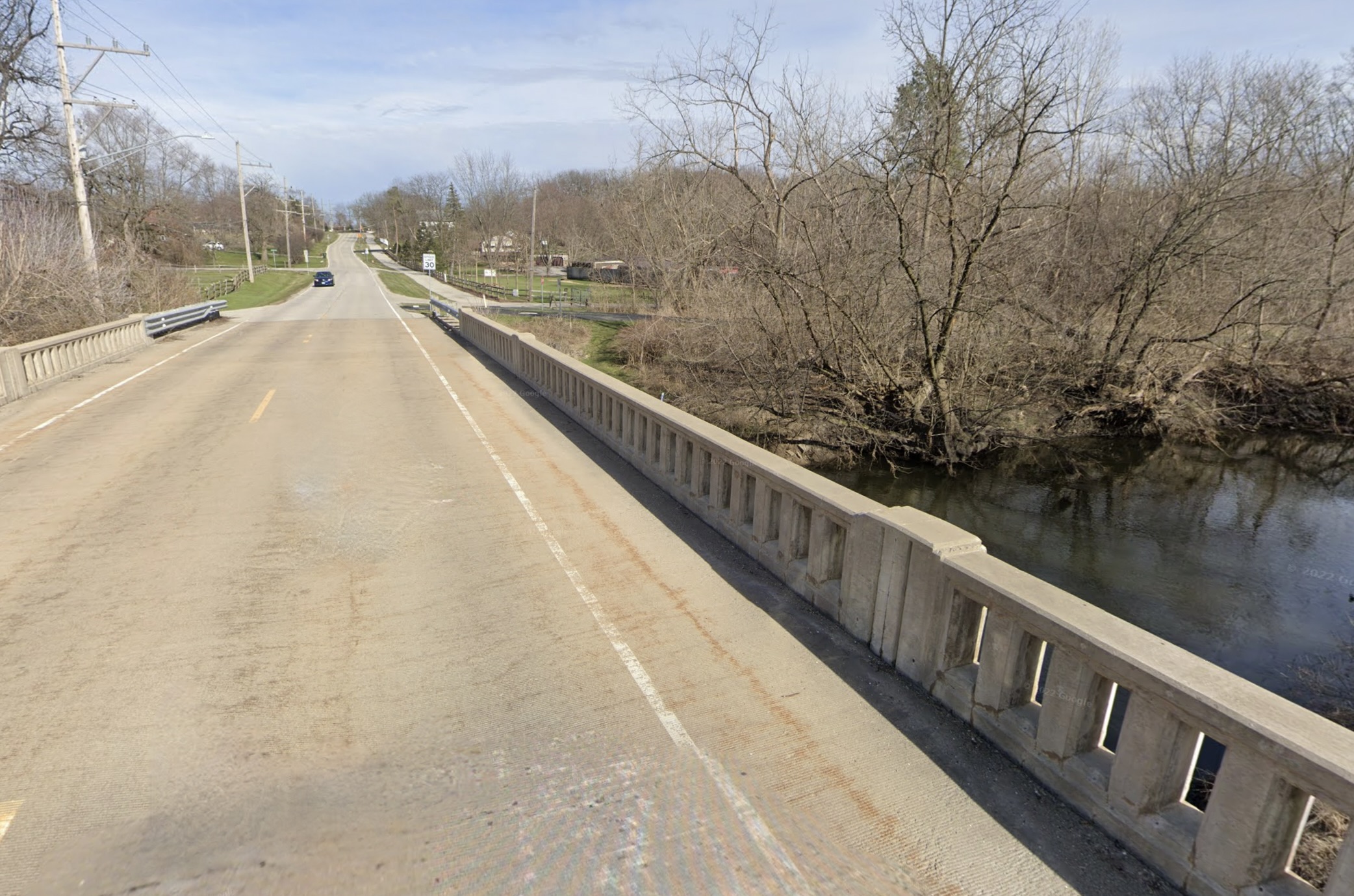 The current Saint Charles Road bridge over the DuDu Page County
Page River, where Boub was thrown over his handlebars due to a bridge gap at the time. Image: Google Maps
But the bridge gaps weren’t a hazard for drivers. So in 1998, the Illinois Supreme Court decided that the township wasn’t responsible for the crash because the cyclist was a “permitted” rather than “intended” user of the road.
That set a harmful precent for decades, absolving municipalities from liability for injuries to bike riders on streets that aren’t officially designated as cycling routes. It also discouraged local governments from protecting people on bicycles by building infrastructure for them.
Then in June 2019, Clark Alave fell from his bike after cycling into a pothole at the northeast corner of Leland and Western avenues, by the Western Brown Line station in Chicago’s Lincoln Square. Frustratingly, in December 2023, the Illinois Supreme Court reaffirmed the Boub V. Wayne decision. It once again ruled that the municipality wasn’t responsible for the rider’s injuries because he wasn’t on an official bike route.
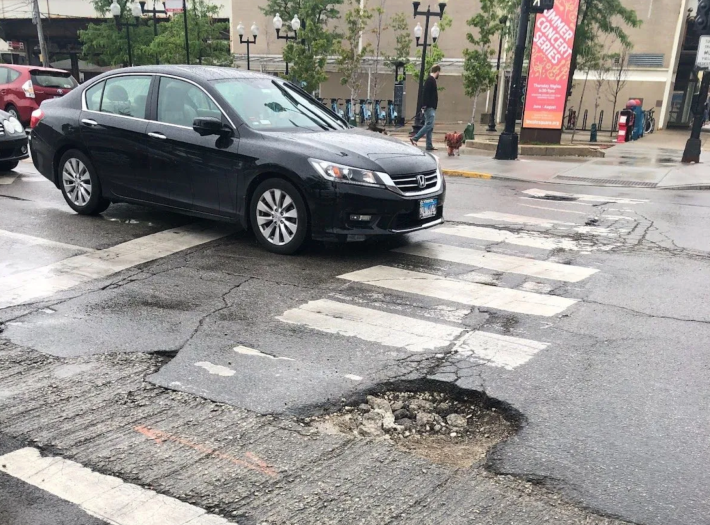 Looking southeast at Leland and Western around the time of Alave’s crash. The pothole is in the center of the image, and a Divvy bike-share station is visible at the top of the image, but that didn’t define Leland as a bike route. Photo provided by Erron Fisher.
Now there’s an opportunity to right those wrongs. Illinois House Bill 2454 seeks to overturn Boub V. Wayne by amending the Local Governmental and Governmental Employees Tort Immunity Act. The bill “provides that a person operating a bicycle is deemed to be an intended user of every roadway and portion of roadway on which bicyclists are permitted to ride.”
Ride Illinois Executive Director Dave Simmons gave Streetsblog his take on why it’s so important to pass that legislation. He said Illinois is the only state with a distinction between roads where bike riders are only “permitted” users and ones where they are “intended” users.
“Somehow, and I’m doing my sarcastic voice, somehow, 49 other states can manage to get by and are not being bankrupted by bicyclists or other vulnerable road users who are suing them left and right,” Simmons said. “We know why this is still in place in Illinois… but it just seems that in this day and age with with the examples from the other 49 states, and the fact that it’s really impacting how some some people can get around… whether that simply might mean that someone’s less interested in going somewhere on a bike, because they know if they get in a serious crash, their recourses or the actions they could take are limited.”
On February 25, Chicago, Bike Grid Now! organizer Nik Hunder broke the news that former 45th Ward alder John Arena had recently been lobbying against HB 2454 on behalf of the City of Chicago. This publication fumed about that finding via the Streetsblog Chicago Social Media Juggernaut.
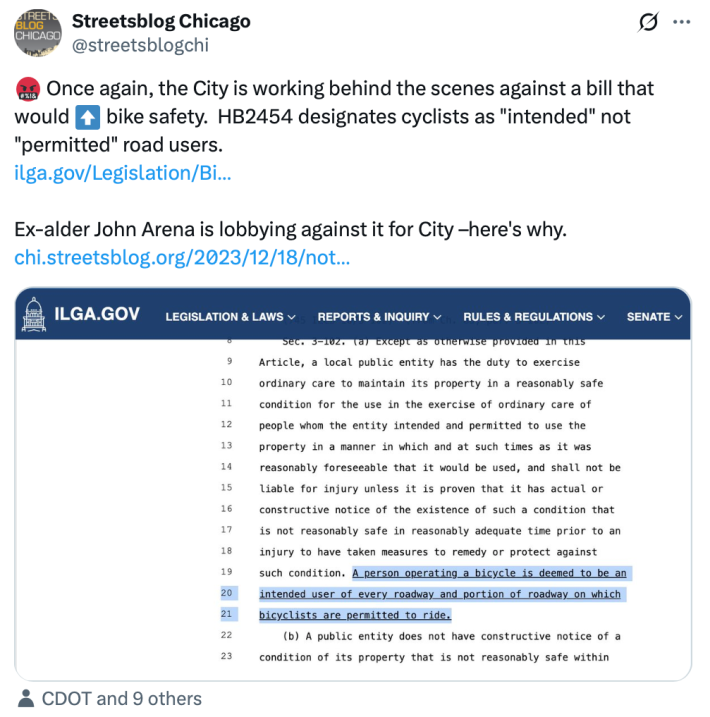 One of our social media posts on this subject.
A spokesperson from the Mayor’s Office soon reached out, and provided a statement noting that Chicago’s investments in Complete Streets infrastructure have recently helped bring about a nine-year low in traffic fatalities. But they argued that HB 2454 would do more harm than good for Chicago bike safety.
“By exposing municipalities to sweeping liability and potential changes to roadway standards, the proposal would result in millions of dollars in new annual costs, burdening taxpayers and requiring the City to divert funding from future bicycle safety infrastructure investments,” the spokesperson said in a statement. “The City is committed to increasing pedestrian and commuter safety and remains open to continued conversations with advocates and the legislation’s sponsors.”
Simmons wasn’t buying that argument. “So the concern from municipalities is that if the legislation passes, there is a potential that there would be unforeseen financial implications, and that’s just because when budgets are built, they know there are not going to be a surprises from bicyclists who get seriously injured or killed,” he responded. “So, it’s mostly a financial argument. I’m not saying that that’s not valid, but there are other considerations here.”
“I agree the City of Chicago’s done a really nice job [with building bike infrastructure],” Simmons added. “There are multiple suburbs have done a really nice job. That doesn’t always mean that infrastructure is going to exist where someone you know wants to go. So until bike infrastructure is truly ubiquitous and leads people everywhere they want to go, that argument doesn’t fully hold up.”
In addition, Hunder and fellow Bike Grid organizer Charna Albert recently published an op-ed in the Chicago Tribune addressing the situation. They said that the City’s estimate of millions of dollars in new annual costs doesn’t “track with reality” because between January and September of 2025, the City of Chicago paid nearly $666,000 in claims and settlements for bodily harm caused by poor road mantenance. They argued that, since motor vehicles account for 60 percent of all Chicago trips, and bikes make up about 2 percent, if the vehicle claims were scaled to bicycles during that period, they would make up only about $22,000 in costs.
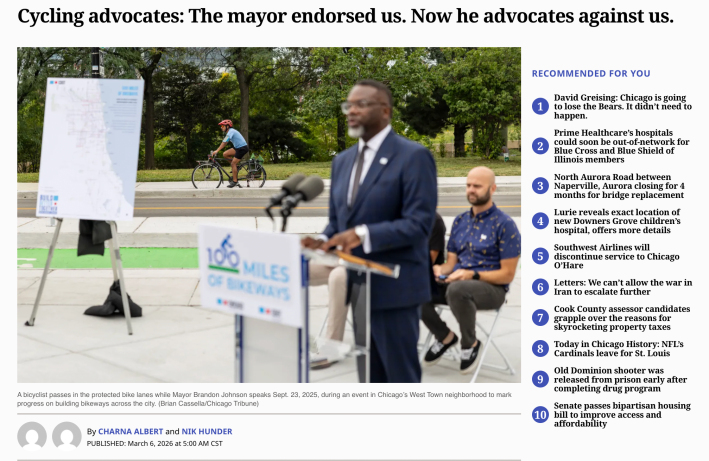 Screenshot from Hunder and Alpert’s op-ed.
“By asserting that this figure is truly in the millions, the City admits the conditions of its infrastructure are poor and considered a liability or has grossly overstated the true potential legal costs,” wrote Hunder and Albert. “Neither of these explanations is an acceptable reason to oppose liability.”
“Both of these figures, however, pale in comparison to the total economic damages caused by vehicle crashes. Using Chicago Police Department public reporting and the Centers for Disease Control and Prevention’s WISQARS model, [SBC cofounder Steven Vance’s real estate data website] Chicago Cityscape estimated $1.78 billion in damages caused by auto-on-auto accidents and $177 million in auto-on-bicycle injuries.”
The Bike Grid organizers argued that if the City of Chicago had a commitment to investing in a robust, low-stress bike network, the new bill wouldn’t be needed. “But when the city fails to build a connected network of safe streets and maintains no liability, someone will get hurt. And they already have.” Here they linked to Streetsblog’s report of the June 2022 bike crash that took the life of Lily Shambrook, 3, caused by a ComEd trucker illegally parked in a non-protected, paint-only bike lane on Leland Avenue in Uptown.
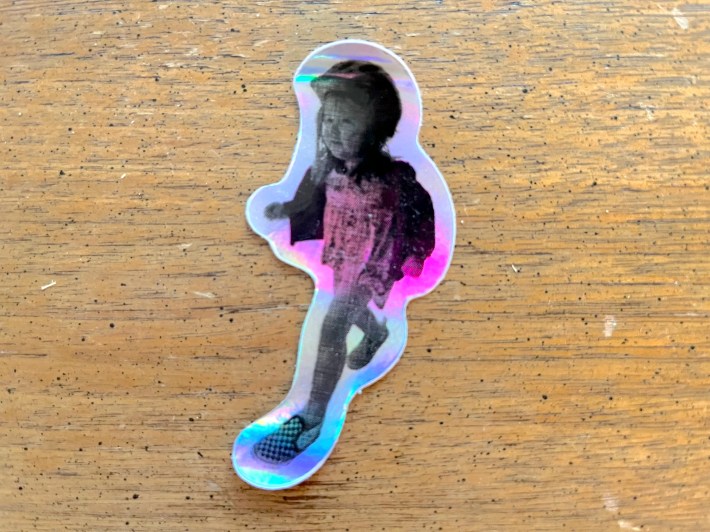 A sticker remembering Lily Shambrook, who loved to ride bikes, distributed at a Bike Lane Uprising event in September 2023.
The bottom line is that state legislators should ignore the City of Chicago’s lobbying and pass HB 2454. The additional expenses of creating a grid of safe biking streets are well worth it, compared to the cost of lives needlessly and tragically lost.

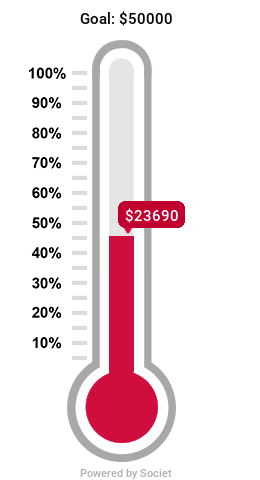
On November 12, SBC launched our 2026 fund drive to raise $50K through ad sales and donations. That will complete next year’s budget, at a time when it’s tough to find grant money. Big thanks to all the readers who have chipped in so far to help keep this site rolling all next year! Currently, we’re at $23,690 with $26,310 to go, ideally by the end of March.
If you value our livable streets reporting and advocacy, please consider making a tax-exempt gift here. If you can afford a contribution of $100 or more, think of that as a subscription. That will help keep the site paywall-free for people on tighter budgets, as well as decision-makers. Thanks for your support!
– John Greenfield, editor