
The UK economy stalled unexpectedly at the beginning of the year, reinforcing fears that the US-Israeli war with Iran will fuel inflation, hit economic output and even cause a recession.
GDP, the key measure of output, showed no growth in January, down from growth of 0.1 per cent in the previous month, data from the Office for National Statistics (ONS) showed on Friday. Analysts had expected output to increase by 0.2 per cent.
In the three months to January the economy expanded by 0.2 per cent, up marginally from growth of 0.1 per cent in the previous quarter. Economists had forecast growth of 0.3 per cent. Liz McKeown, director of economic statistics at the ONS, said: “The overall picture remains subdued.”
The flat economic activity will add to fears that growth is on a downward trajectory this year. Martin Beck, chief economist at WPI Strategy, said the figures showed that the “UK economy was already losing steam before the latest war-related shock”.
In what it called “a worst-case scenario where oil rises to $140 per barrel”, Oxford Economics forecast that UK inflation could go above 5 per cent in the last quarter of 2026.
Tomasz Wieladek, a strategist at T Rowe Price, said: “A UK recession is not a tail risk. It is the central case. This puts the Bank of England in an acutely uncomfortable position. The monetary policy committee must now confront the hardest trade-off in monetary policy: inflation is too high, but the economy is about to contract.”
On Thursday the Bank of England is expected to keep interest rates at 3.75 per cent because of concerns about how the rise in oil prices could increase the cost of living. Before the conflict started, investors thought there would be at least two rate cuts this year and put a 90 per cent chance of the first reduction taking place next week.
The chancellor said she knew the government had “more to do” in order to re-energise the economy.
Rachel Reeves added: “In an uncertain world, we are building a stronger and more secure economy by cutting the cost of living, cutting national debt and creating the conditions for growth to make all parts of the country better off.”
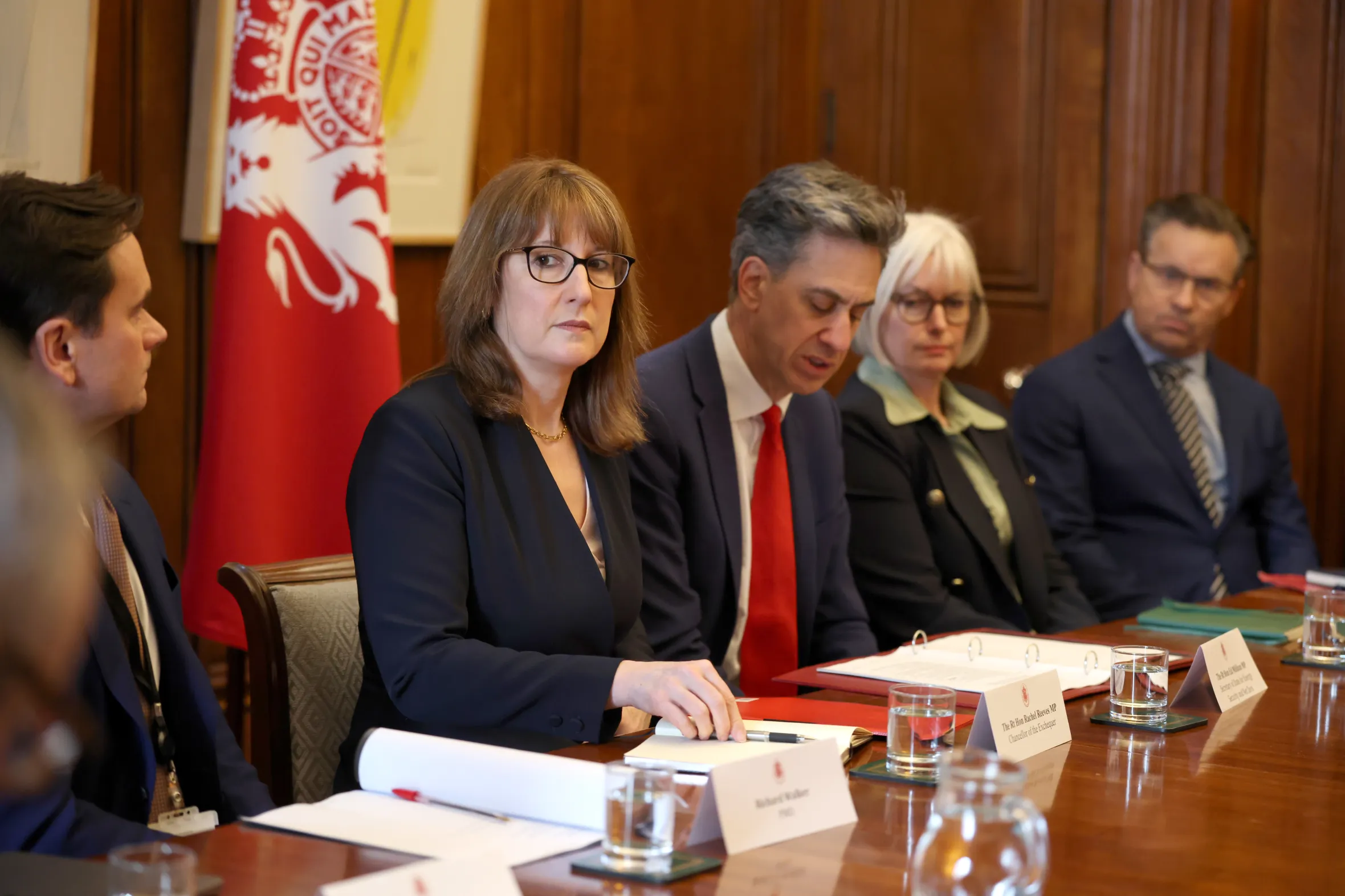 Rachel Reeves and Ed Miliband, the energy secretary, during a round table with petrol retailers and energy suppliers at No 11 on FridayDan Kitwood/PA
It came as crude prices rose and fell sharply throughout the week as investors tried to predict how long the Strait of Hormuz, the shipping artery through which a fifth of global oil supplies passes, would be effectively closed because of the war in the Middle East.
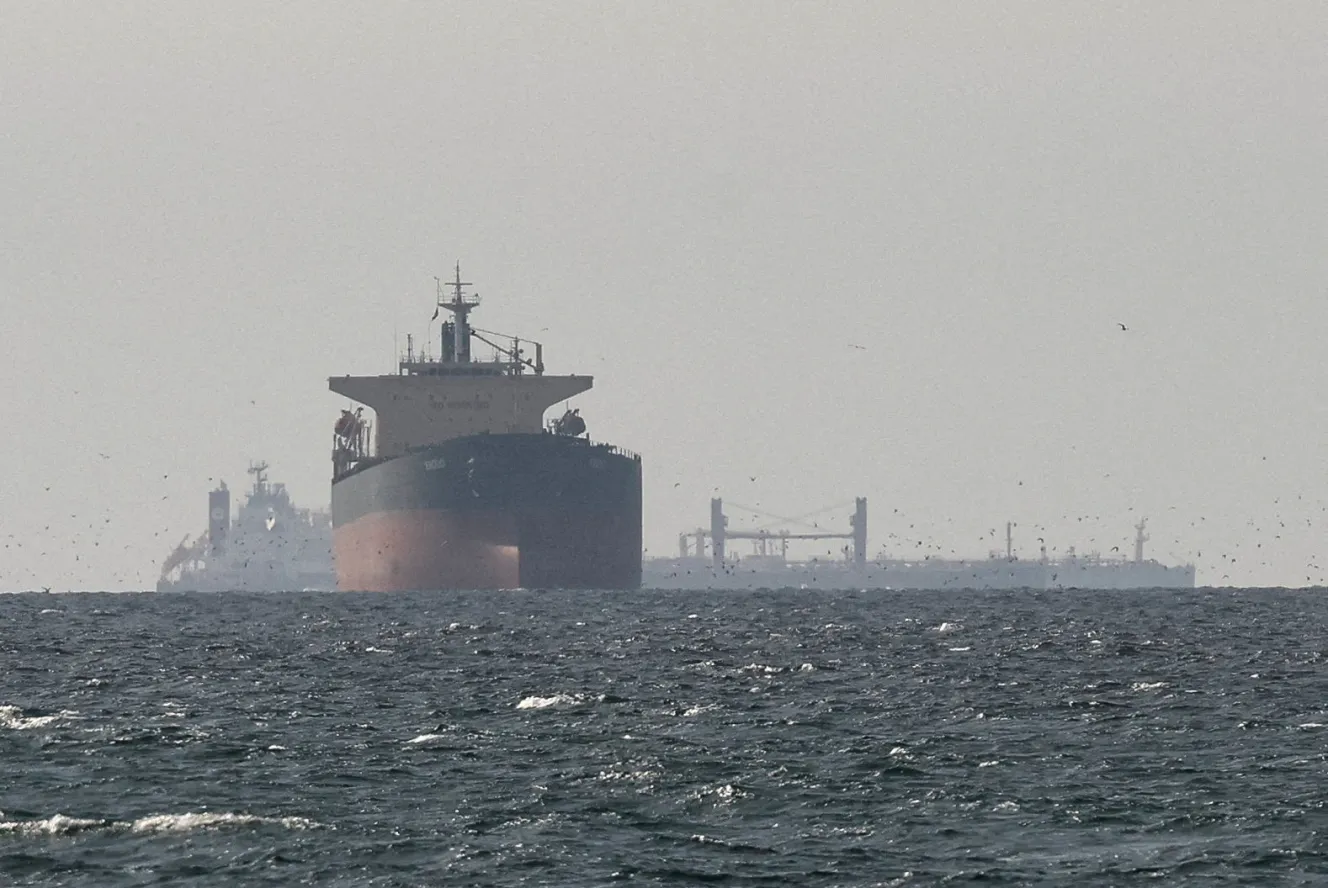 Tankers sail near the Strait of Hormuz on WednesdayReuters
Business newsletter
The business editor’s exclusive analysis of all the latest financial and economic news.
Sign up with one click
The price of a barrel of Brent crude, the international benchmark, leapt to nearly $120 at the start of the week before stabilising at about $103 yesterday. Traders were reassured after European countries started talks with Iran to guarantee safe passage for their ships through the strait, according to the Financial Times. An Indian tanker also passed through the strait unharmed after ships were attacked during the week. Yet analysts said the dip should be viewed as short-lived.
UK government borrowing costs whipsawed over the week. The yield on ten-year gilts fell to 4.53 per cent before reaching nearly 4.8 per cent yesterday. Yields and prices move in opposite directions.