
BATTERSEA, Ont. – A hunting and fishing outfitter in Battersea, Ont. is worried Canada’s new high‑speed rail corridor could shut down his business. Gord Boulton also fears it could cut him off from much of the land he has lived on for 30 years.
The owner of Rockridge Outfitters learned in January that a proposed route from Toronto to Quebec City could run through his 650‑acre property or another 350 acres he owns nearby. “My heart just sunk,” he said. “I just couldn’t believe it and couldn’t believe that all of my neighbours as well would be affected by this.”
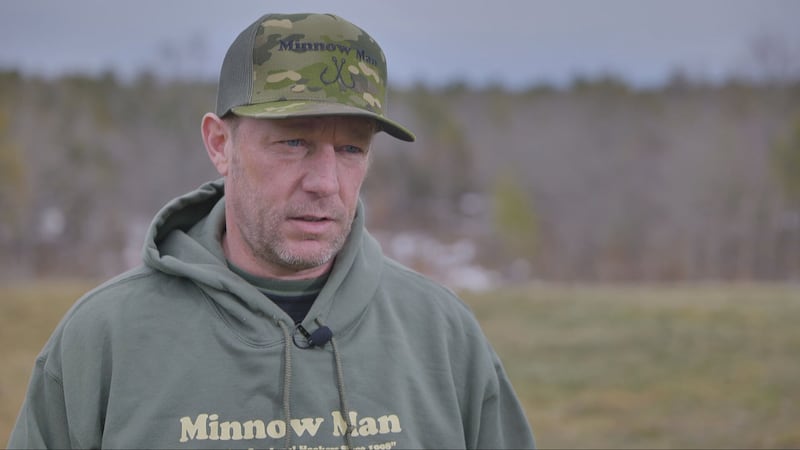 High speed rail Gord Boulton runs Rockridge Outfitters in Battersea, Ont. (CTV News)
Boulton, a retired Kingston police officer, bought the land when he was 18. Clients now come to the property to hunt deer, turkeys and catch fish. He says they often return because the setting is remote and quiet with several camps.
“It’s very special,” says Boulton. “There’s very few places like this.”
He worries a fenced, high‑speed rail line — with trains potentially passing twice an hour at 300 km/h — would block access to a private lake, disrupt wildlife, and erase the atmosphere his business depends on.
“A train coming through here would just completely destroy my business,” he said. “You’d hear it everywhere.”
He’s also concerned for his family.
“I don’t know what we’d do. Whether we would move somewhere else. We hope we don’t get to that point.”
Growing local opposition
Boulton has joined a fast‑growing opposition movement and started a Facebook group called Save South Frontenac, which has thousands of followers. He says volunteers are going door to door and placing flyers in the local newspaper to reach residents who don’t use the internet.
Some are worried about their property values and that their land will be expropriated. The rail line would be fenced on both sides to keep wildlife out, but those fences would also block rural roads and turn many into dead ends.
Some people fear longer emergency response times and daily travel delays. Boulton worries his 30‑minute drive to Kingston, Ont. could instead take 75 minutes if he has to detour to an overpass or underpass.
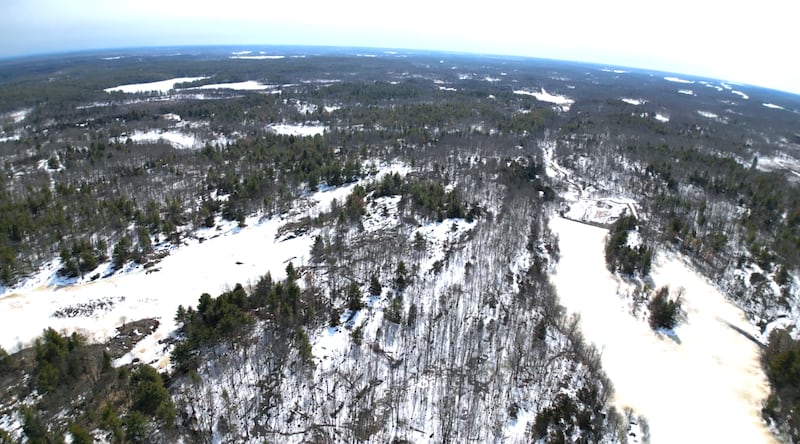 High-speed rail Gord Boulton owns a 650-acre property north of Kingston, Ont. He worries the high-speed rail line could cut across his land separating the two sides from each other.
Boulton also questions the consultation process. He says project representatives have not provided environmental or wildlife‑migration studies. “How can someone like myself make an informed decision whether they think it’s a good idea or not, if they can’t provide the information for you to make that informed decision?”
Alto, the Crown corporation leading the project, says they are still months away from selecting a specific route for the Ottawa–Montreal corridor which will be the first section to be built. Routes toward Toronto and Quebec will take longer to finalize.
CEO Martin Imbleau says consultations are ongoing, with “tens of thousands” of comments already collected. He says there have been questions about the environmental impacts, ticket costs, ridership forecasts, and landowner concerns about possible routes.
“It’s not done yet,” he said, adding that online consultation will be extended.
Public reaction split
Imbleau says community reactions when building a road or rail line follow a predictable pattern:
“Where there’s a station, people want the station elsewhere. Where there is no station, communities want a station,” he says.
“And when there’s an alignment picked, people want the alignment elsewhere,” he said. “And it’s very normal.”
He says comments at the public consultation meetings have been mixed but believes the majority has been positive.
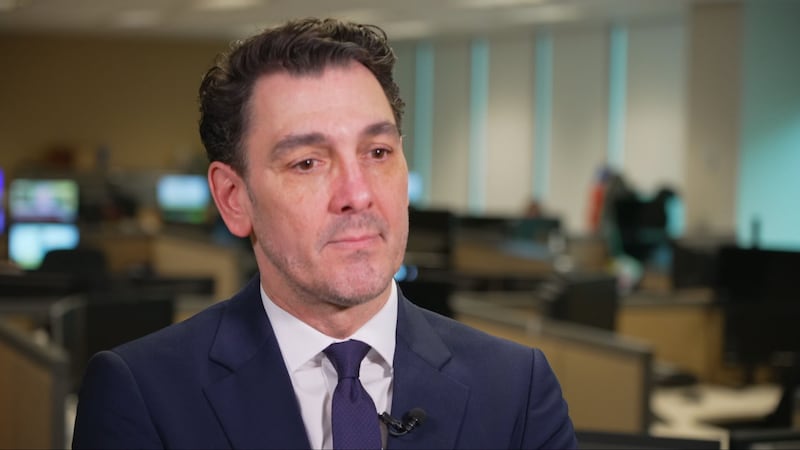 High-speed rail Martin Imbleau is the CEO of Alto, the federal Crown corporation, building the high-speed rail project. (CTV News)
Alto is studying a 10‑kilometre‑wide corridor. It includes a straighter northern alignment between Peterborough and Ottawa and a southern option closer to Kingston.
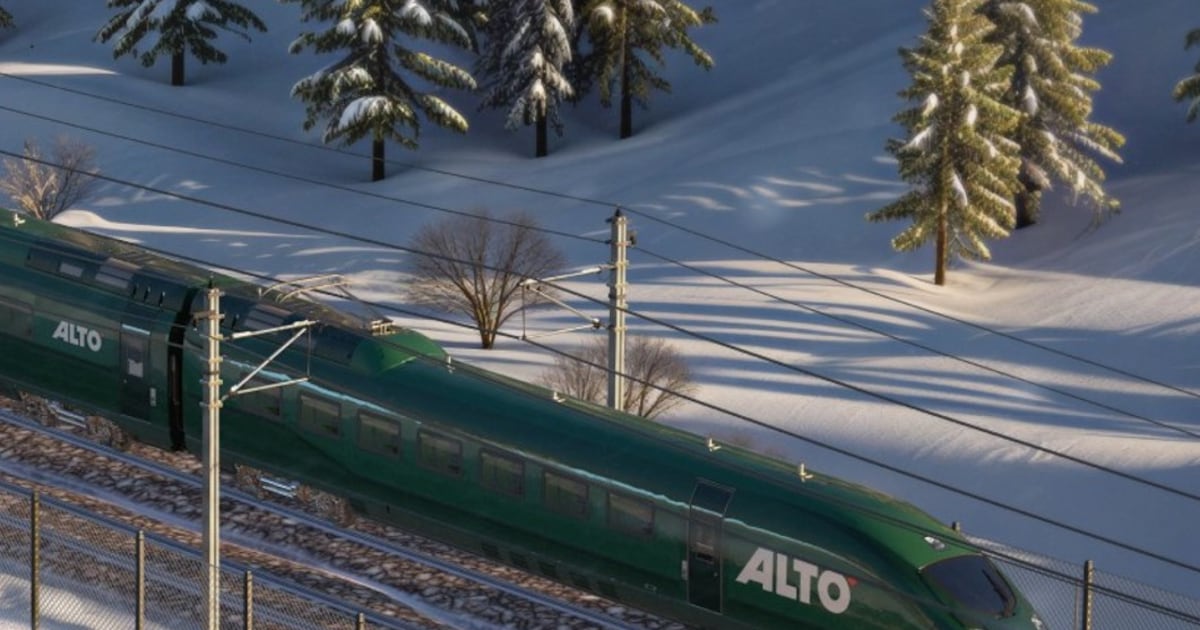
The hope is to whisk passengers from Toronto to Montreal in three hours, which is just over half as long as the journey by car.
Imbleau says the process will move to direct talks with landowners once the initial Montreal-Ottawa route is chosen in the fall. He would not specify which month he expects that to be.
“It’s fair market value and full compensation for everything,” he said of expropriations where necessary adding discussions will be face‑to‑face and not by email.
Because of the required fencing Imbleau acknowledges that some roads will become dead ends. He says Alto is working with farmers and municipalities to determine how far apart crossings should be placed. “We need to have a reasonable distance,” he said. “Probably underpasses in farmlands and overpasses in other places.”
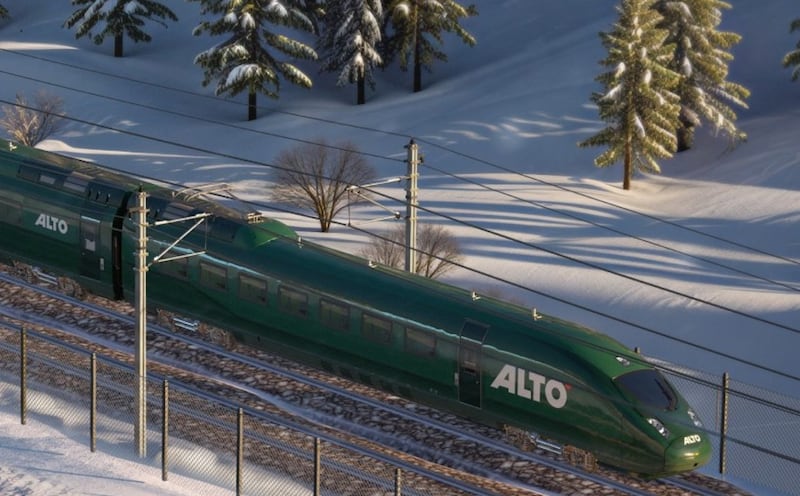 High-speed train The Alto high-speed train would travel at 300km/h and go from Toronto to Montreal in three hours – just over half the time it takes to drive. (Alto) Construction timeline
Construction on the Montreal–Ottawa segment could begin in 2029 or 2030. Imbleau says building the first leg could take six or seven years. The cost of the project has been pegged at between $60 and $90 billion dollars and is not expected to be entirely complete until 2040.
Despite the challenges, he says high‑speed rail is essential for Canada’s future. “Italy has done it. Spain has done it. France. Everyone has done it. So it’s a national priority,” he said. “Mobility creates wealth and innovation.”
“We’re building this for Canada. Rick Mercer used to say that we’re the world champions in high speed rail studies. We’ve been studying for 40 years now. It’s time to build it.”
Gord Boulton just hopes it won’t be near his rural community.
“If you’re going to put a train somewhere, put it where the train system already is and don’t put it through the middle of Mother Nature and destroy it. We’ve destroyed Mother Nature enough.”