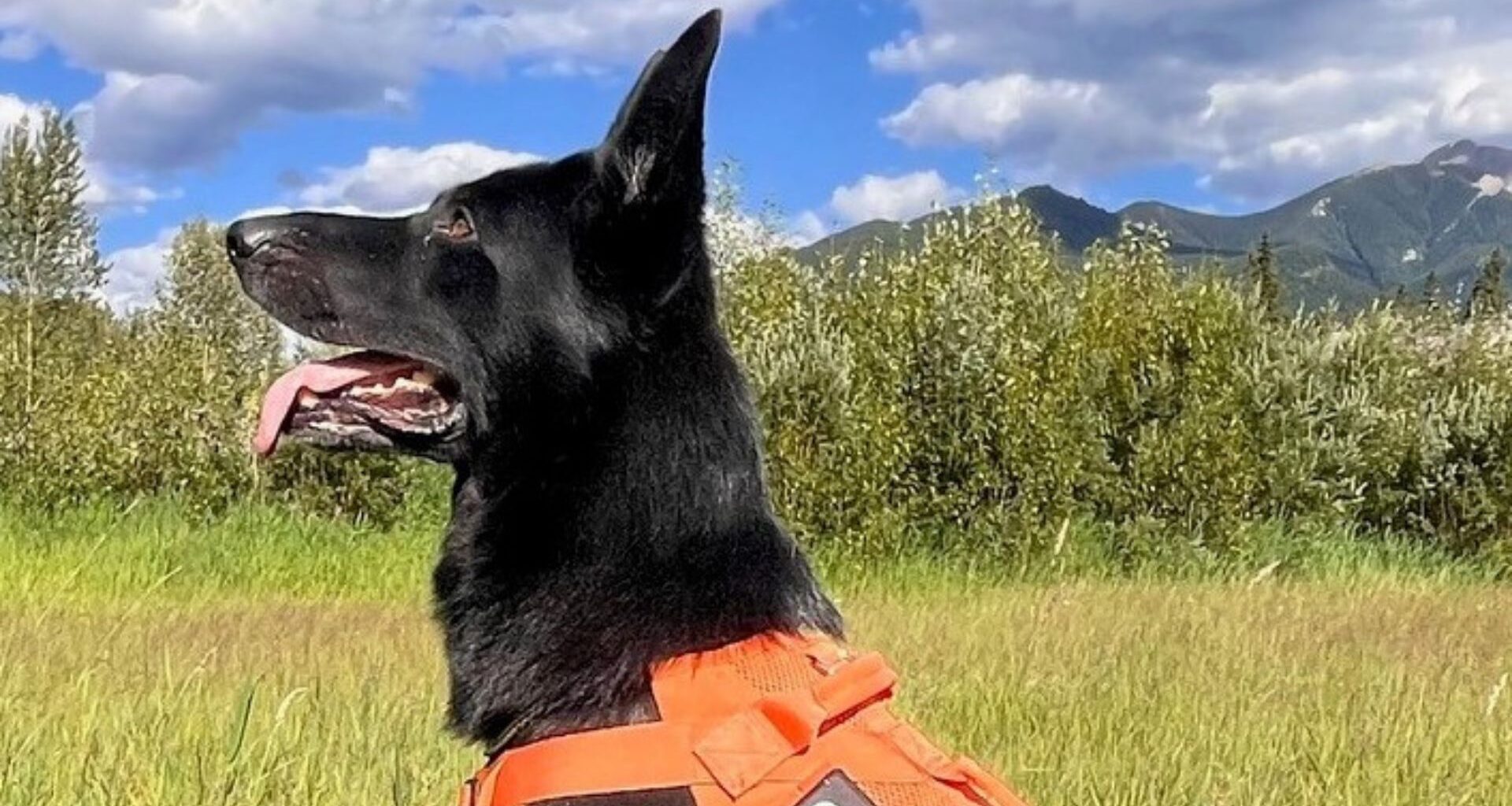
B.C. conservation officers said goodbye to Kilo, the first search and detection dog in the province trained to detect invasive mussels, passing just one year after his retirement.
Referred to as one of BC Conservation Officer Service’s “most well-known dogs,” officers mourned the loss of the four-legged search and detection agent this week.
Kilo served for eight years on the Invasive Mussel Defence Program working to prevent invasive mussels from entering B.C. waters.
During his career, Kilo conducted more than 200 high-risk vessel inspections and detected more than two dozen positive mussel contaminations.
Beyond invasive mussels, BCCOS says “Kilo’s diverse skillset was also critical in other types of BCCOS work, including searching for and locating evidence, such as shell casings, firearms and wildlife for investigations.”
The pooch was also fan favourite at public events like trade shows and presentations with partner agencies and municipalities.
Kilo retired from his role in February 2025, but remained with the COS family. Officers say he was “spoiled rotten” on his retirement.
In a final “RIP K9 Kilo” farewell post, BCCOS writes: “Thank you for your service, Kilo. We’ll mark you 10-35,” the code that signals off-duty.
READ ALSO: ‘Amazing partner’: B.C.’s first invasive mussels detection dog retiring
Established in 2015 and delivered through the Ministry of Water, Land and Resource Stewardship, the B.C. Invasive Mussel Defence Program (IMDP) works to prevent the introduction of zebra, quagga and golden mussels into B.C. by working with neighbouring jurisdictions to inspect boats, monitor lakes and educate the public.
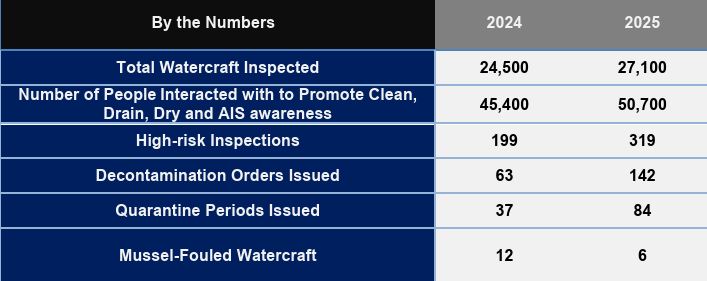
In 2025, more than 27,100 watercrafts were inspected for invasive species in B.C., resulting in 142 decontamination orders, 84 quarantine periods and six mussel-fouled watercraft.
The chart below compares the changes in numbers between the 2024 and 2025 reports.