
Image by Lorie Shaull, CC BY-SA 4.0.
WNBA negotiations are halting at just one point.

|
The WNBA and its players’ union say progress is being made toward a new collective bargaining agreement, though one major financial issue continues to divide the two sides. League officials and player representatives have spent days in marathon negotiations, yet the biggest sticking point remains how league revenue should be shared between players and owners.
Talks intensified over the past week, including a lengthy bargaining session that began Sunday afternoon and stretched until about 3 a.m. Monday morning. Negotiators from both sides have now logged more than 72 hours of in-person discussions since formal sessions began earlier in the week. Charles Barkley also gave a piece of his mind to WNBA players.
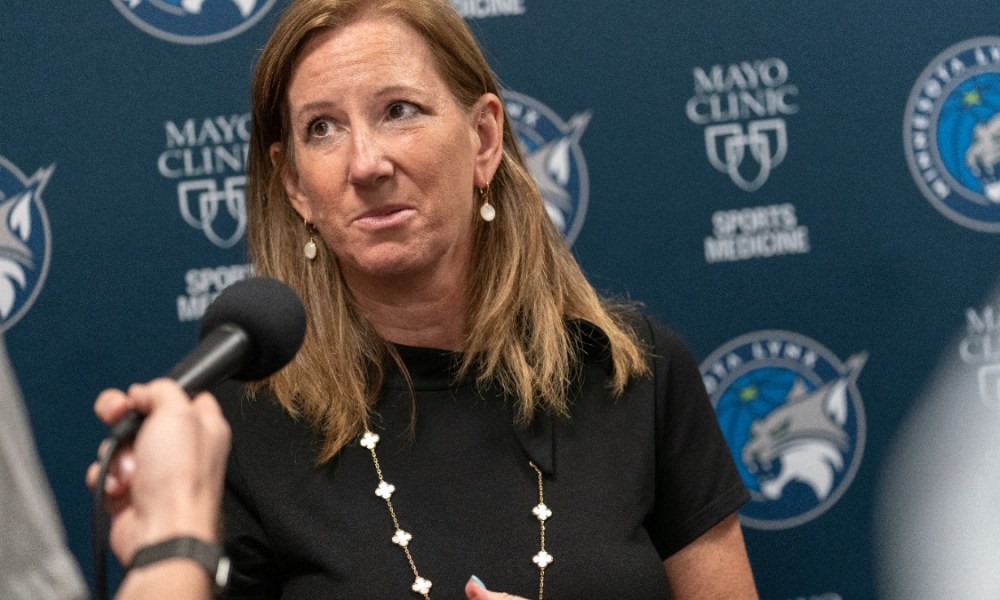
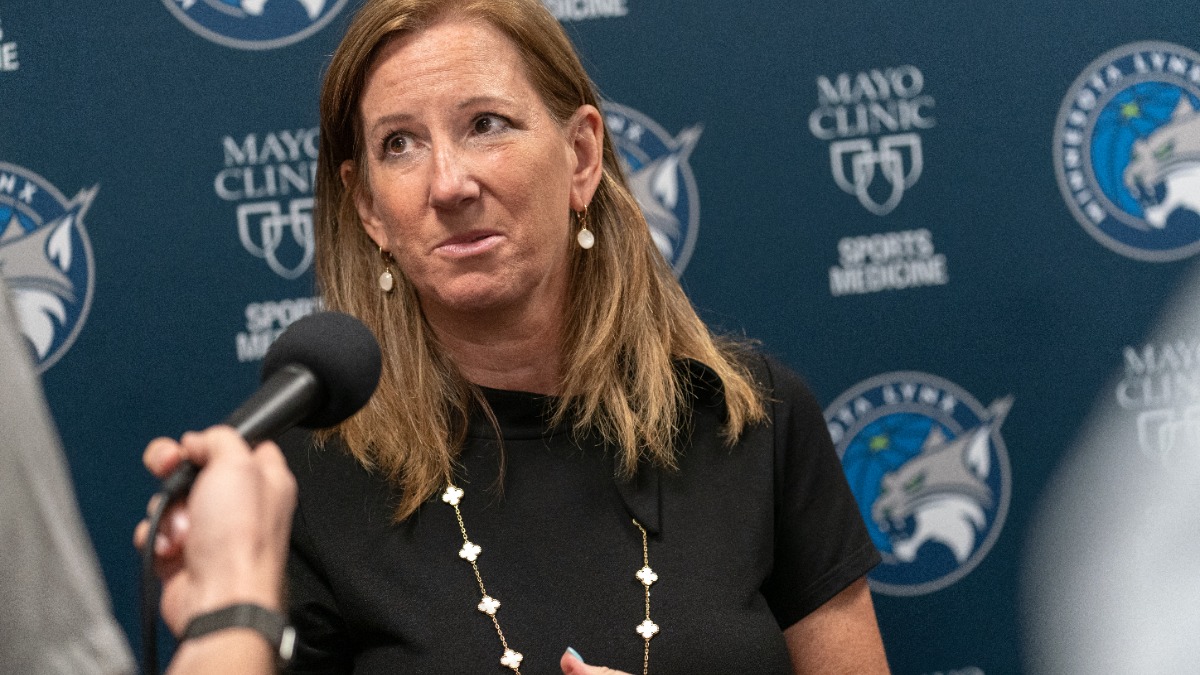
According to ESPN, WNBA commissioner Cathy Engelbert said the negotiations are complicated but moving in the right direction as the league works toward what could become a historic deal for women’s professional basketball. “We’re working as hard as we can to get it done as quickly as possible,” Engelbert said.
It Is All About The Money In WNBA
“It’s complex. There’s a lot of system elements. There’s a lot of structure elements. This is a big league and we want to do everything we can for the players. So we’re going to keep making progress.” Both sides appear determined to reach an agreement before the start of the upcoming season. Negotiators are scheduled to meet again for a seventh consecutive day of talks, signaling a sense of urgency as the league calendar continues to move forward.
Union leaders and key players have been heavily involved in the negotiations. Breanna Stewart, Napheesa Collier, and Alysha Clark were among the first union executive council members to leave Sunday night’s session shortly after 2 a.m., while union president Nneka Ogwumike and other leadership figures departed roughly an hour later following a 14-hour bargaining day.
League officials have acknowledged the unusual length of the negotiations but praised the commitment from both sides. Jen Rizzotti, president of the Connecticut Sun, described the marathon discussions as a sign of how seriously the league and players are treating the moment.
“The fact that they just don’t want to stop, both sides, it’s not just the league side, it’s even the union,” Rizzotti said. “They want to get it done. It’s admirable to know that they’re paying attention to the fact that this is crucial and time is of the essence.”
The central disagreement revolves around how revenue should be divided between players and the league. Player representatives have pushed for a share based on gross revenue, which counts total earnings before expenses, while league officials have proposed a model based on net revenue, meaning profits after operational costs are deducted.
That distinction may sound technical, yet it carries massive financial implications for players’ salaries and long-term compensation. When negotiations began more than a year ago, the union initially requested 40 percent of the league’s gross revenue. The players’ proposal reportedly dropped to 26 percent before the most recent in-person bargaining sessions began.
League officials, on the other hand, have proposed a model where players would receive more than 70% of net revenue. The difference between those two accounting approaches remains the primary obstacle preventing an agreement.
Ogwumike acknowledged that revenue sharing has dominated discussions, though she noted that both sides recognize the issue must eventually be resolved. “We’ve talked a lot about revenue share,” Ogwumike said. “I don’t even like calling it the elephant in the room. It’s there, and we’re going to talk about it.”