
Energy Minister Chris Bowen has been accused of blaming Australians instead of accepting responsibility for fuel shortages, after he branded panic buying as “un-Australian”.
Mr Bowen did not rule out fuel rationing on Tuesday while criticising Australians for stockpiling petrol.
“I completely understand the concerns of Australians who might be thinking to buy a bit of extra fuel,” Mr Bowen told journalists in Canberra.
“There’s been also, separately, people going to Bunnings Warehouse and buying out all the Bunnings jerrycans.
“That is unhelpful. It is un-Australian if they’re trying to maximise profits on Facebook Marketplace.”
Asked how long it might be before the government would need to consider rationing fuel, Mr Bowen did not rule out the possibility.
“We’re in discussions with the states, of course, about forward planning,” Mr Bowen said.
“If Australians respond in the spirit of all coming together and not panic buying, then that maximises our chances of getting through this situation.”
The Albanese government initially denied that there was any cause for concern about fuel supply, before later admitting there was a crisis and urging people not to panic buy.
Opposition Leader Angus Taylor, in response, has accused Mr Bowen of blaming Australians rather than addressing problems in the supply chain.
“Bowen’s response to (the fuel crisis) was, well, this is all Australians’ fault. Blame them,” Mr Taylor told Sky News on Tuesday.
“I mean seriously, he needs to be across where the stocks are and what the holdups are, and in particular, where the shortages are.”
Mr Taylor said the government had been slow to recognise the issue, noting that Mr Bowen initially downplayed the problem before later declaring a national crisis.
“As of Tuesday last week, Chris Bowen told us that it was all fine. All tickety-boo, no problem at all. By Thursday, he was declaring it a national crisis,” he said.
“You’ve got to know where the stocks are, you got to know where the companies are at and you’ve got to work with them to get that product to the customers.”
Mr Taylor said fuel produced domestically should be redirected to Australian consumers instead of being exported.
“We’ve got a refinery, which I helped to underwrite and save, it would have left otherwise, that is exporting a large portion of its fuel,” he said.
“That should be diverted back to Australia … The reason why they’re exporting is because of emissions standards imposed by this (Energy) Minister.”
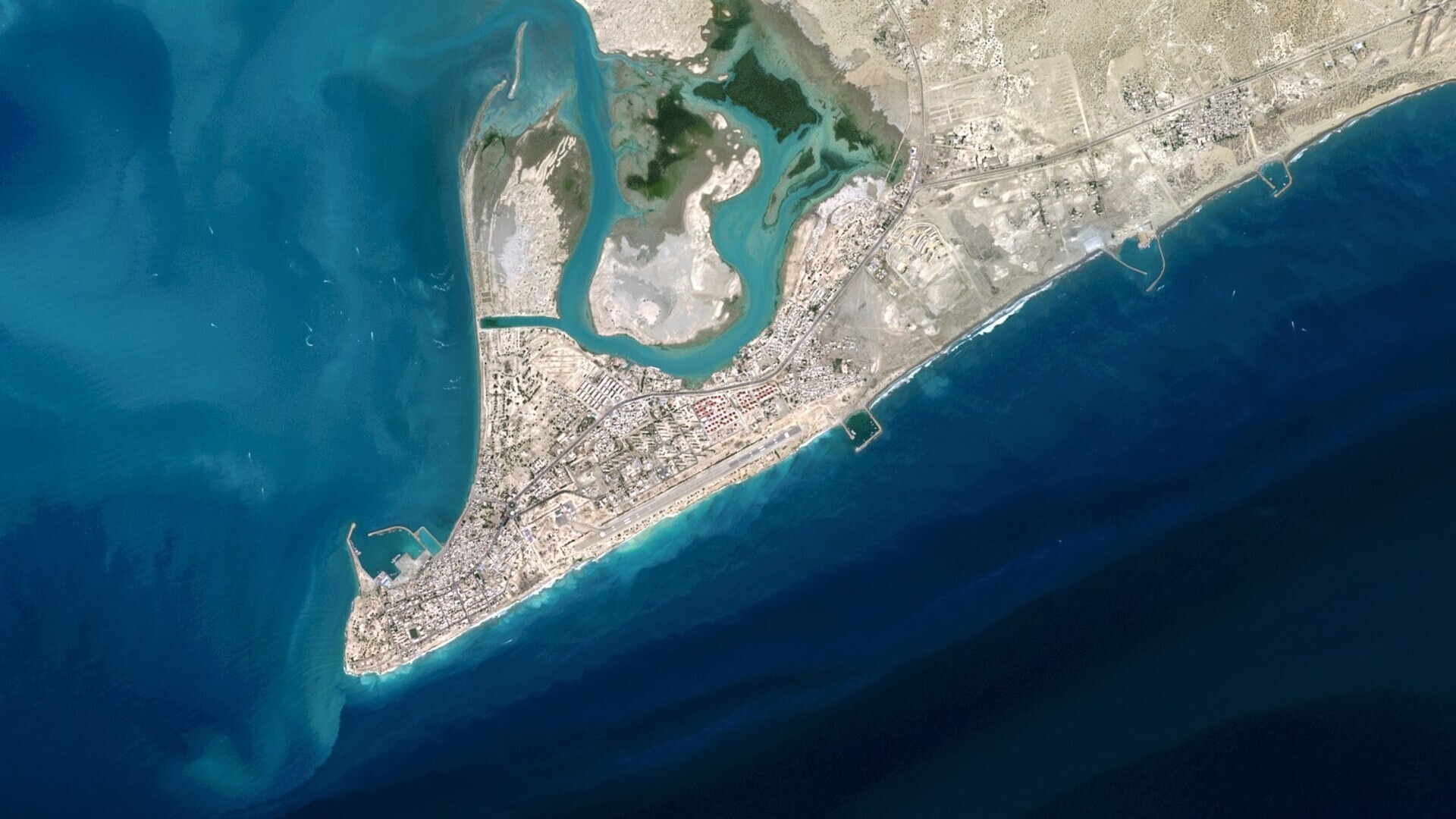
The dispute comes as tensions in the Middle East threaten oil transport routes, with Iran attacking vessels in the Strait of Hormuz, which transports 20 per cent of global oil.
The crisis has exposed Australia’s heavy reliance on imported fuel, with about 90 per cent of transport fuel sourced from overseas.
In 2000, Australia had eight refineries, but six have since closed – four under the Coalition and two under Labor.
According to the latest data, the country holds around 37 days of petrol and about 30 days of diesel, well below the 90-day IEA oil stockholding requirement.