
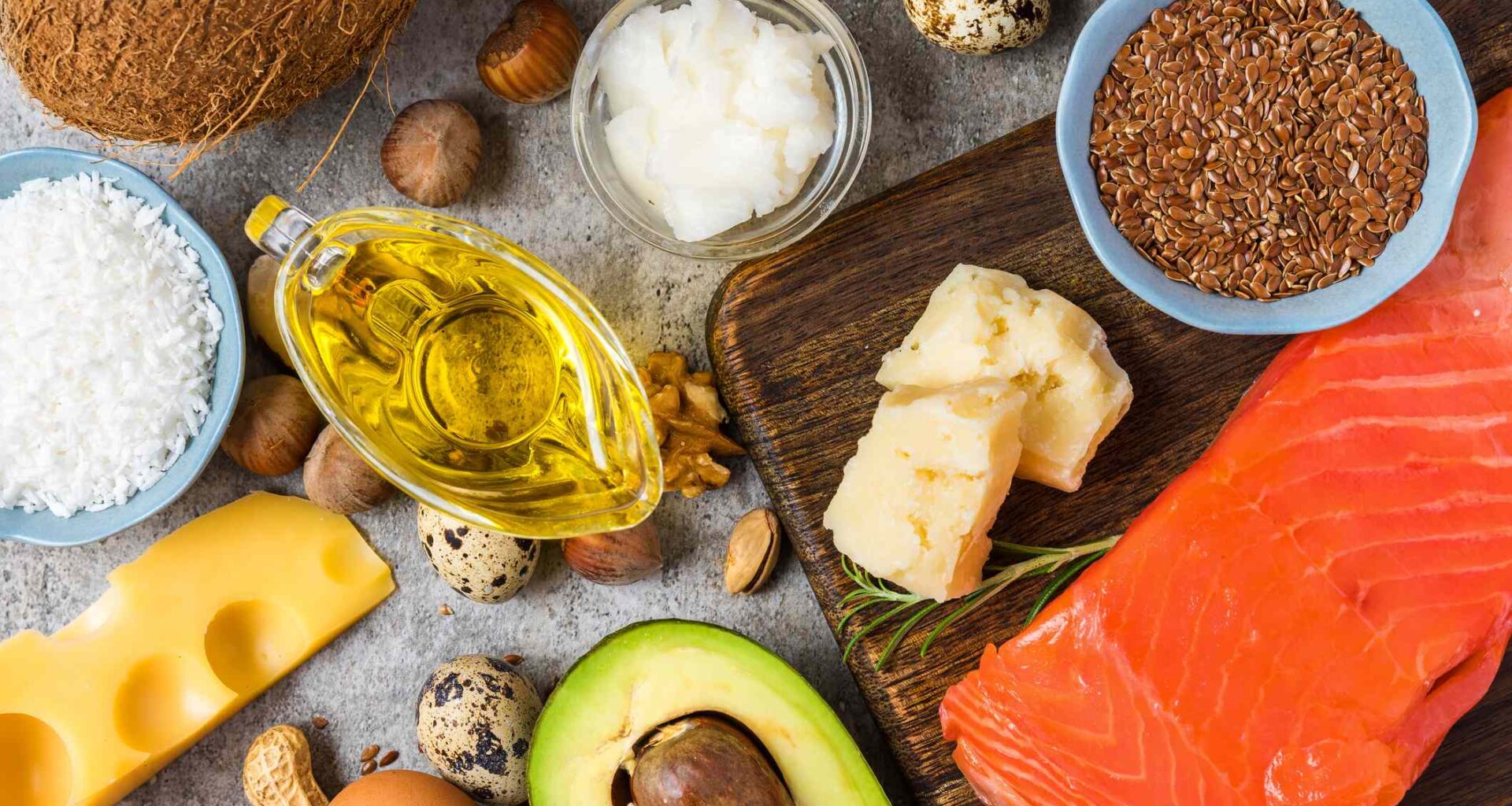
Vitamin D is needed to maintain strong bones, a good mood, and a healthy immune system. Taking the vitamin with certain foods may help your body absorb the nutrients better. These include fatty foods like fatty fish, avocado, and olive oil.
alvarez / Getty Images
Vitamin D is a fat-soluble vitamin. This means the vitamin is best absorbed in the gut when taken with fatty foods. Fatty fish, like salmon, tuna, and mackerel, contain heart-healthy fats that can help with vitamin D absorption. Many of these fish are also a source of vitamin D.
A 2015 study found that vitamin D3 absorption was 32% higher in people who took the supplement with a fatty meal than in those who took it with a fat-free meal. The researchers noted that differences in the type of fatty acid did not affect vitamin D levels.
White Bear Studio / Getty Images
Studies have shown taking vitamin D with olive oil can improve absorption. Olive oil is commonly considered one of the healthiest oil options, as it primarily consists of heart-healthy monounsaturated fats. The oil has many benefits, including improving gut health, providing antioxidants, and lowering the risk of heart and blood vessel disease. Olive oil is also an important part of the Mediterranean diet, a popular heart-healthy, plant-based diet.
Eating meals cooked in olive oil while taking a vitamin D supplement can help your body absorb the vitamin properly. Some vitamin D softgel supplements are also made with olive oil to help improve absorption.
HUIZENG HU / Getty Images
Nuts and seeds are another healthy fat source that can help your body absorb vitamin D better. Nuts and seeds are high in nutrients, vitamins, fiber, healthy fats, and antioxidants. Studies have also shown that they can lower your risk for heart disease, cancer, and overall death. Examples of nuts and seeds include peanuts, almonds, cashews, sunflower seeds, and chia seeds. Butters made of these nuts (like peanut butter or almond butter) may also be a healthy fatty food option.
The amount and type of fat found in each nut or seed varies. Nuts with a high amount of fat include walnuts, almonds, and hazelnuts. However, the type of fatty acid (like saturated versus unsaturated) found in each also differs. Unsaturated fats are considered healthier than saturated fats. Talk with a healthcare provider or dietician to understand which nut or seed may be best for you.
HUIZENG HU / Getty Images
Avocados are another healthy fat source that can help your body absorb vitamin D better. Avocados are rich in vitamins and nutrients, as well as unsaturated fats. This can help support healthy blood cholesterol levels and support vitamin absorption in the body. Many studies have shown that eating avocados regularly supports cardiovascular health, weight management, and aging.
esilzengin / Getty Images
Whole-fat dairy products, like some cow’s milk, cheese, eggs, and yogurt, are great options for fatty foods to help with vitamin D absorption. These products contain all of milk’s naturally occurring fat, and often have more calories than products with skim or low-fat milk, making them a filling choice. Research has shown that whole-fat dairy products may help support heart health.
Dairy products are also commonly fortified with vitamin D to help prevent low vitamin D levels.
Some foods and supplements can cause you to absorb less vitamin D. Foods high in fiber, like beans, certain cereals, and some vegetables and fruits, are known to lower vitamin D absorption in the gut. High fiber foods move through your intestines more quickly, giving your body less time to absorb any nutrients.
A 2017 study found that people who ate at least 20 grams of fiber per day had lower vitamin D levels than those on a lower-fiber diet. If you are on a high fiber diet, be sure to space out your vitamin D and fiber intake.
Other supplements may also affect vitamin D absorption, such as high doses of:
If you are taking high doses of any of these supplements or eating foods high in these nutrients, talk with your healthcare provider.