

A new survey finds that one in three people are unable to pay off their credit card bills each month, and almost half say they’re living paycheque to paycheque.
Many Canadians are continuing to struggle to pay their bills each month, feeling the financial squeeze with housing costs, price of groceries, and now the rising gas prices due to the war in Iran.
According to a new survey conducted by Vividata, one out of three people is unable to pay off their credit card bills each month and almost half say they’re living paycheque to paycheque.
While credit card interest rates in Canada are 20 to 24 per cent, some cards can be as high as 30 per cent. It’s wise to pay off your balance every month to avoid interest charges, but the survey found 36 per cent of Canadian credit card holders carry a balance and rely on credit cards when they’re short of money.
Meanwhile, 49 per cent of those surveyed in Study of the Canadian Consumer Winter 2026 feel they’re living paycheque to paycheque.
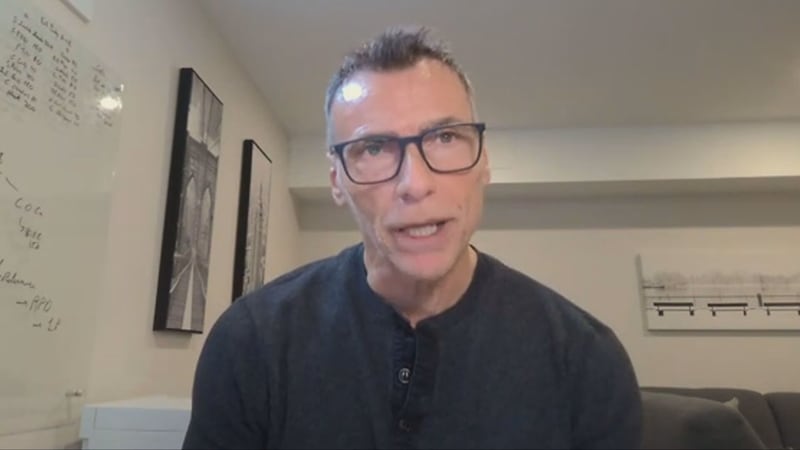 Pat Pellegrini, president and CEO of Vividata. Pat Pellegrini is the president and CEO of Vividata.
“Now that 49 per cent number feels like they are living paycheque to paycheque. That’s an incredibly high number which is surprising and shocking,” said Pat Pellegrini, Vividata’s president and CEO.
Not paying off your credit card balance each month also makes it harder to get ahead.
“They are going to be paying debt instead of saving and using a credit card at the end of the month and that becomes a vicious cycle,” he told CTV News Toronto.
 Credit counselling A person receives credit counselling in this undated file photo.
Credit counselling agencies are also noticing more people feeling the financial squeeze, according to the survey, which the company says is the country’s largest syndicated study of consumer behaviour and media habits, surveying more than 75,000 Canadians annually across more than 100,000 variables.
“People were stretched before this new war in Iran. The price of food and the price of housing it’s all been really expensive, but surprise, now you have to pay an extra 16 to 20 cents a litre on gas and that’s money you have to pay there is no option,” said Mark Kalinowski, of the Credit Counselling Society.
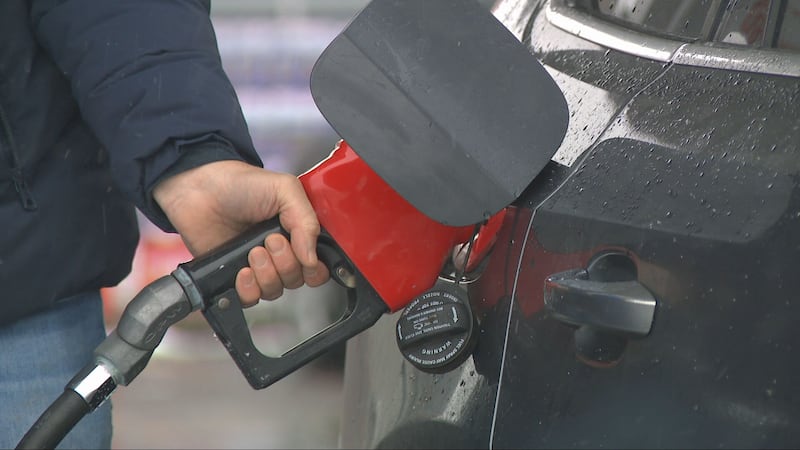 Pumping gas A person pumps gas in this undated file photo.
The survey also found 37 per cent feel overwhelmed by financial burdens, 58 per cent have less disposable income than before, and 71 per cent rising costs are reducing how much they can save.
Meanwhile, 74 per cent said the rising costs made them more careful about how they spend money.
Even if money is tight, it’s recommended you try to make more than the minimum monthly payment on your credit card bill each month.
“When you only make your minimum monthly payment, it can take decades even to pay off a small balance” said Kalinowski.
 Mark Kalinowski, of the Credit Counselling Society. Mark Kalinowski is a financial educator with the Credit Counselling Society.
And it’s not just the credit cards.
Housing debt, both rents and mortgages as well as expensive car loans are also putting added pressure on many Canadians.
You also want to make sure you pay your bills on time and keep your credit score and credit rating in good shape. If it takes a hit, it can make you a higher credit risk, meaning you could be denied loans or have to pay higher interest rates.