

Listen to this article
Estimated 4 minutes
The audio version of this article is generated by AI-based technology. Mispronunciations can occur. We are working with our partners to continually review and improve the results.
Public drug use is set to spike in Ottawa, representatives from the city’s two last supervised drug consumption sites are warning after the province cut their funding and told them to end their services.
On Monday, Ontario confirmed it was ending funding for seven supervised consumption sites as the province moves to an abstinence-based Homelessness and Addiction Recovery Treatment (HART) model.
The Sandy Hill Community Health Centre and Ottawa Inner City Health were told on Friday to submit transition plans to wind down their services before their funding ends in 90 days.
“This is going to have a really big impact in terms of public drug consumption increases,” Rob Boyd, the CEO of Ottawa Inner City Health, told CBC.
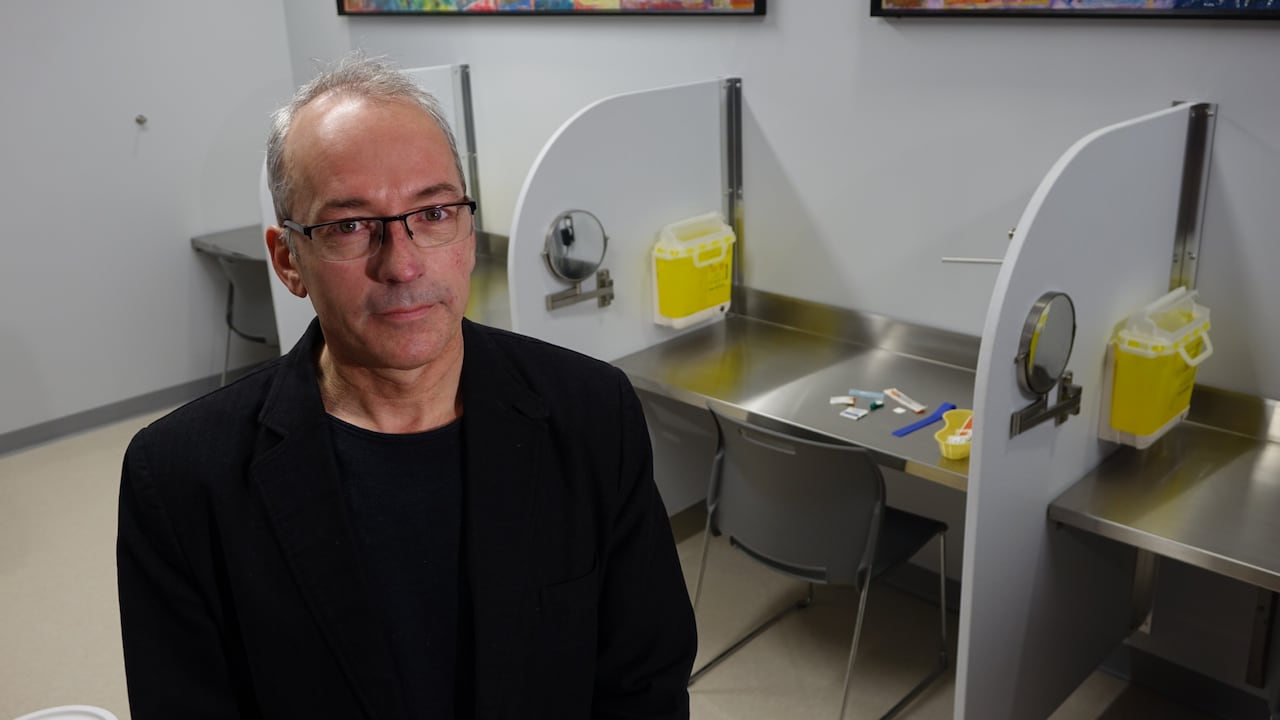 Rob Boyd, CEO of Ottawa Inner City Health, says the Ontario government’s decision to end funding for supervised consumption sites will lead to an increase in public drug use. (Giacomo Panico/CBC)
His organization runs Trailer 2.0, a supervised drug consumption site at the Shepherds of Good Hope, which Boyd says currently receives 600 to 1,000 visits from drug users weekly.
“All of that activity is now going to be displaced into the local community,” he said, pointing out that most of the people using the services are unhoused.
That view was echoed by Dean Dewar, director of consumption and treatment services at the Sandy Hill Community Health Centre.
“There will be an increase in clients in Centretown as well as additional drug use, open drug use in in the City of Ottawa,” he told CBC.
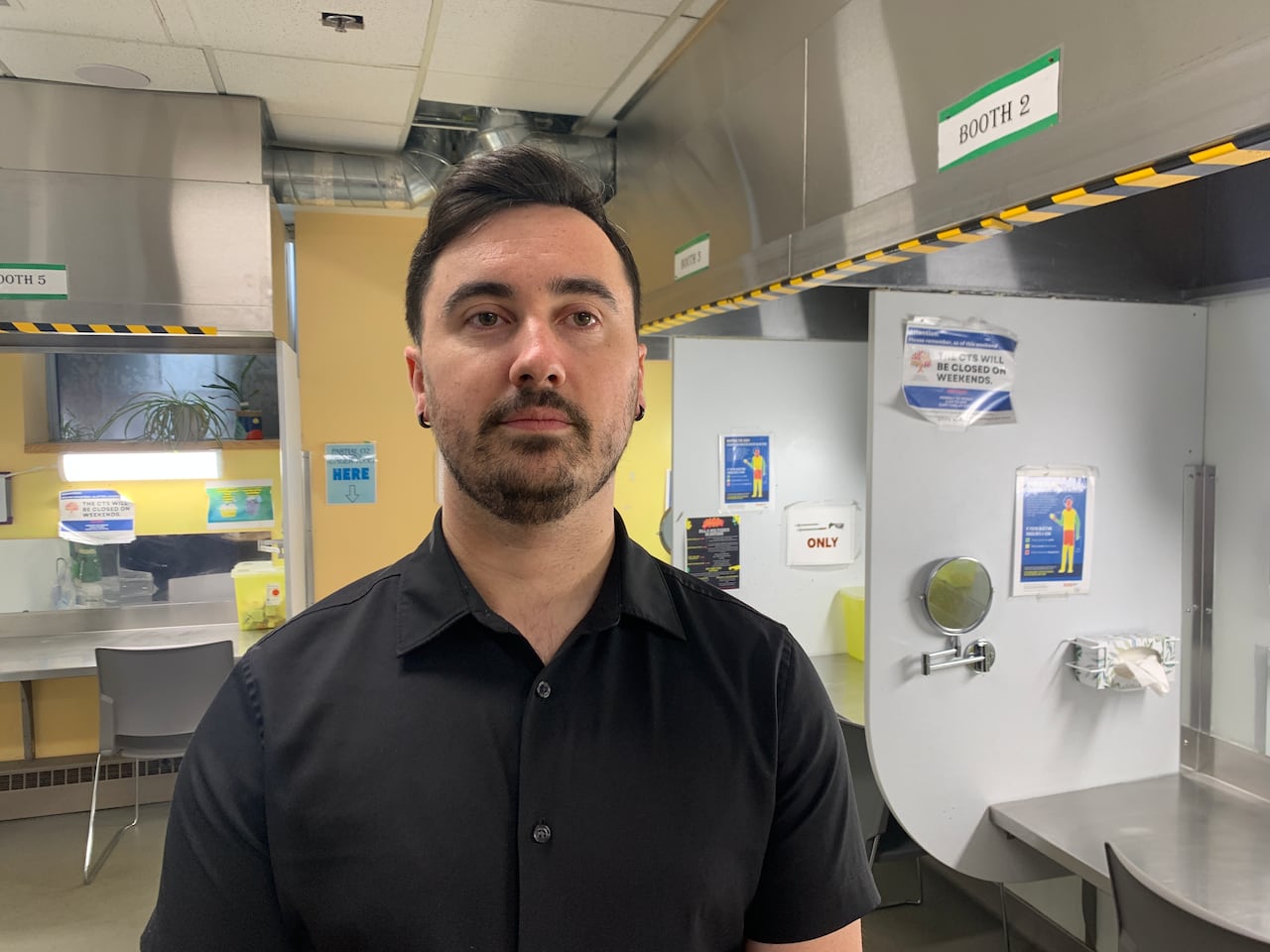 Dean Dewar, director of consumption and treatment services at the Sandy Hill Community Health Centre, said the province’s decision to end funding for safe consumption sites took him by surprise. (Nathan Fung/CBC)
The province said its new policy reflected public concerns over public safety associated with supervised consumption sites, and on Monday Premier Doug Ford reiterated his opposition to them.
“I don’t believe in sticking these injection sites in the middle of the community,” he said in a response to a question from CBC during a news conference in Brockville, Ont. “It’s like giving an alcoholic a card for the LCBO and saying, ‘OK, go in there and go to town.'”
Ford has long opposed supervised consumption sites as a model of harm reduction, passing legislation in 2024 prohibiting them from operating within 200 metres of schools and child-care centres. Instead, the province is now funding 28 HART hubs across Ontario.
“We’re putting an investment of over $550 million in HART hubs that are going to help people, get them proper shelter, get them the support they need, get them employment if they need,” Ford said. “It’s working.”
While Boyd welcomed the investment in HART hubs, he argued they couldn’t completely address all the issues leading to drug use, such as homelessness.
“There’s a mismatch in terms of what are the needs of a highly marginalized population who experience significant barriers to recovery, and what HART hubs are allowed to offer right now,” he said.
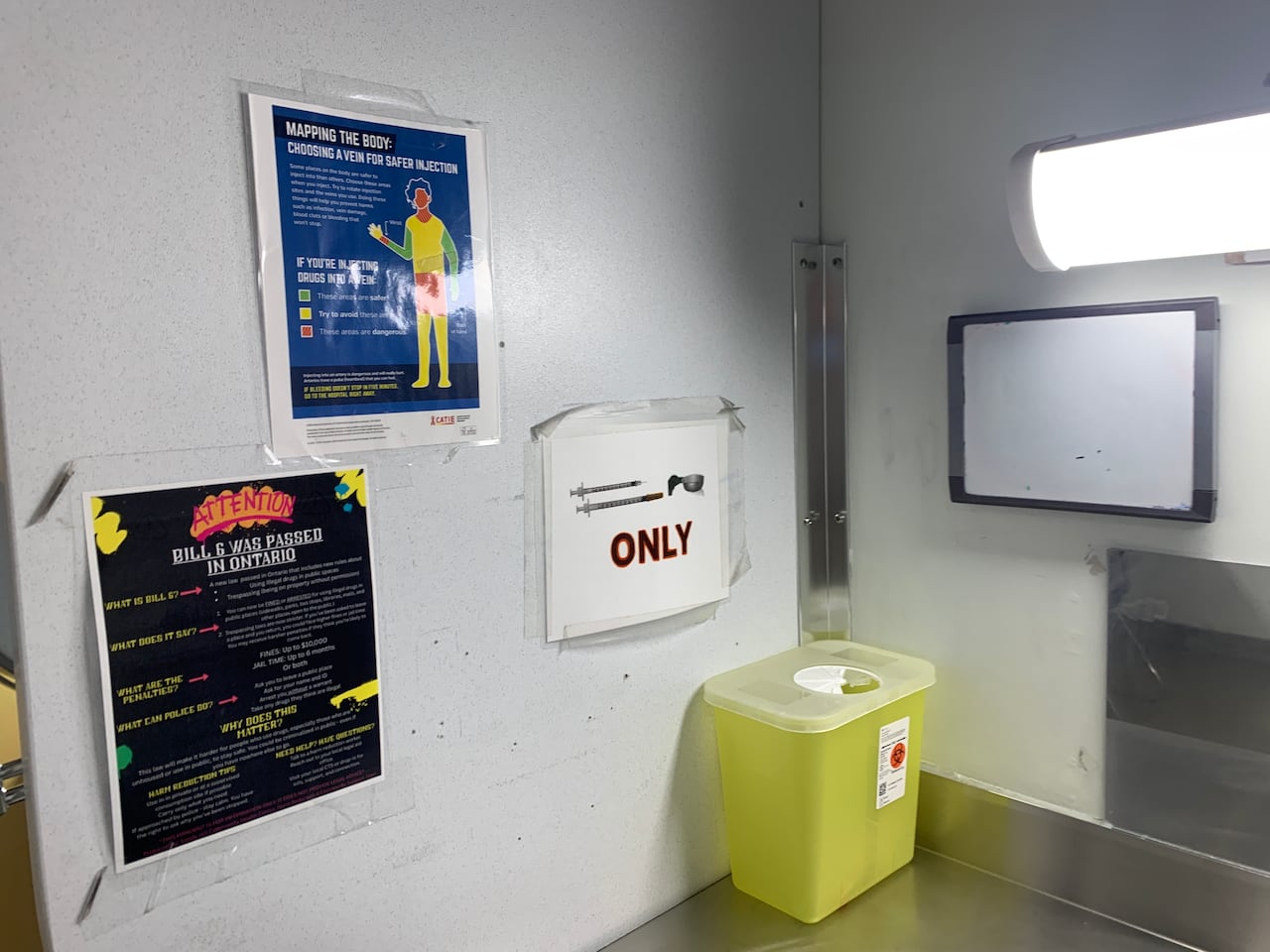 The Sandy Hill Community Health Centre will soon lose provincial funding for its supervised drug consumption site. (Nathan Fung/CBC)
With the province pulling approximately $2.9 million from Ottawa Inner City Health, Boyd said it’s unlikely that Trailer 2.0 can continue operating without a “significant investment” from elsewhere.
“We’re holding out space and hope that we can find an alternative ways of of securing funding,” he said.
The Sandy Hill Community Health Centre is also likely to close its supervised consumption site when provincial funding ends, Dewar said.
While the supervised consumption sites save lives, they have proved contentious within the wider community, Rideau Vanier Coun. Stéphanie Plante pointed out.
“There is no question whatsoever that they are an essential health-care service,” she told CBC.
“But I would be remiss if I didn’t say that there were issues with what was happening in the neighborhood with their presence,” she added, citing concerns with “public disorder” associated with drug use.
LISTEN | Plante’s interiew on Ottawa Morning:
Ottawa Morning9:42Two Ottawa supervised consumption sites set to lose funding
Rideau-Vanier Councillor Stephanie Plante talks about community reaction to the loss of service in her ward.