
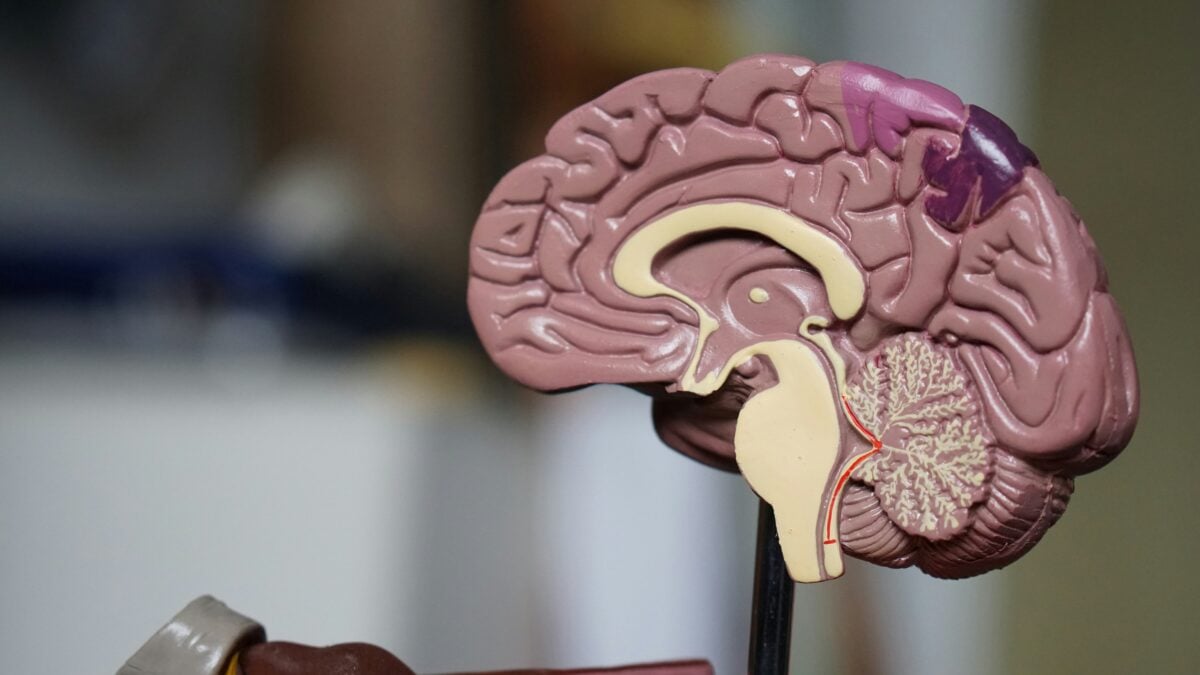
Brain disorders, neurological and mental health conditions, are on the rise, with a 65% spike in prevalence over the past three decades. Challenging health systems, the burden is expected to increase, however, awareness and therapeutic research are growing. Brain Awareness Week, which runs from March 16th to the 22nd, is a global campaign to encourage public awareness of the progress and benefits of brain research.
Various discoveries have driven neuroscience breakthroughs over the past decades. These have even changed the course of brain disease research and treatment, according to a report by American Brain Foundation.
Deep brain stimulation: a breakthrough in neuroscience
For instance, brain imaging technology has been pivotal to better understanding brain health. The invention of the electroencephalography (EEG) in 1929 was influential, as it offered scientists the ability to measure electrical activity in the brain. The 20th century also saw technologies like positron emission tomography (PET) and magnetic resonance imaging (fMRI) scans broaden diagnostic capabilities.
With the turn of the century came deep brain stimulation, a form of therapy in which electrodes are placed in the brain to help control disease symptoms. This was greenlit by the U.S. Food and Drug Administration (FDA) to treat Parkinson’s disease in 2002. This sparked research in its ability to treat other neurological disorders, such as Tourette syndrome and psychiatric conditions like depression.
The past couple of decades have been witness to hundreds of drug approvals by the FDA to treat brain disorders. Several stand out, like lecanemab, known by its brand name Leqembi, a monoclonal antibody that is designed to remove plaques of beta-amyloid – clumps of it in the brain signals Alzheimer’s disease – and given to patients twice a week, and donanemab, more popularly known as Kisunla, similar to Leqembi, but dosed monthly.
Even drugs that have long been in the picture have had compelling advancements of late. Like Levodopa, which was first approved by the FDA to treat Parkinson’s disease in 1970, emerging as the standard therapy. By crossing the blood-barrier barrier, it did something that dopamine couldn’t. The neurotransmitter functions as the brain’s reward center, regulating motivation, pleasure, mood, memory, attention, and motor control. When brain cells die, dopamine levels decline, affecting muscle movement and leading to Parkinson’s.
Replacing dopamine, or rather, by being a precursor to the neurotransmitter, which cannot pass through the blood-brain-barrier by itself, the drug was a breakthrough in Parkinson’s care, although concerns about the long-term usage of the drug has been brought up, with some research suggesting that levodopa toxicity could accelerate neurodegeneration.
Plastic waste recycled to create Parkinson’s drug Levodopa; could this cut costs?
Nevertheless, now, scientists have come up with a way to manufacture levodopa from plastic waste. By employing engineered E coli bacteria to break down plastic bottles, scientists at the University of Edinburgh managed to recycle them into levodopa. As many people who live with Parkinson’s disease – 11.8 million people as of 2025 – don’t have access to the gold standard treatment, particularly people in low- and middle-income countries, this could cut costs, potentially boost availability, and make the drug more affordable.
Needless to say, reusing plastic would be sustainable, considering many pharmaceuticals rely on fossil fuels, with 99% of pharmaceutical feedstocks and reagents derived from petrochemicals, according to a report published in the National Library of Medicine.
Besides new ways to manufacture already approved drugs, many new kinds of therapies are currently being tested in the clinic. Labiotech spoke to scientists developing various therapies to treat a broad range of disorders that affect the brain.
Alzheimer’s research: AstronauTx to target sleep
The team at AstronauTx is currently unrivaled in targeting sleep, slow wave sleep in particular, to address cognitive decline in dementia. Slow wave sleep is the deepest stage of non-REM sleep and is crucial for physical restoration, memory, and brain waste removal.
“As we age, our sleep becomes more fragmented, and we lose the ability to have protracted periods of slow wave sleep. This is the most restorative phase of sleep and is when declarative memories are consolidated and the brain clears toxic metabolites and proteins through a process called glymphatic flow. By improving sleep continuity, specifically slow wave sleep bout length we promote synapse formation and memory formation in preclinical models of diseases that recapitulate Alzheimer’s disease,” said Jane Rhodes, chief executive officer (CEO) of AstronauTx.
With sleeping continuity in mind, the London-based startup has designed two candidates: ATX‑01, which increases NREM sleep and has been found to improve synaptic plasticity and memory in Alzheimer’s models, and ATX‑02, which promotes the firing neurons that drive glymphatic flow. The glymphatic system is a brain-wide waste clearance pathway that uses cerebrospinal fluid (CSF) to wash away metabolic waste. The candidate showed that it could reduce amyloid burden in the brain, beneficial to slow down Alzheimer’s. Investigational new drug (IND) applications with the FDA are planned for this year and the next for ATX‑01 and ATX‑02, respectively, with hopes that ATX‑01 hits the clinic in 2027.
“These data indicate that improving slow wave sleep continuity will promote cognitive performance in people, particularly those who have diminished sleep quality like aging individuals with early signs of cognitive decline,” said Rhodes.
Emyria’s psychedelic treats PTSD and depression, study finds
As with neurodegeneration, problems with brain circuitry are also linked to psychiatric conditions such as depression and post-traumatic stress disorder. Around 332 million people in the world have depression and about 3.9% of the global population has had PTSD, according to the World Health Organization. Despite there being many antidepressants in the market, there are significant unmet medical needs, with many people being resistant to available treatments. As for PTSD, therapies are few and far between.
“The honest reality is that existing treatments for PTSD and depression fail a significant proportion of patients. Many people cycle through multiple medications and years of therapy without meaningful relief, and if you’re a ‘treatment-resistant’ patient, the options essentially run out. We need new approaches that don’t just manage symptoms, but help patients actually process and move past the experiences driving their illness,” Michael Winlo co-founder and executive director of Emyria, based in Australia.
To put things in perspective, in Australia, there’s been no new drug approved for PTSD in over 20 years, and the existing treatments are all anti-depressants. Setting out to change this is Emyria with its ‘MDMA-inspired’ psychedelic drug discovery program.
“The medicines can break cycles of rumination, which is the typical action of psilocybin for depression, and/or allow patients to access difficult memories without being overwhelmed by fear or shame, the typical action of MDMA. While both medicines may also encourage neuroplasticity – the growth of new neurons – importantly, they also open a window for deep therapeutic work, and the therapy is where the healing happen,” said Winlo. “In other words, the medicines make that therapy possible for people who couldn’t get there before.”
Moreover, Emyria has encouraging data to show for itself. Around 63% of the patients with PTSD who took the therapy no longer met the common diagnostic threshold for PTSD after 12 months. This was determined based on a self-report tool called PCL-5 that is used to assess PTSD symptoms.
“It’s important to remember, that these are patients for whom everything else had failed. What’s particularly interesting is that patients appear to continue improving after our treatment ends, which we believe reflects them reintegrating into their lives, repairing relationships, returning to work, rebuilding, etc. That sustained trajectory is very encouraging and, we believe, one of the reasons major private health insurers and government funders in Australia are starting to cover the cost of treatment,” said Winlo.
However, psychedelic use isn’t without controversy in the clinic. Ethical safety is a key battle that drugmakers like Emyria will have to take on, and according to Winlo, “safety is foundational” to how they’ve designed the program.
“The medicine is only ever administered with two therapists and a supervising psychiatrist present, we closely monitor the patient throughout the day, and they return for integration therapy the next day and at least three more times between dosing sessions. In our experience, when delivered within a rigorous clinical framework, this has been a very safe intervention,” said Winlo.
He added: “We’re in a position to keep refining protocols, contributing to the evidence base, and helping advance a field that holds real promise for people who have run out of options.”
FundaMental Pharma’s FMP374 to enter IND-enabling studies
Meanwhile, echoing Winlo’s thoughts on treatment resistance is Dirk Beher, CEO of the German neuroscience company FundaMental Pharma.
“The challenges include, among others, the patient heterogeneity and stratification, the complex patient journey involving numerous failures to respond to two or more antidepressant regimes, comorbidities, and the biology of drug targets and the pharmacology of drug candidates,” he said.
But unlike Winlo, he believes that there might be something better than psychedelics and conventional N-methyl-D-aspartate receptor (NMDAR)-targeting drugs such as ketamine out there.
FundaMental Pharma’s prized candidate is FMP374, an oral dual-acting NMDAR modulator that combines the disruption of the NMDAR/TRPM4 complex with NMDAR antagonism.
NMDAR antagonism involves blocking NMDARs. These are involved development of depression, and blocking them, aims to promote neuroplasticity and reverse synaptic deficits, which occurs when communication is impaired between neurons at the synapse – the junction between two neurons. Unlike traditional drugs, they act within hours.
“With respect to depression in general, this will be the only non-monoaminergic drug besides esketamine, working in a superior manner compared to all approved and currently developed drugs. Since the principal drug target, the NMDAR has been clinically validated, FundaMental Pharma expects a very high probability of success for this approach,” said Beher.
Also, unlike esketamine, a potent derivative of ketamine and known by its brand name Spravato, FMP374 is hoped to “provide instant relief without the side effects” like dissociation and sedation and ease the treatment burden that is associated with current standards of care.
“FundaMental Pharma aims to develop an at-home drug to be taken daily (or potentially less frequently) as an oral drug. It is reasonable to expect that such a drug could offer an additional treatment option for major depressive disorder (MDD) with rapid onset, as well as a more efficacious therapy for those with treatment-resistant depression,” said Beher.
Gearing up for IND-enabling studies, FundaMental’s FMP374 has demonstrated efficacy in models for depression and has been found to behave as a neuroplastogen. It also FMP374 shows no signs of dissociation-like behaviors or hyperactivity or motor-related concerns in preclinical models.
“Its novel dual-acting mechanism positions FMP374 as a transformative solution for those unresponsive to existing antidepressants,” said Beher.
Neuroscience breakthroughs: are treatments for genetic brain disorders on the way?
While treatment resistance is a key challenge, some conditions don’t even have approved drugs in the market to begin with. This is the case with rare genetic disorders like fragile X syndrome. It is linked to developmental delays, learning disabilities, social anxiety, hyperactivity, attention deficit disorders (ADD), and autism spectrum disorder.
Connecta Therapeutics is developing CTH120, a small molecule that has been created to address impaired neuroplasticity.
“By restoring the balance of neuroplasticity, CONNECTA Therapeutics’ asset, CTH120, normalizes synaptic function and optimizes neuronal connectivity, as well as the density and maturation of dendritic spines, which are critical for neuronal integrity and communication. Through its novel mechanism, we aim to deliver meaningful improvements in cognitive and behavioral outcomes for individuals affected by Fragile X Syndrome, moving beyond symptomatic treatment toward a potentially disease-modifying approach,” said Jordi Fàbrega, co-founder and CEO of the Spanish startup.
By switching on certain signaling pathways in the brain that are crucial for the proper function of nerves and their plasticity, it modulates a certain receptor, which then triggers a series of pathways associated with neuronal gene expression.
“[This] plays a central role in neuronal development, survival, and synaptic plasticity,” said Josep Prous, co-founder and chief scientific officer (CSO) at Connecta.
Currently in phase 2 trials, CTH120 has been found to normalize hyperactivity, stereotypic behaviors, activities of daily living, aggression, anxiety, sociability, as well as learning in preclinical studies. if successful in treating the symptoms of fragile X syndrome, Prous noted that it could possibly tackle other neurodevelopmental conditions characterized by altered neuroplasticity, including Rett syndrome, autism spectrum disorder, and Down syndrome.
Targeting neuroplasticity
“Neuroplasticity is affected in many genetic diseases of the central nervous system, as diverse genetic alterations disrupt common protein networks that regulate synaptic function and neuronal connectivity. Targeting neuroplasticity imbalance improves cognitive and behavioral functions across a wide range of genetic disorders, offering a potential disease-modifying therapeutic strategy,” said Prous.
The high prevalence and unmet medical need of brain disorders make neuroplasticity-targeted therapies a key area of interest for pharmas, Prous pointed. Clearly, neuroscience research has come a long way, but where it is headed, we will have to keep a close eye on as these different therapies move through the clinic.