

Listen to this article
Estimated 5 minutes
The audio version of this article is generated by AI-based technology. Mispronunciations can occur. We are working with our partners to continually review and improve the results.
The head of an Ottawa health centre that’s home to one of Ontario’s addiction recovery hubs is stressing the need for a variety of options for users — including the type of supervised consumption sites the province is phasing out.
“We’re hearing the province say they’re focused on recovery,” Suzanne Obiorah, the CEO of Somerset West Community Health Centre, told CBC’s Ottawa Morning on Wednesday. “And recovery looks different for everyone, which means we need a number of options to really address the full reality of substance use, of mental health needs, of poverty, of housing instability and of course safety.
“[People] move through the systems differently, which means that we need different entry points into the health-care system, into treatment, into housing, and then eventually into achieving any sort of stability.”
Obiorah’s comments come after the province notified seven supervised consumption sites, including two in Ottawa, on Friday that the government’s funding will end in 90 days and that those sites need to submit their plans “to wind down.”
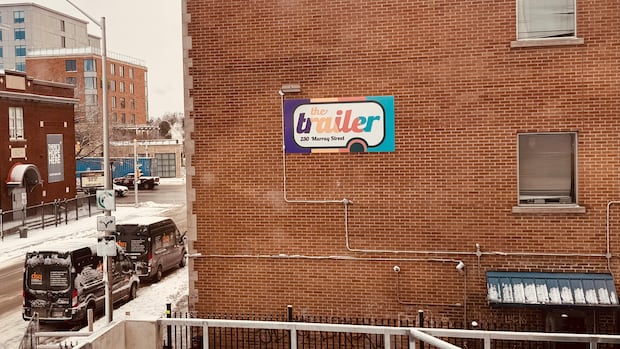
The two affected Ottawa sites — one at Sandy Hill Community Health Centre, the other operated by Ottawa Inner City Health under the name The Trailer 2.0 at the Shepherds of Good Hope — are the last in the city to offer supervised drug consumption.
They have asked the province to reverse its decision, warning that closures will lead to an increase in preventable overdoses and put a greater strain on other health services.
Somerset West Community Health Centre — which Obiorah oversees — is one of several Ontario operations that were ordered by the province last year to fold their supervised consumption sites. They then transitioned to new Homelessness and Addiction Recovery Treatment (HART) Hubs.
Both models offer some similar services, including connecting people to housing and health-care programs. But HART Hubs do not facilitate supervised drug consumption nor provide needle exchange programs.
Health Minister Sylvia Jones has said HART hubs will allow more people to choose treatment instead of “enabling drug use.”
Obiorah says HART Hubs have potential, “but the issues surrounding substance use and homelessness are so varied and so interconnected that it’s really hard to suggest or pinpoint that any one single intervention is going to address these realities.”
LISTEN | Ottawa Morning’s full interview with Obiorah:
Ottawa Morning10:41Ottawa could be without supervised drug consumption sites in the next 90 days
Executive Director of the Somerset West Community Health Centre, Suzanne Obiorah, comments on another loss of these services in the city.’The reality is we have removed an option’
Since shifting to the HART Hub model, Somerset West Community Health Centre has continued to refer some clients to the supervised consumption services at Sandy Hill and The Trailer, Obiorah said.
That’s a considerable distance to travel, so some people have “leaned on” the centre to get to the sites, though others “have not,” she said.
“That goes back to my prior point around people needing multiple options and different doors into accessing the supports that they need to feel safe and to gain the health-care supports that they need,” Obiorah said.
 Suzanne Obiorah is the CEO of Somerset West Community Health Centre, which is home to one of the province’s Homelessness and Addiction Recovery Treatment (HART) Hubs. (Jean Delisle/CBC)
Asked if her centre will have to take on more clients if the supervised consumption sites close, Obiorah replied that if one part of the system changes, others will “need to compensate.”
“The reality is we have removed an option available to support individuals who are living with substance use challenges and we are going to collectively need to continue in coordinating access to our services, including the HART Hub, in an effort to fill this gap,” she said.
‘People will die’
In a news release issued Monday, the provincial government said its notice to the remaining supervised consumption sites is a response to “local concerns over public safety associated with these sites.”
Rideau-Vanier Coun. Stéphanie Plante has told CBC that while the sites provide “essential” health-care service, they have triggered concerns about public disorder associated with drug use.
Ian Clarke, a regular user of the supervised consumption site at Sandy Hill Community Health Centre, said that if the site closes, drug use will move to the streets, parks and malls where overdoses can’t be responded to.
“People will die,” he said, adding that he probably would have overdosed himself without access to the site.
 Ian Clarke says he might have overdosed if not for the services he’s received from the supervised drug consumption site at Sandy Hill Community Health Centre. (CBC)
“Closures like this increase stigmatization for people who use drugs,” Cornerstone Housing for Women said in a statement on Wednesday.
Obiorah said discussion of community safety needs to encompass vulnerable drug users, and that it will be important to monitor the impact of the change.
“We’re really going to need to think about a safe transition plan for a segment of the population who will now have [fewer] options available to them to support their lived realities,” she said.