
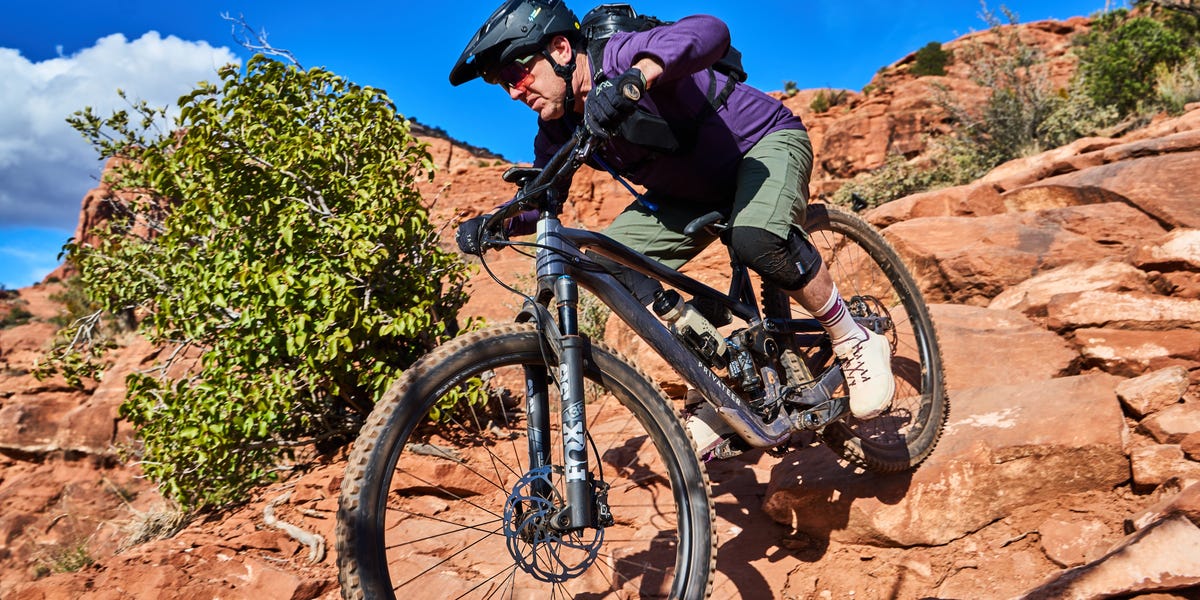
 3 min read
As a cycling tech editor, my world is all about learning and experiencing the latest ideas and products. It is a fun and invigorating job, and I’m always filled with wonder by the creativity and cleverness of cycling geeks around the world as they surprise us with products intended to make bike riding a bit better. Sometimes, though, the marginal gains offered by a product feel so small that they cross into overhyped. Ideas and products that don’t seem to pay off in substantial ways, at least for amateur riders like me on real roads and trails.
While I know these technologies work for some riders, I’ve been disappointed by the payoff when I’ve ridden them. Few things are more frustrating than investing a ton of money into something, only to go for a ride and feel no meaningful difference. This past year, I tested one product that’s received a lot of hype but didn’t seem to offer any meaningful benefit to me on a ride.
That product is an anti-kickback device for mountain bike drivetrains.
For the uninitiated, anti-kickback devices claim to address two things.
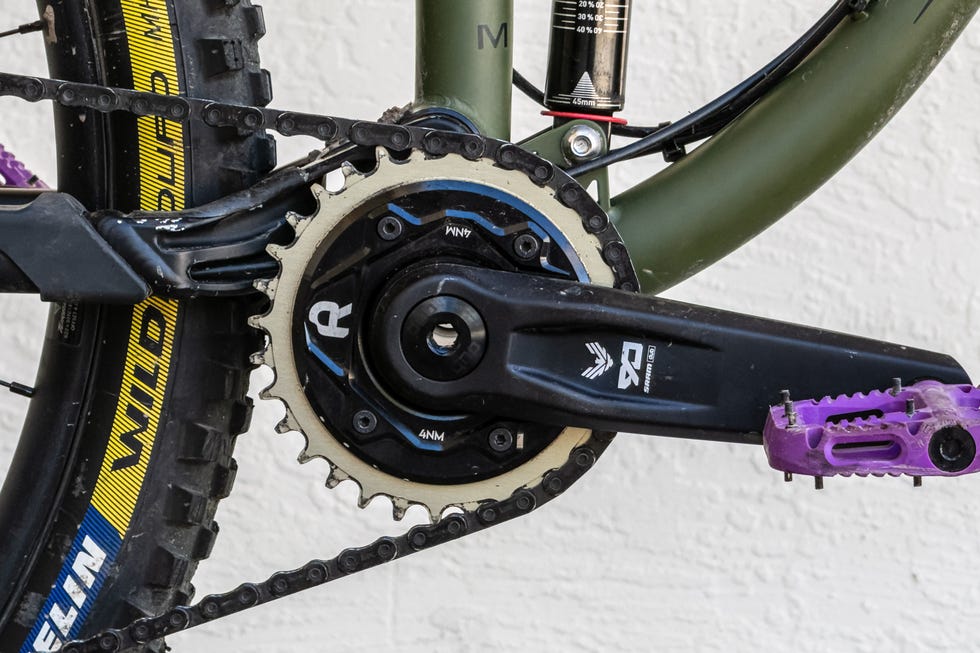
First: When a rear suspension system compresses, the distance between the bottom bracket and rear axle increases (often referred to as chain growth). This causes the tensioned top run of the chain to try to rotate the cranks backward, pushing against the pedals and the rider’s feet. It can also impart additional force on the rear suspension that, in some situations, may inhibit its ability to react freely to bumps. This is called kickback.
Matt Phillips
Second: Bumps cause the chain, which has enough mass and speed, to bounce and slap against the frame. This creates noise and vibration that can often be felt by the rider.
There’s an ongoing debate about how much these effects actually occur and how much they influence suspension performance, speed, and control. But let’s set that aside.
Anti-kickback devices aim to reduce feedback by allowing the drivetrain to float (or limiting chain ocillation) without pulling on the cranks. The claimed benefits are a smoother, quieter ride and, at best, improved suspension performance leading to better speed and control.
Examples include the Ochain active spider (the brand was recently acquired by SRAM), e*thirteen’s Sidekick rear hub, Rimpact’s Chain Damper, and DT Swiss’s Degrees of Freedom internals for its DEG hubs. In my opinion, the DT Swiss system is the most elegant—simple and seemingly free of many drawbacks — though it only works with DEG hubs.
I’ve been skeptical of the claims behind these devices, but proponents consistently say, “Just try one and you’ll find out for yourself.” So that’s what I did.
I didn’t request a media sample. I bought a Rimpact Chain Damper ($252), ran it on two of my personal bikes — a Yeti SB140 and a Chromag Darco — and rode my usual trails.
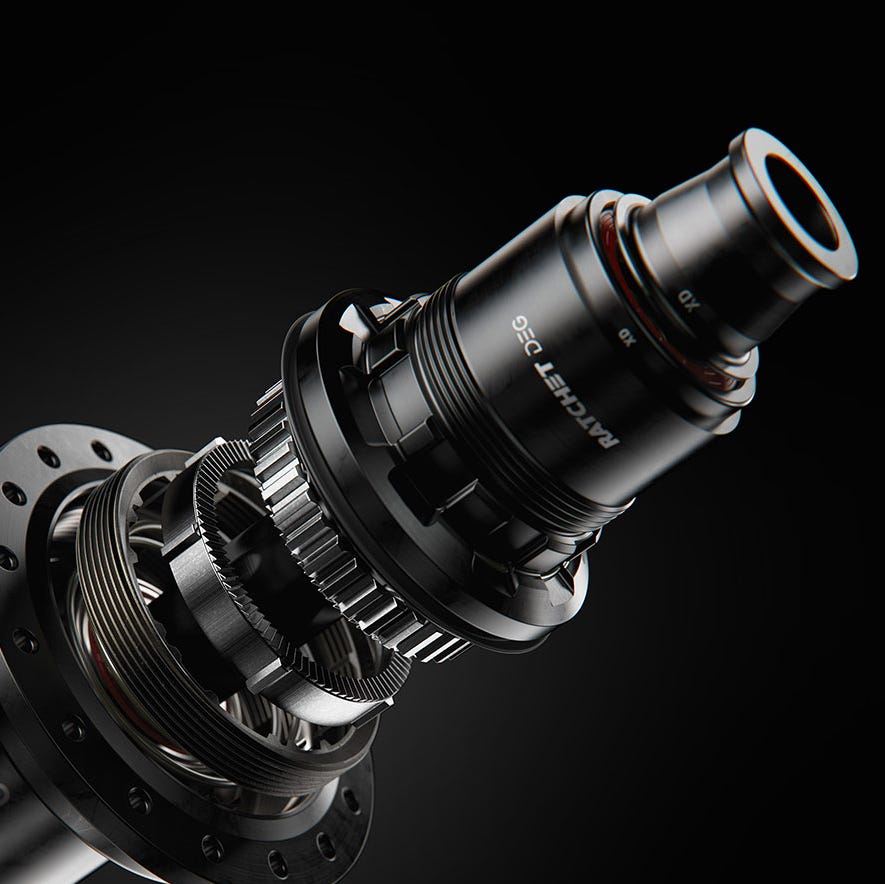
DT’s Degrees of Freedom is the most elegantly executed anti-kickback system.
My takeaway: Meh.
I rode the bikes with the damper installed, then removed it and repeated the same trails, and my impressions didn’t change.
Perhaps the bikes were a little quieter, and maybe there was slightly less feedback making its way through the frame to my hands and feet. If so, it was subtle enough to be difficult to isolate.
I did not feel any significant change in suspension performance or grip. Nothing that altered how I rode, and no Strava PRs.
There are several possible considerations I want to acknowledge. Maybe the Rimpact Chain Damper I tested isn’t as effective as the other systems. Maybe the devices work better on bikes other than the ones I tested. Maybe the benefit is more noticeable on different terrain than what I sampled. Maybe my trails, even with lots of embedded square-edged rocks, aren’t the best to showcase the devices’ advantages. Maybe I’m not sensitive enough, or perhaps I’m not fast or aggressive enough.
Product testing in the field is a complex and imperfect process.
I’ve read reports from other riders and editors that sing the devices’ praises. So they have convinced some riders. And I’m not here to say the devices are a hoax or that they don’t provide benefits to at least some riders.
All I can say is I tried one, and I didn’t notice any game-changing magic from an expensive, heavily-hyped thingy.
Member Exclusive: Check Out Our Top Cycling Stories


A gear editor for his entire career, Matt’s journey to becoming a leading cycling tech journalist started in 1995, and he’s been at it ever since; likely riding more cycling equipment than anyone on the planet along the way. Previous to his time with Bicycling, Matt worked in bike shops as a service manager, mechanic, and sales person. Based in Durango, Colorado, he enjoys riding and testing any and all kinds of bikes, so you’re just as likely to see him on a road bike dressed in Lycra at a Tuesday night worlds ride as you are to find him dressed in a full face helmet and pads riding a bike park on an enduro bike. He doesn’t race often, but he’s game for anything; having entered road races, criteriums, trials competitions, dual slalom, downhill races, enduros, stage races, short track, time trials, and gran fondos. Next up on his to-do list: a multi day bikepacking trip, and an e-bike race.