
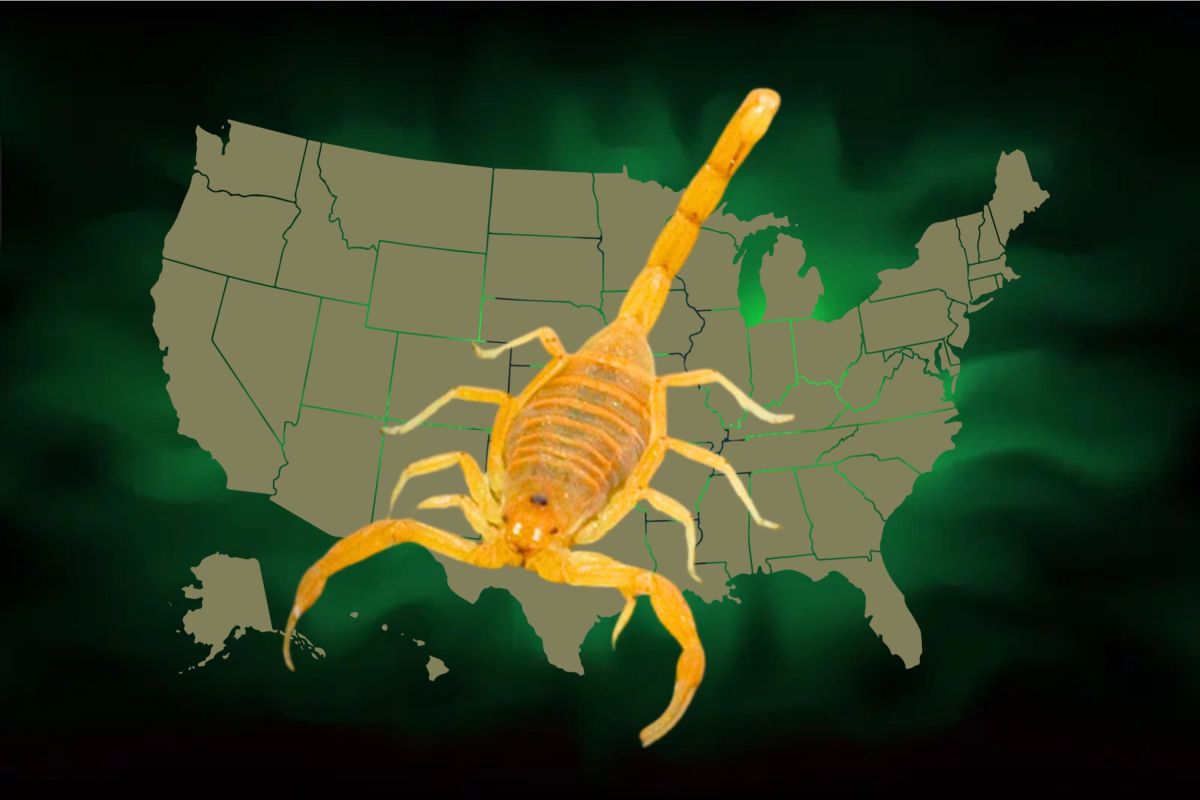
An early-season heat wave in the U.S. Southwest is prompting increased activity from scorpions and rattlesnakes, experts say.
The “anomalously early and record-breaking heatwave” is expected to continue to intensify across the western U.S., expanding east into the Great Plains this week, according to the Weather Prediction Center (WPC).
Heat is expected to intensify over the coming days, with highs soaring into the 80s and 90s from California eastward through the Great Basin, Rockies, and Plains, and triple‑digit temperatures developing in Southern California and the Desert Southwest.
Widespread daily and monthly March records are likely, and several Desert Southwest communities are forecast to experience their earliest 100‑degree day on record, the WPC said.
“With the warmer weather, venomous species like rattlesnakes, scorpions, spiders, centipedes and lizards are more commonly seen as they search for food, shelter and mates,” the Banner Poison & Drug Information Center in Phoenix, Arizona said in a Thursday release.
The center said that it has already handled 10 reported rattlesnake-bite cases and 237 scorpion stings in 2026. It saw almost 2,300 scorpion stings and over 100 rattlesnake bites in 2025—meaning 2026 is already at roughly 8-10 percent of last year’s totals.
Arizona scorpion season’s peak months are usually from April to October, according to local business ACTION Termite and Pest Control.
“Children face a greater risk of severe effects, so it’s crucial to contact the Poison Center immediately if someone is bitten or stung,” said director Maureen Roland. “We encourage parents to educate their children early about the dangers of rattlesnakes and scorpions and teach them to stay away and never attempt to touch.”
Russ Johnson, with the Phoenix Herpetological Society, told FOX 10 Phoenix that calls have already started coming in as the heat has pushed the animals out much earlier than usual, with snake bites running at about double last year’s pace and scorpion stings also increasing.
“No calendar—everything is temperature-driven,” Johnson said.
The Arizona Game & Fish Department had already warned that unseasonably warm weather arriving in the state could coincide with an increased risk for rattlesnake encounters.
“Rattlesnakes are most active from March through October in desert areas, but they may appear earlier in the year as warming temperatures bring them out of winter hibernation,” it said.
According to the agency, the state is home to 13 rattlesnake species, more than anywhere else in the U.S. It also has over 56 species of scorpions, as per the Arizona Department of Health Services.
Among the most encountered snake species are the Western diamondback, sidewinder, Mojave, and black-tailed rattlesnakes, the Arizona Game & Fish Department says.
The Centers for Disease Control and Prevention (CDC) says that about 7,000–8,000 people are bitten by venomous snakes in the U.S. each year, with roughly five deaths annually.
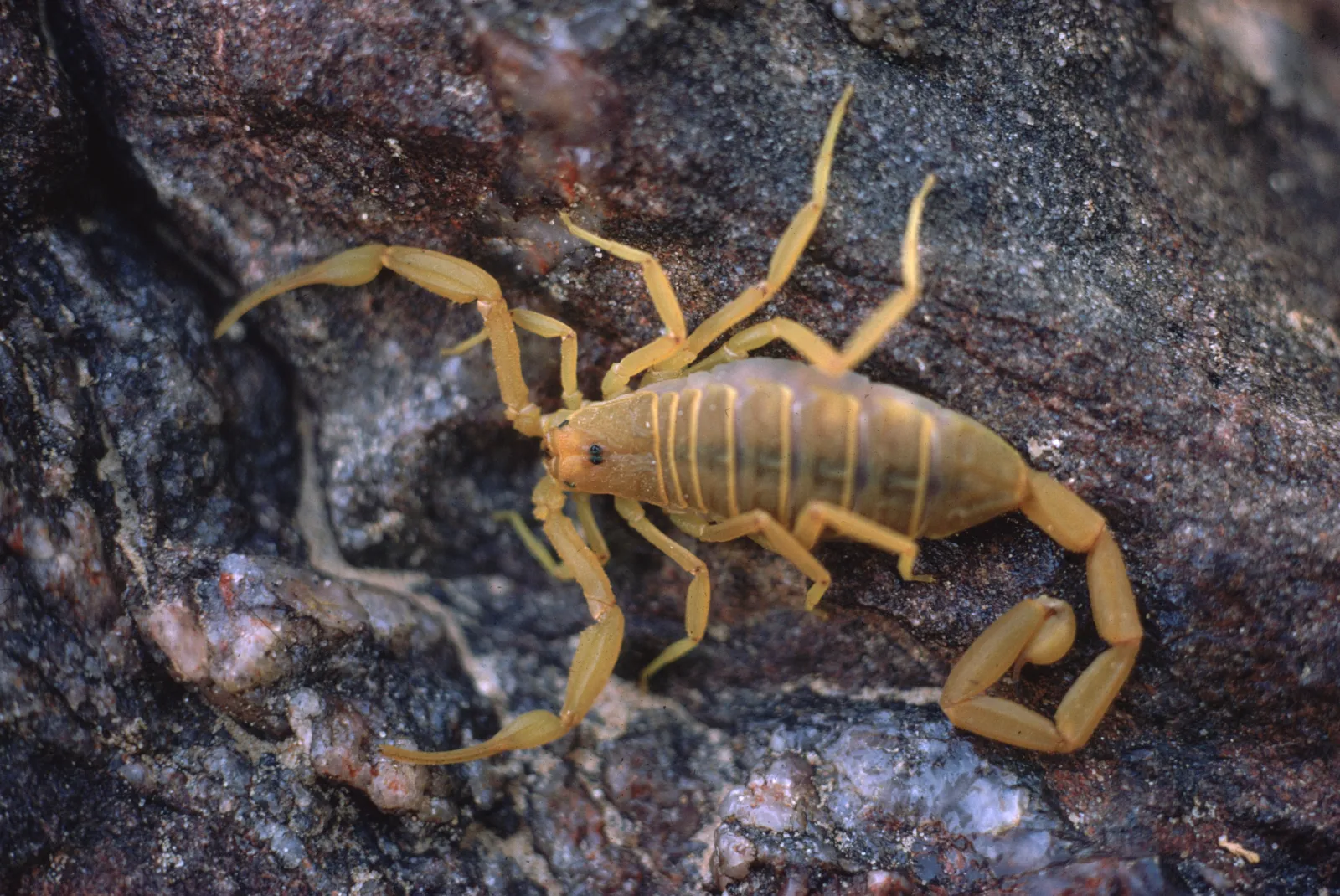
In Arizona, the Banner Poison & Drug Information Center recorded more than 3,300 scorpion stings in Maricopa County alone in 2024.
According to a 2017 study, Phoenix and Tucson recorded the highest rates of scorpion exposure from 2010 to 2015, while other hotspots included El Paso, Texas; Oklahoma City and Tulsa, Oklahoma; and Las Vegas, Nevada.