
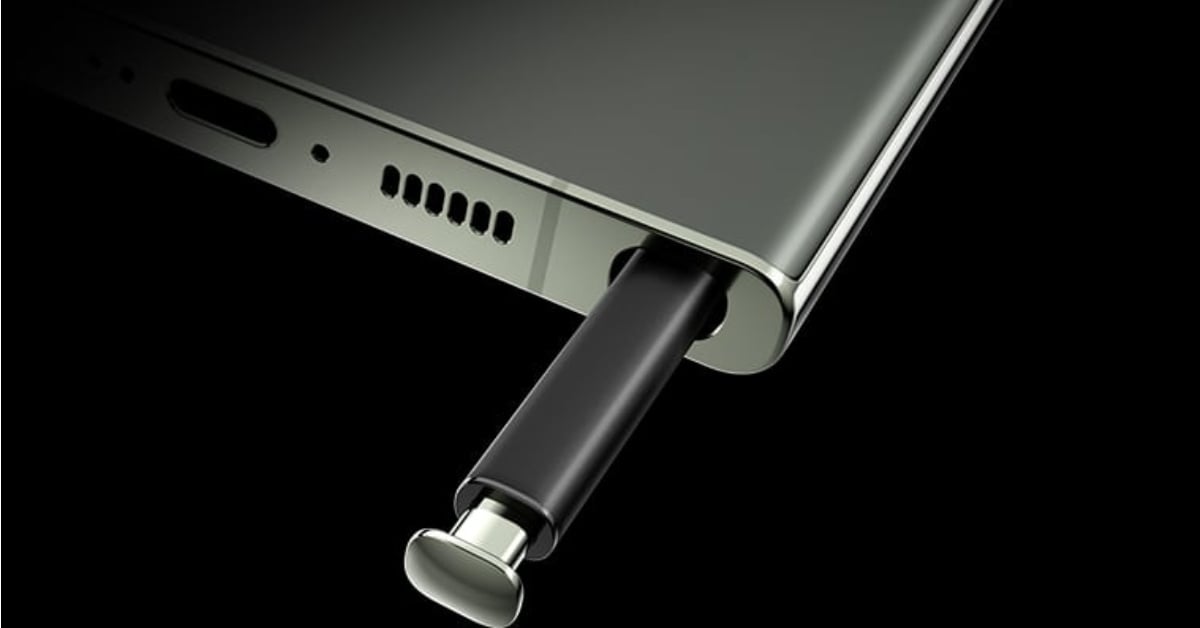
Samsung’s S Pen has long been synonymous with its flagship Galaxy Note series, and now the Ultra line of the Galaxy S series. For over a decade, it has been a defining feature, beloved by power users for its precision, versatility, and productivity features.
But recent changes, from the removal of Bluetooth functionality to the complete absence of stylus support on foldables, have raised concerns about the future of the S Pen.
Is Samsung quietly phasing out its iconic stylus, or is it simply rethinking how it integrates the technology?
1. Quiet Downgrades
Samsung began scaling back the S Pen with the Galaxy S25 Ultra. The company removed the Bluetooth LE module from the stylus, which eliminated its Air Actions functionality. Features like remote camera shutter, media playback controls, and gesture-based navigation all disappeared.
These capabilities turned the S Pen into more than just a writing tool. Their removal frustrated many fans, with online communities still voicing their disappointment.
The Galaxy S26 Ultra did not restore these features or introduce major upgrades. The S Pen now works as a basic capacitive input tool for writing and drawing. Samsung’s foldable phones have also moved away from S Pen support.
The Galaxy Z Fold 7, which some expected to embrace the stylus, shipped without compatibility. Samsung’s decision to prioritize thinness and lightness over the stylus further fueled speculation that the S Pen is being phased out.
2. Design Compromises
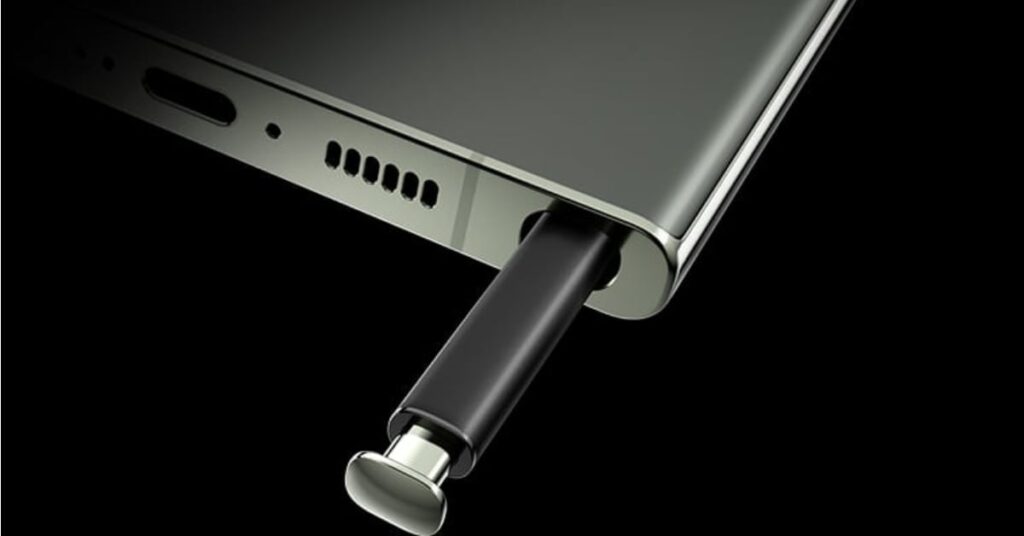
Samsung redesigned the S Pen to fit its increasingly slim phones. The stylus on the Galaxy S26 Ultra is thinner than its predecessor. It now measures 5.0 x 4.15mm, down from 5.8 x 4.35mm on the Galaxy S25 Ultra. Samsung also modified the clicker button to fit the phone’s curved frame, restricting the stylus to be inserted in just one orientation.
Then there’s another issue. The company has warned users about potential issues with Qi2 magnetic charging cases. These cases, while useful for wireless charging, may interfere with the S Pen’s functionality. If any interference occurs, users will receive a pop-up notification on their screen. These design compromises show the challenges of integrating the stylus into thinner and lighter devices.
3. Samsung’s Vision for the S Pen
Samsung has addressed the growing concerns about the S Pen’s future. Won-Joon Choi, COO of Samsung’s Mobile Experience Business, stated in a recent interview that the S Pen remains a core technology for the company.
Choi revealed that Samsung is working on more advanced technology within S Pen. He explained that this would involve structural changes to the display to eliminate the trade-offs associated with including the stylus.
Choi did not provide technical details. However, the term new structure of display suggests significant innovations could be coming. Samsung may be exploring thinner digitizer layers, alternative input methods, or better integration with Qi2 charging technology.
These changes could reduce the space taken up by the S Pen, improve compatibility with accessories, and preserve battery capacity.
4. What These Changes Mean for the S Pen
We really don’t know at the moment what the future holds for the S Pen. Based on recent statements, it seems Samsung might be working on an advanced version of the stylus. However, if those efforts don’t pan out, there’s a chance the company could remove the S Pen entirely in the future.
Samsung has been heavily focused on AI technologies, and AI-powered tools and voice assistants are becoming increasingly popular. As more people shift toward interacting with devices through voice, writing might not be as essential as it feels today. This shift could influence Samsung’s priorities and the role of the S Pen in its product lineup.
For more daily updates, please visit our News Section.
Stay ahead in tech! Join our Telegram community and sign up for our daily newsletter of top stories! 💡