

Listen to this article
Estimated 4 minutes
The audio version of this article is generated by AI-based technology. Mispronunciations can occur. We are working with our partners to continually review and improve the results.
The Canadian Radio-television and Telecommunications Commission (CRTC) is calling for applications for Indigenous-led FM radio stations in Ottawa and Toronto.
Stations dedicated to Indigenous communities have been absent from both markets since First People’s Radio Incorporated ceased operations in September. In both cities, the company broadcasted locally under the banner ELMNT FM for seven years.
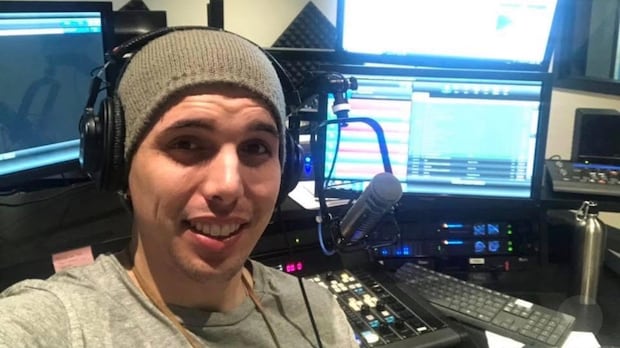
“We had a voice for Indigenous folks to be heard and also welcoming non-Indigenous people into the circle,” said Cody Coyote, one of the station’s hosts during the entirety of its existence.
“Like come and learn about us, come and hear about our stories, come hear the languages … Come hear the music.”
Coyote, who is a member of the Matachewan First Nation, says the station was the only one in Ottawa that played at least 35 per cent Indigenous music in its regular rotation.
In the CRTC’s Feb. 18 announcement, the commission shared its view that only one Indigenous station should be issued in Ottawa and Toronto.
It says issuing more than one license could “result in sub-dividing each market, making those stations unsustainable.”
Fostering community in urban spaces
When First People’s Radio was granted radio stations in Toronto and Ottawa in 2017, they announced their aim to broadcast Indigenous music, current affairs, local and national news and local Indigenous voices.
In many ways, the station did just that by hosting Indigenous-languages hours and prioritizing and highlighting Indigenous events, Coyote said.
“We used to go over to Mādahòkì Farm quite a bit — anything that they had going on, from their powwows to their summer solstice festival,” Coyote said.
Urban Indigenous radio can serve as a way for Indigenous people to feel connected to their communities and cultures, even when they are far from home, said Mike Buckshot, one of the hosts of CKWE in Kitigan Zibi Anishinābeg.
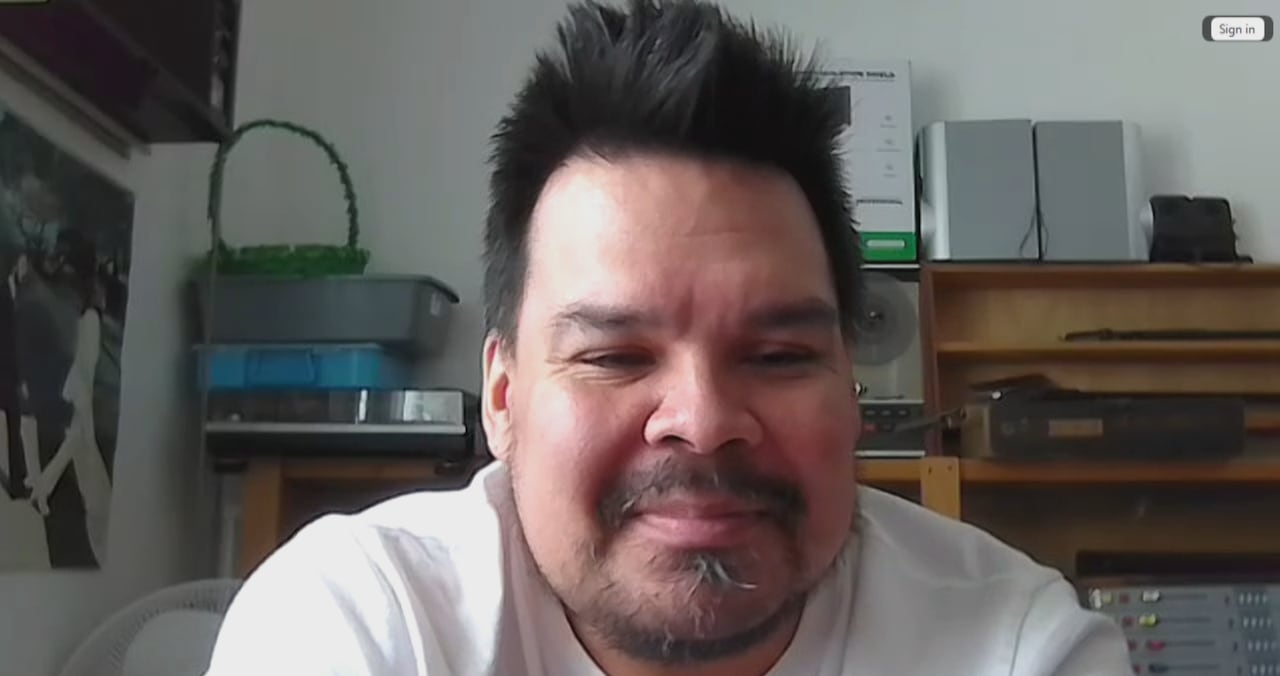 Mike “The Bluesman” Buckshot is one of the hosts of the CKWE radio station in Kitigan Zibi Anishinābeg. (CBC)
Seeing and hearing Indigenous representation on-air can also go a long way in inspiring Indigenous youth to pursue careers in mainstream media. Both Coyote and Buckshot say that representation wasn’t always present in their own childhoods.
“If a young Indigenous man or woman who wants to be on the radio and they see or hear me, that will probably give them hope. They’ll probably say, ‘Hey, that guy’s on the radio. He’s First Nations. If he could do it, I could do it,’ ” Buckshot said.
A need for authenticity going forward
Since ELMNT FM first took to the airwaves, many local radio stations have begun giving land acknowledgements in their broadcasts, said Coyote. But without playing Indigenous music or raising Indigenous issues, these acknowledgements don’t always feel authentic, he said.
“Talk about whose territory you reside on and how that territory is being actively occupied, and what your responsibilities are,” Coyote said.
In a statement to CBC, the CRTC said there continues to be a demand for a radio station that serves the needs and interests of Indigenous communities in Ottawa and Toronto.
The CRTC said it was unable to comment on the application process, as it is still underway. Applications will continue to be accepted until June 18, 2026.
Coyote said he hasn’t heard about any Indigenous-led organizations submitting applications yet. But he said when an Indigenous radio station does finally go to air, he strongly encourages people throughout the city to support and encourage its success.
“When you have things that are Indigenous-led and you have community that’s involved and their voices are prioritized, it’s a recipe for greatness at the end of the day.”